Embarking on a journey to cultivate a lasting mindfulness habit is an endeavor rich with potential for profound personal growth. This exploration delves into the foundational principles that foster enduring practice, examining the psychological rewards that encourage consistent engagement. We will also navigate the common hurdles individuals encounter and highlight the vital role of self-compassion in overcoming them.
Understanding the essence of mindfulness and its integration into the fabric of our daily lives is key to its sustained practice. This guide offers practical strategies, from weaving brief moments of awareness into busy schedules to mindful approaches to eating and movement, and even transforming routine chores into opportunities for presence.
Understanding the Foundations of a Lasting Mindfulness Practice
Cultivating a mindfulness habit that endures requires a deep understanding of its fundamental principles and the psychological mechanisms that support its integration into daily life. It’s not merely about performing a set of exercises, but about fostering a particular way of being that naturally sustains itself over time. This section will delve into the core tenets that make mindfulness effective long-term, explore the psychological benefits that encourage consistent engagement, and address the common hurdles encountered on this path, highlighting the crucial role of self-compassion in navigating these challenges.The enduring power of mindfulness lies in its ability to shift our relationship with our thoughts, emotions, and bodily sensations.
Rather than striving for a constant state of bliss or an absence of difficulty, mindfulness cultivates a non-judgmental awareness of whatever arises in the present moment. This acceptance, rather than resistance, is the bedrock upon which a sustainable practice is built.
Core Principles of Effective Mindfulness
The long-term effectiveness of mindfulness is anchored in several key principles that guide practitioners towards deeper integration and sustained engagement. These principles are not isolated concepts but interconnected elements that reinforce each other, creating a robust framework for a lasting practice.
- Present Moment Awareness: This is the cornerstone of mindfulness. It involves intentionally bringing one’s attention to the here and now, without judgment. This means observing thoughts, feelings, bodily sensations, and the surrounding environment as they are, rather than getting lost in past regrets or future anxieties.
- Non-Judgment: A critical aspect is the cultivation of an attitude of acceptance towards one’s experiences. This involves observing thoughts and emotions without labeling them as “good” or “bad,” “right” or “wrong.” This reduces the internal struggle and resistance that often leads to disengagement.
- Acceptance: This principle is closely linked to non-judgment. It means acknowledging and allowing experiences to be as they are, even if they are unpleasant or uncomfortable. This does not imply resignation, but rather a recognition of reality as it is, which can be a powerful catalyst for change.
- Beginner’s Mind: Approaching each moment with a sense of openness, curiosity, and eagerness, as if experiencing it for the first time. This helps to break free from preconceived notions and habitual patterns of perception, allowing for fresh insights and deeper engagement.
- Letting Go: This involves the ability to release attachments to thoughts, feelings, or outcomes. It’s about understanding that experiences are impermanent and not holding onto them rigidly, which frees up mental energy and reduces suffering.
Psychological Benefits Reinforcing Mindfulness Engagement
The sustained practice of mindfulness is significantly reinforced by a range of psychological benefits that individuals experience. These positive outcomes serve as powerful motivators, encouraging continued engagement and making the habit feel rewarding rather than burdensome.The consistent application of mindfulness techniques has been linked to profound improvements in mental and emotional well-being. These benefits are not merely fleeting sensations but often represent deep-seated shifts in psychological functioning.
- Stress Reduction: Mindfulness is highly effective in mitigating the physiological and psychological effects of stress. By training the mind to focus on the present, individuals can interrupt the cycle of rumination and worry, leading to lower levels of cortisol and a greater sense of calm. Studies, such as those published in journals like
-Psychological Science*, have demonstrated significant reductions in perceived stress and anxiety among regular mindfulness practitioners. - Improved Emotional Regulation: A key benefit is the enhanced ability to manage emotions. Mindfulness cultivates an awareness of emotional states as they arise, allowing individuals to respond to them with greater skill rather than react impulsively. This can lead to fewer outbursts, less emotional reactivity, and a more balanced emotional landscape. Research has shown that mindfulness training can increase activity in the prefrontal cortex, an area associated with emotional control.
- Enhanced Focus and Attention: Regular mindfulness practice strengthens attentional networks in the brain. This translates to improved concentration, better task performance, and a reduced susceptibility to distractions. Studies utilizing fMRI scans have indicated structural and functional changes in brain regions associated with attention and self-awareness in individuals who practice mindfulness regularly.
- Increased Self-Awareness: Mindfulness fosters a deeper understanding of one’s own thoughts, feelings, and behavioral patterns. This heightened self-awareness is crucial for personal growth, enabling individuals to identify unhelpful habits and make conscious choices that align with their values.
- Greater Resilience: By developing a more accepting and non-judgmental stance towards challenges, individuals become more resilient in the face of adversity. They are better equipped to bounce back from setbacks and navigate difficult life circumstances with a greater sense of equanimity.
Common Obstacles to Sustained Mindfulness Practice
Despite the profound benefits, many individuals encounter significant obstacles when attempting to establish and maintain a regular mindfulness practice. Understanding these common challenges is the first step towards developing strategies to overcome them and ensure the longevity of the habit.The path to sustained mindfulness is rarely linear, and encountering difficulties is a normal part of the process. Recognizing these hurdles allows for a more realistic and compassionate approach to practice.
- Lack of Time: In today’s fast-paced world, the perception of not having enough time is a pervasive barrier. Individuals may feel that fitting in mindfulness practice is an additional burden rather than an integrated part of their day.
- Inconsistency and Boredom: Initial enthusiasm can wane, leading to inconsistent practice. The repetitive nature of some mindfulness exercises can also lead to feelings of boredom or a sense that progress is not being made, causing individuals to disengage.
- Unrealistic Expectations: Some individuals begin mindfulness with the expectation of immediate or dramatic results, such as constant peace or the eradication of all negative thoughts. When these expectations are not met, disappointment can set in, leading to discouragement.
- Difficulty Quieting the Mind: A common misconception is that mindfulness is about emptying the mind. When individuals find their minds constantly active, they may feel they are “failing” at mindfulness, leading to frustration.
- External Stressors and Life Events: Significant life events, such as job loss, illness, or relationship difficulties, can overwhelm individuals and make it challenging to prioritize or engage in mindful practices.
- Lack of Support or Guidance: Practicing in isolation without a supportive community or clear guidance can make it harder to stay motivated and navigate challenges effectively.
The Role of Self-Compassion in Overcoming Challenges
Self-compassion is an indispensable element in sustaining a mindfulness practice, particularly when navigating the inevitable obstacles that arise. It provides the gentle, understanding attitude necessary to persist without succumbing to self-criticism or discouragement.Rather than viewing challenges as personal failures, self-compassion reframes them as common human experiences, fostering a more nurturing and resilient approach to practice.
“Self-compassion is simply giving yourself the same kindness you would give to a good friend.”
Kristin Neff
Self-compassion involves three core components, as articulated by Dr. Kristin Neff, a leading researcher in the field:
- Self-Kindness: This involves treating oneself with warmth and understanding, especially during times of suffering or failure. Instead of harsh self-criticism, one offers comfort and support. For instance, if you miss a day of meditation, self-kindness would involve acknowledging the missed session without judgment and gently encouraging yourself to return to practice the next day, rather than berating yourself for the lapse.
- Common Humanity: This is the recognition that suffering, imperfection, and failure are part of the shared human experience. It counters feelings of isolation by reminding us that everyone struggles. When facing difficulties with mindfulness, remembering that many others also find it challenging can reduce feelings of inadequacy.
- Mindfulness: This component of self-compassion involves observing one’s painful thoughts and feelings without judgment or suppression. It’s about acknowledging the difficulty without getting lost in it. For example, if you feel frustrated with your practice, mindfulness helps you notice the frustration itself, without adding layers of negative self-talk.
By integrating self-compassion into mindfulness, individuals can approach their practice with greater patience and resilience. This approach transforms potential stumbling blocks into opportunities for deeper learning and a more sustainable, fulfilling relationship with mindfulness.
Strategies for Integrating Mindfulness into Daily Life
Building upon the foundational understanding of mindfulness, the next crucial step is to weave these practices into the fabric of our everyday existence. This section offers practical, actionable strategies to transform mindfulness from an occasional activity into a continuous, supportive presence throughout your day. By integrating short mindfulness moments and consciously engaging with routine tasks, you can cultivate a deeper sense of awareness and peace, even amidst a busy schedule.Integrating mindfulness into daily life is not about adding more to an already packed agenda, but rather about shifting your quality of attention to the moments you already have.
This approach makes the practice sustainable and deeply enriching, fostering a greater connection with yourself and your surroundings.
Incorporating Short Mindfulness Moments
The beauty of mindfulness lies in its adaptability. Even brief moments of focused attention can yield significant benefits, reducing stress and enhancing clarity. These micro-practices can be strategically placed throughout your day, acting as anchors to the present.Here are practical methods for incorporating short mindfulness moments:
- Mindful Breathing Pauses: Several times a day, pause for 1-3 minutes to simply focus on your breath. Notice the sensation of the inhale and exhale without trying to change it. This can be done while sitting at your desk, waiting in line, or even during a brief walk.
- Sensory Awareness Check-ins: Dedicate 30-60 seconds to consciously engage your senses. What do you see, hear, smell, taste, or feel right now? This can be particularly helpful when feeling overwhelmed or distracted.
- Body Scan Snippets: Instead of a full body scan, focus on a specific area of your body for a minute. For instance, notice the sensations in your feet as they touch the ground, or the tension in your shoulders.
- Mindful Transitions: Use moments of transition, such as moving from one room to another, or before starting a new task, as an opportunity to take a conscious breath and reset your attention.
Sample Daily Schedule with Integrated Mindfulness
A structured approach can be highly effective in establishing a consistent mindfulness habit. This sample schedule illustrates how mindfulness can be seamlessly woven into a typical day, demonstrating that it doesn’t require dedicated blocks of time but rather mindful engagement with existing activities.This schedule is a template and can be adjusted to fit individual routines and commitments. The key is consistency and gentle self-compassion.
| Time | Activity | Mindfulness Integration |
|---|---|---|
| 7:00 AM | Waking Up | Before getting out of bed, take 3 conscious breaths. Notice the feeling of waking and the sensations in your body. |
| 7:15 AM | Morning Routine (e.g., brushing teeth, showering) | Engage fully in the sensory experience: the taste of toothpaste, the warmth of the water, the feeling of the brush. |
| 7:45 AM | Breakfast | Mindful Eating: Notice the colors, textures, and aromas of your food. Chew slowly and savor each bite. |
| 8:30 AM | Commute to Work/Start of Workday | Mindful Commuting: If driving, focus on the act of driving. If using public transport, observe your surroundings without judgment or notice the rhythm of your breath. |
| 10:00 AM | Work Break | Mindful Breathing Pause: Take 2 minutes to focus solely on your breath. Stretch gently. |
| 12:30 PM | Lunch | Mindful Eating: Similar to breakfast, focus on the experience of eating. Put down your utensils between bites. |
| 3:00 PM | Work Break | Sensory Awareness Check-in: Notice 3 things you can see, 2 things you can hear, and 1 thing you can feel. |
| 5:30 PM | Commute Home/Transition to Evening | Mindful Transition: Acknowledge the end of the workday. Take a moment to let go of work-related thoughts. |
| 7:00 PM | Dinner | Mindful Eating: Engage in conversation with loved ones without distractions, or focus on the meal if eating alone. |
| 8:30 PM | Household Chores/Relaxation | Mindful Chores: Bring awareness to the sensations of washing dishes or folding laundry. If relaxing, engage in a mindful activity like reading or listening to music. |
| 9:30 PM | Evening Wind-down | Gentle stretching, reading, or a brief guided meditation. Focus on releasing the day’s tensions. |
| 10:00 PM | Sleep | Before sleeping, focus on the sensation of your breath and allow your body to relax. |
Mindful Eating and Mindful Movement
Two fundamental aspects of our daily lives that offer rich opportunities for mindfulness are eating and movement. By bringing conscious awareness to these activities, we can deepen our appreciation for nourishment and experience our bodies with greater presence.
Mindful Eating
Mindful eating is about cultivating a non-judgmental awareness of the physical and emotional sensations associated with eating. It involves paying attention to the entire experience, from the initial hunger pangs to the feeling of satiety.Key elements of mindful eating include:
- Slowing Down: Consciously reduce the pace at which you eat. Put down your utensils between bites and allow yourself time to chew thoroughly.
- Engaging the Senses: Before taking a bite, observe the food. Notice its colors, shapes, and textures. Smell its aroma. As you eat, pay attention to the taste and the sensations in your mouth.
- Recognizing Hunger and Fullness Cues: Tune into your body’s signals. Eat when you are genuinely hungry and stop when you are comfortably full, rather than eating until the plate is empty.
- Appreciating the Source: Consider the journey of the food from its origin to your plate, acknowledging the effort and resources involved.
- Eating Without Distraction: Minimize external distractions such as television, phones, or work. Create a calm environment for your meal.
For instance, research from the University of Michigan has shown that mindful eating interventions can lead to reduced binge eating and improved body image. This highlights the practical benefits of applying mindfulness to our dietary habits.
Mindful Movement
Mindful movement involves bringing awareness to the physical sensations of moving your body. This can be applied to formal exercise or everyday activities. The goal is to connect with your body, noticing how it feels as you engage in different movements.Techniques for mindful movement include:
- Paying Attention to Bodily Sensations: During any form of movement, whether it’s walking, stretching, or engaging in a sport, notice the feelings in your muscles, joints, and breath.
- Observing the Breath in Motion: Coordinate your breath with your movements. For example, inhale as you extend your arms, and exhale as you lower them.
- Gentle Stretching: When stretching, focus on the sensations of lengthening and releasing in your muscles. Avoid pushing yourself into discomfort.
- Walking Meditation: While walking, bring your attention to the sensation of your feet touching the ground, the rhythm of your steps, and the movement of your body.
- Mindful Yoga or Tai Chi: These practices inherently encourage mindful movement by emphasizing breath awareness and deliberate, controlled motions.
A study published in the journal
Mindfulness* demonstrated that even short sessions of mindful walking can improve mood and reduce perceived exertion, showcasing the accessibility of mindful movement.
Cultivating Mindfulness During Routine Activities
Routine activities, often performed on autopilot, are prime opportunities to anchor yourself in the present moment. By infusing mindfulness into these mundane tasks, you transform them from chores into opportunities for practice and presence.
Mindful Commuting
The commute, whether by car, public transport, or on foot, can be a source of stress or a valuable period for mindful engagement.Strategies for mindful commuting include:
- Single-Tasking the Drive: If driving, focus solely on the act of driving. Notice the feel of the steering wheel, the sounds of the road, and the flow of traffic without getting lost in thought.
- Sensory Observation on Public Transport: On a bus or train, observe the sights and sounds around you without judgment. Notice the other passengers, the passing scenery, or the gentle sway of the vehicle.
- Walking with Awareness: When walking to your destination, pay attention to the sensation of your feet on the pavement, the air on your skin, and the sounds of your environment.
- Mindful Breathing in Traffic: If you encounter traffic, use the pause as an opportunity for a mindful breathing exercise. Gently bring your attention back to your breath rather than succumbing to frustration.
For example, commuters who practice mindful breathing for even a few minutes during their journey have reported feeling less stressed and more prepared for their workday.
Mindful Household Chores
Household chores, such as washing dishes, sweeping, or folding laundry, can become meditative practices when approached with intention.Techniques for mindful chores:
- Engaging the Senses: When washing dishes, feel the warmth of the water, the texture of the sponge, and the scent of the soap. When sweeping, notice the movement of the broom and the sounds it makes.
- Focusing on the Task at Hand: Dedicate your full attention to the chore you are doing. Resist the urge to multitask or let your mind wander to other concerns.
- Appreciating the Purpose: Remind yourself of the purpose of the chore – creating a clean and orderly environment for yourself and others.
- Mindful Breathing During Breaks: If a chore feels overwhelming, take a short break to focus on your breath, returning to the task with renewed presence.
Many individuals find that by practicing mindfulness during chores, they experience a sense of accomplishment and a reduction in the perceived burden of these tasks, turning them into moments of calm rather than drudgery.
Overcoming Plateaus and Rekindling Motivation
It’s natural for any long-term habit, including mindfulness, to encounter periods of stagnation or a dip in enthusiasm. These plateaus are not indicators of failure but rather opportunities for growth and deeper understanding. Recognizing these phases and having strategies to navigate them is crucial for sustaining a rich and rewarding mindfulness practice.When motivation wanes, it often signifies a need to revisit the core principles of mindfulness or to explore new avenues within the practice.
This section offers practical approaches to re-engage your interest and deepen your commitment, ensuring your mindfulness journey remains vibrant and fulfilling.
Re-engaging with Mindfulness When Motivation Wanes
The ebb and flow of motivation are a universal experience. Instead of viewing a lack of motivation as a sign to abandon practice, consider it an invitation to adapt and renew your commitment. Several techniques can help reignite your enthusiasm and bring you back to the present moment with renewed vigor.Here are several approaches to re-engage with mindfulness when motivation is low:
- Return to the Fundamentals: Sometimes, the simplest approach is the most effective. Revisit the basic principles of mindfulness, such as focusing on the breath, body sensations, or sounds, with the same beginner’s mind you had when you first started. This can help strip away any perceived complexities and reconnect you with the core essence of the practice.
- Adjust the Duration and Frequency: If your usual practice feels overwhelming, try shortening your sessions. Even a few minutes of mindful breathing can make a difference. Conversely, if you’ve been practicing briefly, try extending your sessions slightly to see if a more sustained period of focus can re-engage your attention.
- Experiment with Different Times of Day: Your energy levels and focus can vary throughout the day. If you typically practice in the morning, try an evening session, or vice versa. Finding a time when you feel more receptive can significantly impact your engagement.
- Incorporate Mindful Moments into Daily Activities: Instead of solely relying on dedicated meditation sessions, consciously bring mindfulness to everyday tasks. This could be mindful eating, mindful walking, or even mindful dishwashing. These small, integrated moments can serve as gentle reminders and keep the spirit of mindfulness alive.
- Journaling About Your Practice: Reflecting on your experiences, challenges, and insights through journaling can be a powerful tool. Writing down why you started practicing, what you’ve gained, and what you hope to achieve can help clarify your intentions and rekindle your commitment.
- Seek Inspiration from External Sources: Re-reading inspiring books on mindfulness, listening to guided meditations from different teachers, or watching documentaries about the benefits of mindfulness can provide fresh perspectives and motivation.
Deepening Your Mindfulness Practice Beyond Introductory Levels
Once the foundational aspects of mindfulness are established, there are numerous ways to deepen your practice and explore its richer dimensions. This involves moving beyond simply observing thoughts and sensations to cultivating a more profound understanding of your inner landscape and its connection to the external world.Methods for deepening your mindfulness practice include:
- Exploring Different Meditation Techniques: Beyond basic breath awareness, delve into practices like loving-kindness meditation (Metta), body scan meditations, walking meditations, or Vipassanā (insight meditation). Each offers a unique pathway to understanding and awareness.
- Cultivating Mindful Self-Compassion: As you become more aware of your thoughts and emotions, you may encounter difficult ones. Developing self-compassion allows you to meet these experiences with kindness and understanding, rather than judgment, which is a crucial aspect of advanced practice.
- Investigating the Nature of Thoughts and Emotions: Instead of just observing thoughts, begin to inquire into their origins, patterns, and impermanence. This investigative approach, often referred to as “choiceless awareness,” can lead to profound insights.
- Integrating Mindfulness into Challenging Situations: Intentionally bringing mindfulness to moments of stress, conflict, or discomfort can transform how you respond to adversity. This practice cultivates resilience and emotional regulation.
- Engaging in Retreats or Extended Practice Periods: Immersing yourself in a silent retreat or dedicating longer, uninterrupted periods to practice can significantly accelerate your progress and offer deeper insights.
Comparing Different Types of Mindfulness Exercises and Their Suitability for Varied Needs
Mindfulness is not a one-size-fits-all practice. Different exercises cater to diverse temperaments, goals, and life circumstances. Understanding these distinctions can help you select and adapt practices that best serve your evolving needs.A comparison of common mindfulness exercises and their applications is as follows:
| Exercise Type | Description | Suitability for Varied Needs | Potential Benefits |
|---|---|---|---|
| Breath Awareness Meditation | Focusing attention on the sensation of the breath entering and leaving the body. | Excellent for beginners, stress reduction, and developing concentration. Adaptable for short or long durations. | Calming the mind, reducing anxiety, improving focus, establishing a baseline for practice. |
| Body Scan Meditation | Systematically bringing awareness to different parts of the body, noticing sensations without judgment. | Beneficial for those experiencing physical tension, chronic pain, or dissociation. Promotes body awareness and acceptance. | Releasing physical tension, cultivating body acceptance, grounding, and connecting with the physical self. |
| Loving-Kindness Meditation (Metta) | Cultivating feelings of warmth, compassion, and goodwill towards oneself and others. | Ideal for individuals struggling with self-criticism, anger, or interpersonal difficulties. Promotes emotional well-being. | Increasing empathy, reducing anger and resentment, fostering positive relationships, enhancing self-compassion. |
| Walking Meditation | Bringing mindful awareness to the physical sensations of walking. | A good option for those who find sitting still challenging or who wish to integrate mindfulness into movement. | Grounding, increasing body awareness, integrating mindfulness into daily activity, gentle physical exercise. |
| Mindful Eating | Paying full attention to the experience of eating, including tastes, textures, and smells. | Helpful for individuals with disordered eating patterns or those seeking to cultivate a healthier relationship with food. | Improving digestion, fostering gratitude for food, reducing mindless eating, increasing sensory awareness. |
| Vipassanā (Insight Meditation) | Observing the arising and passing of all phenomena (thoughts, feelings, sensations) with equanimity. | Suited for practitioners seeking deeper self-understanding and wisdom. Requires consistent practice and often guidance. | Developing insight into the nature of reality, cultivating equanimity, reducing reactivity, fostering wisdom. |
Finding a Mindfulness Community or Accountability Partner
The journey of mindfulness can be profoundly personal, but it doesn’t have to be solitary. Connecting with others who share a similar interest can provide invaluable support, motivation, and a sense of shared experience, especially during challenging phases.Ways to find a mindfulness community or accountability partner include:
- Local Meditation Centers or Groups: Many communities have dedicated centers that offer regular group meditation sessions, workshops, and courses. These provide opportunities to practice alongside others and learn from experienced teachers.
- Online Mindfulness Communities and Forums: The digital realm offers a vast array of online communities, forums, and social media groups focused on mindfulness. These platforms allow for connection, sharing of experiences, and mutual support, regardless of geographical location.
- Mindfulness Apps with Community Features: Some popular mindfulness apps incorporate features that allow users to connect with others, participate in group challenges, or share their progress, fostering a sense of collective practice.
- Workplace or Educational Institution Programs: Many organizations and universities now offer mindfulness programs or groups for their employees or students. These can be a convenient way to find like-minded individuals within your existing environment.
- Enrolling in Courses or Retreats: Attending longer mindfulness courses or residential retreats naturally brings you into contact with a community of practitioners. These immersive experiences often foster strong bonds and lasting connections.
- Seeking an Accountability Partner: Identify a friend, family member, or fellow practitioner with whom you can commit to checking in regularly about your mindfulness practice. This could involve sharing daily intentions, challenges, or insights. A simple agreement to text each other daily with a confirmation of practice can be highly effective.
The Role of Consistency and Patience in Long-Term Mindfulness
Establishing a sustainable mindfulness habit is less about the length of each session and more about the unwavering regularity with which you engage in the practice. This section delves into why consistent effort, even in small doses, forms the bedrock of lasting mindfulness, and how cultivating patience will guide you through the inevitable ebb and flow of your journey.
Consistency Over Duration for Habit Formation
The science of habit formation clearly indicates that consistency is the primary driver, not the duration of an activity. When you practice mindfulness regularly, even for short periods, you are repeatedly signaling to your brain that this is an important behavior. This repetition strengthens neural pathways associated with mindfulness, making it more automatic and less effortful over time. Think of it like building a muscle; short, frequent workouts are far more effective for long-term strength than occasional, marathon sessions.
“Consistency is the key to unlocking the transformative power of mindfulness.”
This principle applies directly to mindfulness. A five-minute mindful breathing exercise every day will yield more profound and lasting benefits than a one-hour session once a week. The regularity trains your mind to return to a state of present moment awareness, creating a reliable anchor amidst life’s distractions.
The Practice of “Showing Up”
There will be days when the allure of distractions is strong, when your mind feels particularly restless, or when you simply don’t “feel like” practicing mindfulness. This is precisely when the commitment to “showing up” becomes most critical. “Showing up” means engaging with your practice, even if it’s just for a minute or two, or if the experience feels challenging.
It’s about honoring the commitment you’ve made to yourself and your well-being, rather than waiting for the perfect moment or feeling.Consider a day when you are feeling overwhelmed with work. Instead of skipping your mindfulness practice altogether, commit to just three mindful breaths. This small act of showing up, even in the face of difficulty, reinforces the habit and prevents a complete lapse.
It acknowledges that the practice is a tool to be used, especially when it’s needed most, not just when it’s convenient.
Cultivating Patience with the Mindfulness Process
Mindfulness is not a quick fix; it is a journey of gradual unfolding. Cultivating patience with yourself and your progress is essential for sustaining the practice long-term. It means accepting that there will be days when your mind feels clear and days when it feels cluttered. It involves understanding that progress is not always linear and that setbacks are a natural part of the learning process.Patience allows you to approach your practice with kindness rather than judgment.
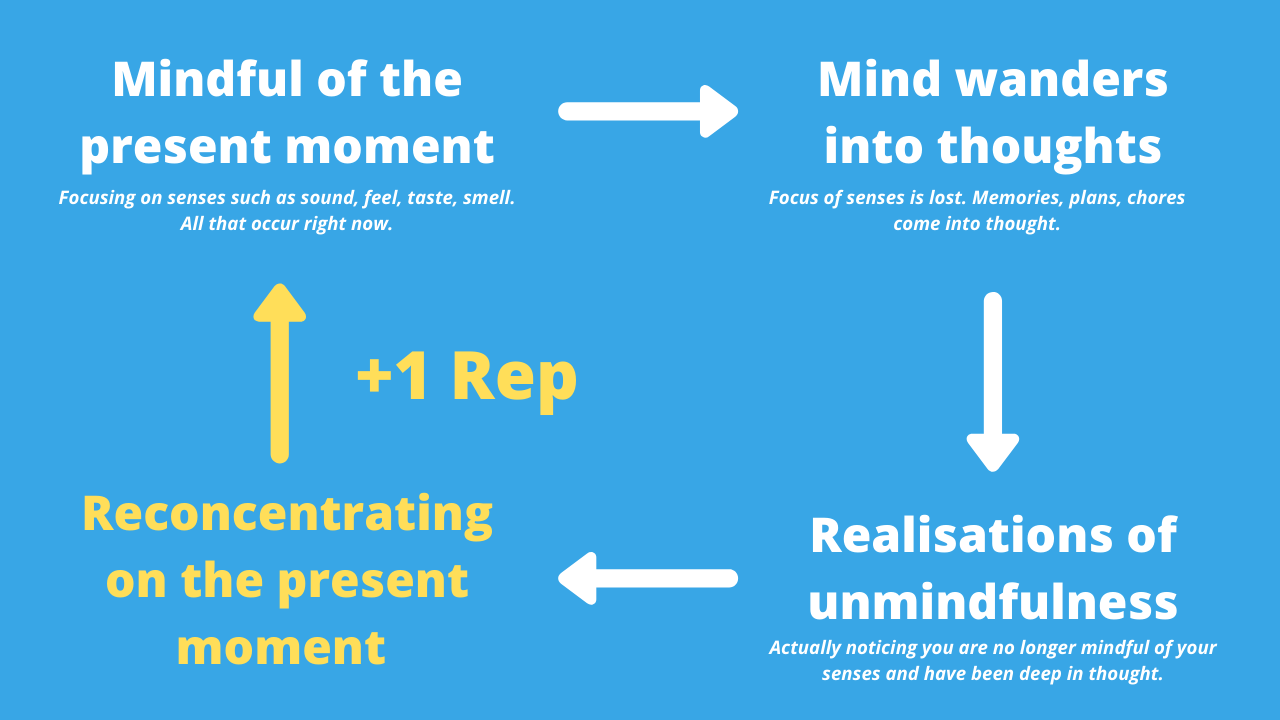
Instead of getting frustrated when your mind wanders, you can gently acknowledge the thought and guide your attention back to your chosen anchor, be it your breath, bodily sensations, or sounds. This non-judgmental attitude fosters a more supportive and encouraging environment for your practice to flourish.
Framework for Tracking and Celebrating Progress
To further support your journey, establishing a simple framework for tracking your mindfulness practice and celebrating small wins can be incredibly motivating. This helps you visualize your commitment and acknowledge the effort you are putting in.A straightforward approach involves a daily or weekly check-in. You can use a simple journal, a calendar, or a dedicated app. The key is to note down:
- The days you practiced mindfulness.
- The duration of your practice (even if it was just a few minutes).
- Any notable observations or feelings during or after the practice.
This tracking system provides a tangible record of your consistency. When you notice a streak of consecutive days or a month of regular practice, take a moment to acknowledge and celebrate this achievement.
“Celebrate every moment of presence, for it is a victory.”
These small wins, such as completing a week of daily five-minute meditations or noticing a moment of increased awareness during a busy day, are significant milestones. Recognizing and appreciating them reinforces the positive aspects of your practice and fuels your motivation to continue. For instance, if you’ve been consistently practicing for a month and notice a greater sense of calm during stressful situations, consciously acknowledge this improvement.
This positive reinforcement is a powerful tool for long-term habit sustainability.
Advanced Techniques and Cultivating Deeper Awareness

As your mindfulness practice matures, you naturally begin to explore more refined ways to engage with your inner landscape. This stage involves moving beyond basic observation to a more nuanced understanding of your mental and emotional processes, fostering a deeper connection with yourself and the world around you. These advanced techniques are not about achieving a specific state, but rather about deepening your capacity for present-moment awareness in all aspects of your life.This section will guide you through methods that enhance your ability to observe thoughts and emotions without getting entangled in them, cultivate more intentional communication, and leverage mindfulness to navigate life’s inherent challenges.
By embracing these practices, you will unlock a richer and more resilient form of mindfulness that permeates your daily existence.
Developing Mindful Awareness of Thoughts and Emotions Without Judgment
The ability to observe thoughts and emotions without judgment is a cornerstone of advanced mindfulness. It involves recognizing that thoughts are simply mental events, transient and impermanent, much like clouds passing in the sky. Similarly, emotions are temporary energetic states that arise and pass away. Cultivating this awareness requires practice and a gentle, curious approach.One effective method is “labeling.” When a thought or emotion arises, you can mentally acknowledge it with a simple, non-evaluative label.
For instance, if you notice a feeling of anxiety, you might silently say “anxiety.” If a thought about your to-do list appears, you might label it “planning.” This practice creates a subtle distance, allowing you to observe the phenomenon without immediately identifying with it or judging it as “good” or “bad.” Over time, this practice helps to deconstruct the power that unexamined thoughts and emotions can hold over us.Another technique is “observing the impermanence.” This involves paying attention to the natural ebb and flow of mental and emotional experiences.
Notice how thoughts arise, linger for a moment, and then fade. Observe how emotions shift in intensity and quality. This observation reinforces the understanding that nothing is fixed, and by not clinging to pleasant experiences or resisting unpleasant ones, you can foster a sense of equanimity.
Cultivating Mindful Speech and Mindful Listening
Mindfulness extends beyond internal awareness to how we interact with others. Mindful speech involves speaking with intention, awareness, and consideration for the impact of our words. It means pausing before speaking, considering whether our words are truthful, helpful, and kind. This practice can transform conversations, leading to greater clarity and reduced misunderstandings.Mindful listening, conversely, is about giving your full, undivided attention to the speaker.
It involves setting aside your own thoughts, judgments, and distractions to truly hear what the other person is saying, both verbally and non-verbally. This practice fosters deeper connection, empathy, and understanding in relationships.To cultivate mindful speech:
- Pause before speaking: Take a breath and consider your intention.
- Speak truthfully: Ensure your words align with your understanding of reality.
- Speak helpfully: Consider if your words will contribute positively to the situation.
- Speak kindly: Choose words that are compassionate and respectful.
- Avoid gossip and criticism: Refrain from speaking about others in a negative or judgmental way.
To cultivate mindful listening:
- Set an intention to listen: Commit to being fully present for the speaker.
- Put away distractions: Turn off your phone and minimize environmental interruptions.
- Maintain eye contact: Signal your engagement and attentiveness.
- Listen without interrupting: Allow the speaker to express themselves fully.
- Listen for understanding, not just to respond: Focus on grasping the speaker’s perspective.
- Notice your own internal dialogue: Be aware of any judgments or preconceptions that arise.
Using Mindfulness to Navigate Difficult Emotions and Stressful Situations
Difficult emotions and stressful situations are inevitable parts of life. Mindfulness offers a powerful framework for navigating these challenges with greater resilience and wisdom. Instead of reacting impulsively or suppressing these experiences, mindfulness encourages a stance of acceptance and gentle exploration.When faced with a difficult emotion, such as anger, fear, or sadness, the practice is to acknowledge its presence without resistance.
You might notice the physical sensations associated with the emotion – a tightness in the chest, a knot in the stomach, a racing heart. By bringing a curious and compassionate awareness to these sensations, you begin to understand the emotion as a temporary energetic phenomenon rather than an insurmountable problem. This process of “leaning in” with awareness, rather than pushing away, can paradoxically reduce the intensity and duration of the emotion.For stressful situations, mindfulness helps to interrupt the cycle of rumination and worry.
Instead of getting lost in “what-ifs,” you can bring your attention back to the present moment. This might involve focusing on your breath, the sensations in your body, or the immediate environment. By grounding yourself in the present, you create space to respond to the situation more thoughtfully and effectively, rather than being overwhelmed by the stress.
“The greatest weapon against stress is our ability to choose one thought over another.”
William James
This quote highlights the power of mindfulness in shifting our internal focus during stressful times. By consciously directing our attention to the present and engaging in mindful observation, we can disengage from the automatic stress response and cultivate a more balanced perspective.
Fostering Greater Self-Understanding Through Consistent Mindfulness Practice
A consistent mindfulness practice acts as a mirror, reflecting your inner world with increasing clarity. Over time, you begin to notice patterns in your thoughts, emotions, and behaviors that may have previously gone unnoticed. This growing self-awareness is the foundation for profound self-understanding.For instance, through regular meditation, you might observe a recurring thought pattern of self-criticism that arises whenever you encounter a perceived failure.
By noticing this pattern without judgment, you can begin to understand its origins and its impact on your self-esteem. This understanding allows you to challenge these critical thoughts and cultivate a more compassionate inner dialogue.Another example is recognizing how certain environmental triggers or social interactions consistently evoke specific emotional responses. You might discover that you tend to feel anxious in large crowds or that you become defensive when your opinions are challenged.
This insight allows you to proactively manage these situations or to address the underlying beliefs that contribute to these reactions.Ultimately, consistent mindfulness practice cultivates a deeper acceptance of yourself, flaws and all. It fosters a sense of being an observer of your own life, capable of making conscious choices rather than being driven by unconscious impulses. This journey of self-discovery is one of the most rewarding aspects of a long-term mindfulness habit.
Structuring and Enhancing Your Mindfulness Environment
Cultivating a consistent mindfulness practice often benefits from a thoughtfully designed personal environment. This space, whether it’s a dedicated corner or an entire room, can significantly influence the depth and regularity of your practice. By intentionally creating a sanctuary for mindfulness, you signal to yourself that this time is sacred and deserves your full attention, fostering a deeper connection with your inner experience.The physical and sensory aspects of your environment play a crucial role in supporting your mindfulness journey.
A well-structured space can minimize distractions, evoke a sense of calm, and serve as a gentle reminder of your commitment to mindful living. This section explores how to intentionally shape your surroundings to nurture a lasting mindfulness habit.
Designing a Personal Space Conducive to Mindfulness Practice
Your personal mindfulness space should be a sanctuary that promotes tranquility and focus. Consider the elements that contribute to a peaceful atmosphere, such as natural light, minimal clutter, and comfortable seating. The aim is to create a place where you feel safe, supported, and undisturbed, allowing you to fully immerse yourself in your practice.Key considerations for designing your personal mindfulness space include:
- Location: Choose a quiet area with minimal foot traffic and external noise.
- Comfort: Select a comfortable cushion, meditation bench, or chair that supports good posture.
- Ambiance: Incorporate elements that promote calmness, such as plants, soft lighting, or natural materials.
- Decluttering: Ensure the space is free from visual distractions and unnecessary items.
- Sensory Elements: Consider soft, calming music, or the subtle scent of essential oils like lavender or sandalwood, if they aid your relaxation.
Creating a Dedicated Mindfulness Ritual
A mindfulness ritual is a set of actions performed consistently before or during your practice, which helps to signal the transition from everyday activities to mindful presence. These rituals can anchor your practice, making it more accessible and easier to engage with, especially on days when motivation might be low.Ideas for developing a personal mindfulness ritual include:
- Preparation: This might involve tidying your practice space, lighting a candle, or preparing a cup of herbal tea.
- Transition: Gentle stretching, deep breathing exercises, or a moment of gratitude can help shift your focus inward.
- Practice Initiation: This could be the act of sitting down, closing your eyes, or setting an intention for your practice.
- Concluding the Practice: A few moments of gentle movement, a mindful sip of tea, or a brief reflection can help you transition back to your day.
For example, a simple ritual could be: walking to your designated meditation cushion, taking three deep breaths while focusing on the sensation of air entering and leaving your lungs, and then gently closing your eyes to begin your meditation. This sequence, repeated daily, creates a powerful anchor for your practice.
The Impact of External Factors on Maintaining a Consistent Practice
External factors, both positive and negative, can significantly influence your ability to sustain a regular mindfulness habit. Understanding these influences allows you to proactively manage them and strengthen your commitment.External factors that can impact consistency include:
- Environmental Noise and Distractions: Loud noises, interruptions from family members or pets, or constant notifications from devices can disrupt your practice. Creating a designated quiet time or using noise-canceling headphones can mitigate these.
- Work and Life Commitments: Demanding schedules, unexpected events, and the general pace of modern life can make it challenging to find time for mindfulness. Prioritizing your practice and scheduling it like any other important appointment is crucial.
- Social Support: Practicing with a friend, joining a mindfulness group, or having a supportive partner can provide encouragement and accountability.
- Technological Aids: While technology can be a distraction, it can also be a valuable tool. Mindfulness apps, guided meditations, and online communities can offer support and resources.
For instance, individuals living in busy urban environments might find it more challenging to find a truly quiet space, necessitating the use of white noise machines or specific times of day when the environment is naturally calmer.
Resources and Tools That Can Support a Long-Term Mindfulness Habit
A variety of resources and tools can enhance and sustain your mindfulness practice over the long term. These aids can offer guidance, structure, and inspiration, making your journey more accessible and rewarding.Valuable resources and tools for long-term mindfulness include:
- Mindfulness Apps: Applications such as Calm, Headspace, Insight Timer, and Ten Percent Happier offer guided meditations, sleep stories, and courses for various levels of experience.
- Books and Literature: Foundational texts by authors like Jon Kabat-Zinn, Thich Nhat Hanh, and Sharon Salzberg provide deep insights and practical guidance.
- Online Courses and Workshops: Many reputable organizations offer structured online programs that can deepen understanding and provide community.
- Meditation Cushions and Mats: Ergonomically designed seating can improve comfort and posture, making longer sits more accessible.
- Journals: Reflecting on your practice, noting insights, challenges, and progress can be a powerful tool for self-awareness and motivation.
- Mindfulness Retreats: Immersive retreats offer an opportunity to deepen your practice away from daily distractions and connect with experienced teachers and fellow practitioners.
“The environment in which you practice is not just the physical space, but the internal space you cultivate.”
This quote highlights that while a physical sanctuary is beneficial, the mental and emotional space you create is equally, if not more, important for sustained mindfulness.
Summary
As we conclude, it is clear that maintaining a long-term mindfulness habit is a dynamic process, requiring consistent effort, patience, and a willingness to adapt. By understanding its core principles, integrating it seamlessly into daily life, and employing strategies to overcome challenges, we can deepen our awareness and foster a more profound connection with ourselves and the world around us.
The journey of mindfulness is ongoing, and with dedication, it can become a source of lasting peace and well-being.