How to Practice Mindfulness in the Digital Age invites you on a journey to navigate our increasingly connected world with greater intention and peace. This exploration delves into the challenges and opportunities presented by our digital lives, offering practical wisdom for cultivating a more present and focused existence amidst constant stimulation.
We will explore the pervasive nature of digital distractions, understanding their impact on our attention spans and inner calm. By examining our technology habits, we can develop conscious engagement strategies, transforming devices from sources of disruption into tools that can potentially support our well-being. This guide provides actionable techniques and thoughtful reflections to help you integrate mindfulness seamlessly into your daily digital interactions.
Understanding Digital Distractions

In our hyper-connected world, the constant influx of digital information presents a significant challenge to practicing mindfulness. These digital distractions, while often seemingly innocuous, can erode our ability to be present and aware. Recognizing and understanding these patterns is the first crucial step in reclaiming our attention and cultivating inner peace.The digital landscape is a fertile ground for distractions, designed to capture and hold our attention.
From the moment we wake up to the moment we sleep, our devices beckon with notifications, endless scrolling feeds, and a constant stream of new information. This pervasive presence makes it difficult to disengage and find moments of quiet reflection, essential for mindfulness.
Common Digital Distractions Hindering Mindfulness
The digital realm offers a plethora of temptations that pull our focus away from the present moment. These distractions are not just external; they often tap into our psychological need for novelty, social validation, and instant gratification, making them particularly potent.
- Notifications: Pings, buzzes, and flashing lights from emails, social media, and news apps create a sense of urgency, compelling us to check our devices even when it’s not necessary.
- Social Media Feeds: The endless scroll of curated content, updates from friends, and advertisements is designed to be addictive, encouraging passive consumption rather than active engagement with our surroundings.
- Email and Messaging Apps: The expectation of immediate responses can lead to constant checking and context-switching, fragmenting our attention.
- News and Information Overload: The 24/7 news cycle and the sheer volume of information available online can induce anxiety and overwhelm, making it difficult to focus on anything else.
- Entertainment Platforms: Streaming services and online games offer an escape, but their immersive nature can lead to prolonged periods of distraction and disengagement from real-world experiences.
Psychological Impact of Constant Connectivity on Attention Spans
The persistent engagement with digital devices has a profound and often detrimental effect on our cognitive abilities, particularly our attention spans. Our brains are constantly adapting to the rapid-fire nature of digital interactions, which can lead to a diminished capacity for sustained focus.The human brain is not designed for the constant barrage of stimuli that digital technology provides. Each notification, each new piece of information, triggers a small dopamine release, reinforcing the behavior of checking our devices.
Over time, this can retrain our brains to expect and crave constant stimulation, making it challenging to concentrate on tasks that require deeper, sustained attention. Studies have indicated a decline in average attention spans, with some research suggesting it has shortened significantly over the past two decades, correlating with the rise of digital media. This phenomenon is often referred to as “continuous partial attention,” where we are aware of many things but not truly focused on any one of them.
Identifying Personal Digital Triggers for Distraction
To effectively practice mindfulness in the digital age, it is essential to understand what specific digital elements most powerfully disrupt our focus. Identifying these personal triggers allows for targeted strategies to mitigate their impact.A valuable exercise is to consciously observe your digital behavior throughout the day. Pay attention to the moments when you reach for your phone or open a new tab without a specific purpose.
What prompted this action? Was it a feeling of boredom, anxiety, or a subconscious habit? Keeping a simple journal for a few days, noting the time, the digital activity, and the feeling that preceded it, can reveal patterns. For instance, you might notice that during moments of uncertainty at work, you instinctively open social media, or that after finishing a task, your default action is to check email.
These observations are not about judgment but about gaining awareness.
The Concept of “Digital Noise” and Its Effect on Inner Peace
“Digital noise” refers to the overwhelming and often irrelevant stream of information and stimuli that bombards us through our digital devices. This constant cacophony can significantly disrupt our inner peace, making it difficult to access states of calm and clarity.Imagine trying to hear a gentle melody in the middle of a rock concert; that is akin to seeking inner peace amidst digital noise.
This noise isn’t just the notifications; it’s the constant updates, the endless streams of opinions, the advertisements vying for our attention, and the pressure to stay constantly informed. This relentless exposure can lead to mental fatigue, anxiety, and a feeling of being perpetually scattered. When our minds are filled with this external chatter, it leaves little room for introspection, self-awareness, and the quiet contemplation that mindfulness cultivates.
The effect is a sense of being constantly reactive rather than proactively engaged with our own thoughts and feelings, hindering our ability to connect with our inner selves.
Cultivating Mindful Awareness of Technology Use
In our hyper-connected world, digital devices have become extensions of ourselves, seamlessly integrated into our daily routines. However, this constant engagement often happens on autopilot, leading to unintentional habits and a disconnect from our present experience. Cultivating mindful awareness of our technology use is crucial for reclaiming our attention, fostering deeper connections, and ensuring technology serves us rather than dominates us.
This involves a conscious effort to observe our digital interactions with curiosity and without judgment.Becoming more conscious of how and why we use digital devices requires a deliberate shift in perspective. Instead of passively accepting our digital habits, we can actively investigate them, uncovering the underlying motivations and patterns that drive our engagement. This self-inquiry is the foundation for making intentional choices about our technology consumption.
Methods for Becoming More Conscious of Technology Use
To foster a greater awareness of our digital habits, we can employ several practical methods that encourage introspection and observation. These techniques help us to identify the triggers, emotions, and purposes behind our device usage, paving the way for more intentional engagement.
- Time Tracking: Utilize apps or manual logs to record the time spent on specific applications or websites. This objective data can reveal surprising patterns and highlight areas where time might be unintentionally consumed. For instance, a study by RescueTime found that the average person spends over three hours a day on their smartphone, with a significant portion dedicated to non-essential activities.
- Purposeful Engagement Prompts: Before picking up a device or opening an app, pause and ask yourself: “What is my intention for using this now?” This simple question can deter mindless scrolling and encourage focused use.
- Emotional Check-ins: Pay attention to your emotional state before, during, and after using technology. Are you seeking comfort, distraction, connection, or information? Recognizing these emotional drivers can help you make more conscious choices about when and how to engage.
- Device-Free Zones and Times: Designate specific areas in your home (e.g., the bedroom) or times of day (e.g., during meals) as technology-free. This creates physical and temporal boundaries that encourage presence and reduce automatic device interaction.
- Notification Auditing: Regularly review and adjust your app notifications. Disable non-essential alerts that constantly pull your attention away from your current task or experience. Consider the psychological impact of constant pings and vibrations, which can create a sense of urgency and anxiety.
Techniques for Mindful Scrolling and Social Media Consumption
Social media platforms are designed to be engaging, often leading to prolonged and unconscious scrolling. Practicing mindfulness during these activities can transform them from potential time sinks into more intentional and less overwhelming experiences.
- Single-Tasking During Scrolling: Instead of scrolling while simultaneously engaging in another activity, dedicate your full attention to the act of scrolling. Observe the content that appears without immediate judgment or the need to react.
- Curated Feeds: Actively manage your social media feeds by unfollowing accounts that do not add value, inspire you, or align with your interests. Prioritize content that is informative, uplifting, or genuinely connects you with others. This proactive approach ensures your digital environment is more conducive to mindful consumption.
- Intentional Consumption Pauses: During scrolling sessions, intentionally pause every few minutes. Take a deep breath, notice your surroundings, and ask yourself if you are still finding value in what you are viewing. This brief interlude helps to break the momentum of continuous scrolling.
- Mindful Engagement with Content: When you encounter a post that resonates, pause to appreciate its message or impact. Instead of a quick “like,” consider leaving a thoughtful comment or reflecting on how it makes you feel. This encourages deeper processing of information rather than superficial interaction.
- Setting Time Limits: Utilize built-in app features or third-party tools to set daily time limits for social media usage. Once the limit is reached, respect it and disengage. This practice builds self-discipline and prevents excessive consumption.
The Importance of Setting Intentions Before Engaging with Technology
Setting intentions before interacting with digital devices is akin to preparing for a journey; it provides direction and purpose. Without a clear intention, we are more likely to drift into passive consumption, getting lost in the vastness of the digital landscape and losing valuable time and mental energy.
“Intention is the seed of action. Without a clear intention, our actions become scattered and unproductive.”
This principle applies directly to our technology use. By consciously defining what we aim to achieve, learn, or connect with before we open an app or browse a website, we can steer our digital interactions towards more meaningful outcomes. For example, if your intention is to find a specific piece of information, you are more likely to use search engines efficiently and avoid getting sidetracked by unrelated content.
Conversely, if your intention is to connect with a friend, you will likely focus on messaging or video calls rather than aimlessly browsing through news feeds. This intentionality transforms technology from a potential distraction into a powerful tool for achieving our goals.
Personal Reflection Exercise on Technology Habits
To cultivate a deeper understanding of your relationship with technology, engaging in a personal reflection exercise is highly beneficial. This process encourages honest self-assessment and can illuminate unconscious patterns, leading to more deliberate and mindful technology use.To begin this exercise, set aside a quiet period, perhaps 15-30 minutes, where you will not be interrupted. Have a notebook and pen, or a digital document if you prefer, ready for your reflections.
Consider the following prompts and allow yourself to respond with as much detail and honesty as possible. There are no right or wrong answers; the goal is self-discovery.
| Reflection Prompt | Your Observations and Thoughts |
|---|---|
| What are the first digital devices or applications you engage with upon waking up, and what is your typical immediate action? | [Record your immediate actions and the feeling associated with them.] |
| During your typical day, which digital activities do you find yourself performing most frequently? | [List the activities and estimate the time spent, if possible.] |
| What emotions or needs are typically driving your use of social media or other entertainment apps? | [Identify the underlying emotions, e.g., boredom, seeking validation, distraction.] |
| When do you feel most distracted or overwhelmed by your technology use? What triggers these feelings? | [Describe specific situations and the sensory or emotional triggers.] |
| What are your intentions when you consciously decide to use a specific digital tool or platform? | [State your intended outcomes or goals for using the technology.] |
| Are there specific digital habits you would like to change or cultivate? If so, what are they and why? | [Artikel desired changes and the motivations behind them.] |
Practical Techniques for Digital Mindfulness
Transitioning from understanding digital distractions and cultivating mindful awareness to actively implementing these principles requires a set of actionable strategies. This section provides concrete techniques designed to integrate mindfulness into your daily digital interactions, fostering a healthier and more intentional relationship with technology. These practices are not about eliminating technology, but about using it with greater presence and purpose.The digital age presents constant demands on our attention, making it crucial to build intentional pauses and mindful habits into our routines.
By incorporating these techniques, you can reclaim your focus, reduce digital overwhelm, and enhance your overall well-being.
Designing a Daily Routine with Screen-Free Breaks
Establishing a structured daily routine that includes deliberate breaks away from screens is fundamental to combating digital fatigue. These breaks allow your mind to rest, reset, and engage with the physical world, preventing burnout and improving cognitive function. The key is consistency and intentionality in scheduling these moments.A well-designed routine can look like this:
- Morning Transition: Dedicate the first 15-30 minutes after waking to activities like stretching, journaling, or enjoying a quiet breakfast without checking your phone or email. This sets a calm and focused tone for the day.
- Mid-Morning Reset: Schedule a 5-10 minute break every hour or so to step away from your computer. Stand up, walk around, look out a window, or engage in a brief breathing exercise.
- Lunchtime Disconnect: Use your lunch break as a true respite. Avoid working through lunch or scrolling through social media. Instead, eat mindfully, engage in conversation, or take a short walk outdoors.
- Afternoon Recharge: Similar to the mid-morning break, plan a short, screen-free interlude in the afternoon to combat the common post-lunch slump.
- Evening Wind-Down: Designate at least an hour before bedtime as a digital-free zone. This helps improve sleep quality by reducing exposure to stimulating blue light and allowing your mind to transition to rest.
Guided Practices for Mindful Phone Usage: Single-Tasking
Mindful phone usage involves intentionally directing your attention to a single task, rather than succumbing to the temptation of constant multitasking. Single-tasking with your phone, even for brief periods, can significantly enhance your focus and reduce the feeling of being scattered.One effective technique is to practice single-tasking by consciously choosing one app or activity at a time and dedicating your full attention to it.
For example, when you decide to check social media, commit to doing only that for a set period, without simultaneously responding to emails or news alerts.A practical approach to single-tasking on your phone includes:
- Intentional Opening: Before opening an app, ask yourself, “What is my purpose for opening this app right now?” This conscious step helps prevent mindless scrolling.
- Timeboxing: Set a timer for specific phone activities, such as checking social media for 10 minutes or responding to messages for 15 minutes. When the timer goes off, close the app and move on to another task.
- Notification Management: Turn off non-essential notifications. For critical apps, consider using scheduled summary notifications rather than instant alerts, allowing you to check them at designated times.
- Task-Specific Sessions: If you need to research something, open your browser, complete the research, and then close the browser. Avoid getting sidetracked by other tabs or notifications that may appear.
Exercises for Mindful Email Checking and Notification Management
Email and notifications are significant sources of digital distraction. Implementing mindful practices for managing them can drastically improve productivity and reduce stress. The goal is to control these digital inputs rather than letting them control you.Mindful email checking involves treating your inbox as a task to be completed intentionally, rather than a constant stream of interruptions. Similarly, managing notifications means being selective about what demands your immediate attention.Here are exercises to cultivate mindful email checking and notification management:
- Scheduled Email Sessions: Instead of checking email every few minutes, designate specific times of the day for email processing (e.g., once in the morning, once after lunch, and once before the end of the workday).
- Batching Email Responses: When you do check your email, aim to respond to multiple emails in one go. This prevents context switching and maintains focus.
- The Two-Minute Rule: If an email can be answered or actioned in less than two minutes, do it immediately. For longer tasks, schedule them into your calendar.
- Notification Audit: Regularly review all app notifications on your phone and computer. For each app, ask: “Do I truly need an instant alert from this app?” Disable notifications for non-essential applications.
- Prioritizing Alerts: For crucial notifications, consider using features like “Do Not Disturb” with exceptions for important contacts or apps. This ensures you are alerted to what truly matters without constant interruption.
- Mindful Notification Response: When a notification appears, pause before reacting. Ask yourself if it requires immediate attention or if it can wait until your next scheduled check-in.
Digital “Detox” Periods and Their Benefits
Digital detox periods are intentional breaks from using digital devices, ranging from a few hours to several days. These periods are crucial for recalibrating your relationship with technology, fostering deeper engagement with the offline world, and improving mental and physical health.Engaging in digital detoxes offers a range of significant benefits that can positively impact your overall well-being. These breaks are not about deprivation but about restoration and rediscovery.Consider incorporating these types of digital detox periods:
- Daily Mini-Detoxes: These are short, recurring periods of disconnection, such as the screen-free hours before bed or a device-free mealtime.
- Weekly Digital Sabbaths: Designate a specific day or half-day each week (e.g., Sunday afternoon) to be entirely device-free. This allows for extended periods of rest and engagement with non-digital activities.
- Weekend Retreats: Plan a weekend getaway or simply a weekend at home where you significantly reduce or eliminate screen time, focusing on hobbies, nature, or spending time with loved ones.
- Extended Digital Fasts: For more profound benefits, consider longer detox periods, such as a full week once or twice a year, to reset your digital habits and reconnect with yourself.
The benefits of these digital detox periods are substantial and far-reaching:
- Improved Sleep Quality: Reducing screen time, especially before bed, helps regulate melatonin production and promotes deeper, more restful sleep.
- Enhanced Focus and Productivity: Stepping away from constant digital stimuli allows your brain to recover, leading to improved concentration and efficiency when you return to your tasks.
- Reduced Stress and Anxiety: Constant connectivity can contribute to feelings of overwhelm and pressure. Detox periods provide a much-needed break, lowering stress levels.
- Increased Presence and Connection: Disconnecting from devices frees up mental space and time to engage more fully with the people and environment around you, fostering deeper relationships and a greater appreciation for the present moment.
- Boosted Creativity: Boredom and unstructured time, often experienced during detox periods, can be fertile ground for creative thinking and problem-solving.
- Better Physical Health: Reduced screen time often leads to more physical activity, improved posture, and less eye strain.
Setting Boundaries in the Digital Realm
In our increasingly interconnected world, the lines between our professional and personal lives can easily blur, especially with the constant presence of digital devices. Establishing clear boundaries is crucial for maintaining well-being, preventing burnout, and reclaiming our time and attention. This section will explore the significance of these boundaries and provide practical strategies for their implementation.The ability to disconnect from the digital world is not a luxury but a necessity for mental and emotional health.
Without intentional limits, we risk constant interruption, reduced productivity, and a diminished capacity for deep engagement with our offline lives. Recognizing the importance of these boundaries empowers us to make conscious choices about how and when we engage with technology.
The Significance of Digital Boundaries
Establishing clear boundaries between online and offline life is fundamental to a balanced and fulfilling existence. These boundaries act as protective measures, safeguarding our mental energy, relationships, and personal time from the pervasive demands of the digital sphere. They allow us to cultivate a sense of presence in our physical surroundings and engage more deeply with the people and activities that matter most.
Without them, we can find ourselves perpetually tethered to our devices, leading to increased stress and a feeling of being constantly “on.”
Creating Technology-Free Zones and Times
To foster a healthier relationship with technology, it is essential to designate specific areas and periods as technology-free. This intentional practice helps to retrain our brains to associate certain environments and times with relaxation, connection, and focused activity, rather than constant digital engagement.To implement technology-free zones and times effectively, consider the following actionable steps:
- Designate Physical Spaces: Identify areas in your home where technology is not permitted. Common examples include the dining table during meals, bedrooms to promote better sleep, and living areas during family time. Clearly communicate these rules to household members to ensure compliance.
- Schedule Digital Downtime: Allocate specific times each day or week for complete disconnection. This could be an hour before bed, during weekend mornings, or even a full digital detox day. Treat these times as sacred, resisting the urge to check notifications or emails.
- Turn Off Notifications: Systematically disable non-essential notifications on your smartphone and computer. This reduces the constant stream of interruptions that pull your attention away from your current task or interaction. Prioritize notifications only for truly urgent matters.
- Establish a “Shutdown Routine”: Create a ritual for ending your workday that involves logging off from work-related applications and devices. This mental transition signals the end of work obligations and helps you to mentally disconnect.
- Utilize “Do Not Disturb” Modes: Make full use of the “Do Not Disturb” features on your devices. These modes can be customized to allow calls from specific contacts or to only activate during designated quiet periods, ensuring you are not interrupted by non-urgent alerts.
Managing Work-Related Digital Communication Outside of Work Hours
The modern workplace often blurs the lines of traditional work hours, with digital communication tools extending the reach of work into our personal lives. Proactively managing this influx is key to preventing work from encroaching on your downtime and personal well-being.Strategies for managing work-related digital communication outside of work hours include:
- Set Clear Expectations with Colleagues and Supervisors: Communicate your availability and response times for non-urgent matters outside of standard work hours. This can be done through email signatures, team meetings, or direct conversations. For instance, an email signature might state, “I typically respond to emails within 24 business hours.”
- Utilize “Out of Office” Replies: When you are not working, set up automatic “out of office” replies on your email and messaging platforms. These replies should clearly state when you will be unavailable and who to contact for urgent issues.
- Schedule Email and Message Checks: Instead of being constantly available, designate specific times during your personal hours to check work communications. This might be once in the evening or not at all on weekends, depending on your role and company culture.
- Separate Work and Personal Devices/Accounts: If possible, use separate devices or at least separate profiles for work and personal use. This physical or digital separation makes it easier to mentally switch off from work.
- Practice Mindful Responses: Before responding to a work-related message outside of work hours, ask yourself if it is truly urgent. If not, consider waiting until your next designated work period to respond.
Common Boundary-Setting Challenges and Solutions
Implementing digital boundaries is not always straightforward and often presents unique challenges. Recognizing these obstacles and developing proactive solutions can significantly improve your success in maintaining these crucial limits.Here are common boundary-setting challenges and their potential solutions:
| Challenge | Solution |
|---|---|
| Fear of Missing Out (FOMO) | Acknowledge that constant connectivity can fuel FOMO. Focus on the benefits of disconnection, such as improved mental clarity and deeper real-world connections. Remind yourself that most digital information can wait. |
| Workplace Culture Expectation of Constant Availability | Initiate conversations about healthy work-life balance with your team and management. Lead by example by setting your own boundaries and demonstrating that productivity does not require 24/7 digital access. If direct conversation is difficult, start by gradually extending your response times. |
| Habitual Checking and Automatic Behavior | Be mindful of your automatic behaviors. When you find yourself reaching for your phone without a specific purpose, pause and ask yourself why. Use app timers and website blockers to create friction and interrupt these automatic impulses. |
| Social Pressure to be Online | Communicate your boundaries to friends and family. Explain that your offline time is valuable for your well-being. If necessary, set expectations for when you are available for social digital interactions. |
| Difficulty Disconnecting from Engaging Content | Set time limits for entertainment or social media use. Utilize features like YouTube’s “take a break” reminders or Instagram’s activity dashboard to monitor and manage your time spent on these platforms. Plan engaging offline activities to fill the void. |
Leveraging Technology for Enhanced Mindfulness

In an era where digital tools are ubiquitous, it’s counterintuitive for some to consider them allies in cultivating mindfulness. However, when used with intention and awareness, technology can significantly amplify our ability to practice and deepen our mindful experiences. This section explores how to harness the power of digital resources to support, rather than hinder, our journey towards greater presence and self-awareness.The digital landscape offers a wealth of applications and platforms designed to guide and support mindfulness practices.
By thoughtfully integrating these tools into our daily routines, we can create personalized mindfulness journeys that cater to our specific needs and preferences, making the practice more accessible and engaging.
Digital Tools and Apps for Mindfulness Support
A variety of digital tools and applications have been developed to assist individuals in their mindfulness journey. These resources range from guided meditation apps to soundscape generators and habit trackers, each offering unique benefits for cultivating a more present and aware state of being.
- Guided Meditation Apps: These applications provide structured audio sessions led by experienced instructors, guiding users through various meditation techniques such as breath awareness, body scans, and loving-kindness meditation. Examples include Calm, Headspace, Insight Timer, and Ten Percent Happier.
- Mindfulness and Meditation Timers: For those who prefer to meditate independently, simple timers with gentle bell sounds can help maintain focus and structure without the guidance of an instructor. Many meditation apps include this feature.
- Soundscape and Ambient Noise Generators: These tools offer a range of natural sounds (e.g., rain, ocean waves) or ambient music designed to create a calming environment conducive to meditation or focused work. Apps like Noisli and myNoise are popular choices.
- Breathing Exercise Apps: Dedicated apps offer visual and auditory cues to guide users through various breathing techniques, such as box breathing or 4-7-8 breathing, which are effective for stress reduction and immediate calming.
- Digital Journals: These platforms allow for the recording of thoughts, feelings, and observations related to mindfulness practice, providing a space for reflection and tracking progress.
Intentional Technology Use for Deeper Self-Awareness
The key to leveraging technology for enhanced mindfulness lies in intentionality. Instead of passively consuming digital content, we can actively use these tools as mirrors to observe our internal states and patterns of behavior. This conscious engagement transforms technology from a potential distraction into a powerful instrument for self-discovery.By reframing our interaction with technology, we can foster a more mindful relationship with our devices.
This involves setting clear intentions before engaging with digital platforms, being aware of the emotional and mental impact of our online activities, and using technology as a tool for learning and growth rather than mere escapism.
Digital Journaling for Tracking Mindful Experiences
Digital journaling offers a convenient and accessible way to document the nuances of our mindful experiences. It provides a structured method for reflecting on moments of presence, identifying triggers for distraction, and observing the progress of our mindfulness practice over time. The ability to easily search, categorize, and revisit entries makes digital journals invaluable for self-reflection.A digital journal can be as simple as a note-taking app or a dedicated journaling platform.
The act of writing, even digitally, encourages us to articulate our thoughts and feelings, which can bring clarity and insight. Regularly reviewing these entries allows for the recognition of patterns in our thoughts, emotions, and behaviors, further deepening self-awareness.
Comparative Overview of Mindfulness Apps
The landscape of mindfulness apps is diverse, with each offering a unique approach to supporting mental well-being. Understanding the differences between them can help individuals select the tools that best align with their personal practice goals and preferences.
| App Type | Primary Focus | Key Features | Ideal For |
|---|---|---|---|
| Comprehensive Meditation Apps (e.g., Calm, Headspace) | Guided meditations, sleep stories, relaxation exercises | Extensive libraries of guided sessions, progress tracking, courses on specific topics | Beginners and experienced practitioners seeking structured guidance and variety. |
| Community-Focused Apps (e.g., Insight Timer) | Free guided meditations, community forums, customizable timers | Vast collection of free content from various teachers, social features for connection | Individuals seeking a wide range of free options and a sense of community. |
| Skill-Building Apps (e.g., Ten Percent Happier) | Practical mindfulness techniques for everyday life, stress reduction | Focus on integrating mindfulness into daily activities, interviews with experts | Those looking for actionable strategies to manage stress and improve focus in practical situations. |
| Specialized Apps (e.g., Breathwrk, Moodpath) | Specific techniques like breathing exercises or mood tracking | Targeted tools for immediate relief or specific mental health support | Individuals needing focused support for particular challenges like anxiety or sleep issues. |
Reclaiming Focus and Presence

In our hyper-connected digital world, the constant influx of notifications and stimuli can fragment our attention, making it challenging to maintain focus and experience genuine presence. This section delves into practical strategies to combat digital distractions and cultivate a more centered, attentive state in our daily lives. By understanding the nature of digital distractions and implementing mindful practices, we can gradually reclaim our focus and enhance our overall well-being.The digital environment is inherently designed to capture and hold our attention, often through mechanisms that encourage multitasking and rapid task switching.
While this can sometimes feel productive, it often leads to a superficial engagement with tasks and a diminished capacity for deep concentration. Reclaiming focus requires a conscious effort to counter these ingrained habits and foster an environment that supports sustained attention.
Practicing Single-Tasking in a Multi-Tasking Digital Environment
The digital age often promotes the illusion of efficiency through multitasking. However, research consistently shows that true productivity and deeper understanding arise from single-tasking. This involves dedicating your full attention to one task at a time, minimizing distractions, and resisting the urge to switch between activities.To effectively practice single-tasking in a digital setting, consider the following:
- Task Batching: Group similar tasks together and complete them in dedicated blocks of time. For instance, respond to emails for a set period, then switch to focused work, rather than checking emails intermittently.
- Minimize Notifications: Turn off non-essential notifications on your devices. This includes social media alerts, news updates, and promotional emails. Schedule specific times to check these if necessary.
- Dedicated Workspaces: Create a physical and digital workspace that is free from clutter and distractions. Close unnecessary tabs and applications on your computer.
- Time Blocking: Allocate specific time slots in your calendar for focused work on individual tasks. Treat these blocks as important appointments that should not be interrupted.
- Mindful Transitions: When moving from one task to another, take a moment to pause, breathe, and consciously shift your attention. This helps to prevent mental residue from the previous task from interfering with the new one.
Exercises for Mindful Listening During Digital Conversations
Digital conversations, whether through text, video calls, or voice messages, can easily lead to distracted listening. Mindful listening involves giving your full attention to the speaker, understanding their message, and responding thoughtfully.To cultivate mindful listening in digital interactions:
- Active Engagement: During video calls, maintain eye contact with the speaker as much as possible. Nod and use verbal cues to show you are engaged.
- Minimize Concurrent Activities: Avoid checking emails, browsing the web, or engaging with other applications while on a call or reading a message.
- Clarification and Reflection: If you are unsure about something, ask clarifying questions. Periodically, reflect on what has been said to ensure comprehension.
- Presence in Text: When responding to text messages, take a moment to read the message fully before typing a reply. Avoid rushed or incomplete responses.
- Empathy and Non-Judgment: Listen not just to the words, but also to the underlying emotions and intentions. Approach the conversation with an open and non-judgmental attitude.
Impact of Digital Interruptions on Productivity and Well-being
Digital interruptions, such as incoming emails, instant messages, and social media notifications, have a significant detrimental effect on our ability to concentrate and complete tasks efficiently. Each interruption breaks our flow, requiring cognitive effort to re-orient ourselves to the original task, a process known as “attention residue.” This constant switching can lead to increased errors, reduced creativity, and a feeling of being overwhelmed.The cumulative effect of these interruptions extends beyond productivity, impacting our mental and emotional well-being.
Studies have shown a correlation between frequent digital interruptions and increased stress levels, anxiety, and a diminished sense of job satisfaction. The inability to maintain focus can lead to feelings of inadequacy and frustration, as we struggle to keep up with demands.
“The average office worker is interrupted every 11 minutes and takes 25 minutes to recover their focus.”
Gloria Mark, Professor of Informatics at the University of California, Irvine.
This phenomenon highlights the importance of creating strategies to buffer ourselves against these constant digital intrusions.
Plan to Gradually Reduce Screen Time for Increased Presence
Reducing screen time is a crucial step towards reclaiming presence and fostering deeper engagement with the physical world. This does not necessarily mean eliminating technology, but rather using it more intentionally and consciously. A gradual approach is often more sustainable and effective than drastic measures.Consider the following plan for gradually reducing screen time:
- Awareness Audit: For one week, track your screen time across all devices. Note down not only the duration but also the activities you engage in. This self-awareness is the first step.
- Identify “Time Sinks”: Based on your audit, pinpoint the applications or activities that consume the most time without providing significant value or fulfillment.
- Schedule “Digital-Free” Zones: Designate specific times of the day or week where you intentionally put away your devices. This could be during meals, the first hour after waking, or the hour before bed.
- Replace Screen Time with Analog Activities: Actively seek out and engage in offline activities that bring you joy and relaxation. This might include reading a physical book, spending time in nature, pursuing a hobby, or engaging in face-to-face conversations.
- Set Daily/Weekly Limits: Utilize built-in screen time features on your devices or third-party apps to set daily or weekly limits for specific applications or overall usage.
- Mindful Technology Use: When you do use your devices, do so with intention. Ask yourself, “Why am I picking up my phone right now?” and “What do I intend to accomplish?”
- Gradual Increase in Digital-Free Time: Start with small increments of digital-free time and gradually increase them as you become more comfortable. For example, begin with 30 minutes before bed and work up to two hours.
- Tech-Free Weekends (Optional): For a more significant challenge, consider a tech-free weekend or even a full day once a month to fully immerse yourself in offline experiences.
Mindful Navigation of Online Information
In our hyper-connected world, the internet serves as an unparalleled repository of knowledge and connection. However, the sheer volume and constant influx of online information can easily lead to overwhelm, anxiety, and a distorted perception of reality. Approaching online information consumption with a mindful attitude is crucial for maintaining mental well-being and fostering a more discerning engagement with the digital landscape.
This involves cultivating an intentional awareness of what we consume, how we consume it, and the impact it has on our thoughts and emotions.Navigating the vast ocean of online data requires a conscious effort to steer clear of the currents of misinformation and emotional turbulence. By developing specific strategies and honing our critical thinking skills, we can transform our online experiences from passive consumption into active, informed engagement.
This mindful approach not only protects us from the negative effects of digital overload but also empowers us to harness the internet’s potential for genuine learning and growth.
Approaching Online Information Consumption Mindfully
Cultivating a mindful approach to online information consumption begins with establishing an intention before you even open a browser or app. Consider what you hope to gain from your online session. Are you seeking specific knowledge, staying updated on particular topics, or simply looking for a brief period of entertainment? Setting a clear intention helps to direct your focus and prevent aimless scrolling, which can often lead to the consumption of irrelevant or detrimental content.
It’s also important to be aware of your emotional state before engaging with online information. If you are feeling stressed, anxious, or irritable, you may be more susceptible to negative content and less able to process information objectively. Taking a few moments to center yourself before diving in can make a significant difference.Furthermore, practice mindful engagement by paying attention to the content as it appears.
Instead of passively absorbing everything, pause and consider the source, the tone, and the potential agenda behind the information. Ask yourself: “Is this information serving my intention?” and “How is this content making me feel?” This self-awareness allows you to make conscious choices about whether to continue engaging with a particular piece of content or to move on.
Techniques for Discerning Credible Sources from Misinformation
The proliferation of misinformation online poses a significant threat to informed decision-making and societal well-being. Developing robust techniques for source discernment is therefore an essential component of mindful online navigation. This involves a systematic and critical evaluation of the information presented, rather than accepting it at face value.Here are key strategies to employ when evaluating online information:
- Investigate the Source: Always examine the website or platform where the information is published. Look for an “About Us” page to understand the organization’s mission, funding, and editorial policies. Be wary of unfamiliar websites or those with sensationalized headlines and poor design.
- Check for Author Credentials: If an author is listed, research their background, expertise, and any potential biases. Are they recognized experts in the field? Do they have a history of reliable reporting or research?
- Corroborate Information: Cross-reference the information with multiple reputable sources. If a claim is only reported by one source, especially an obscure one, it warrants skepticism. Look for consensus among established news organizations, academic journals, or government reports.
- Examine the Evidence: Reputable sources will typically cite their evidence, whether through links to studies, data, or expert quotes. Scrutinize the quality and relevance of this evidence. Be cautious of claims that lack any supporting data or are based on anecdotal evidence.
- Identify Bias: All sources have some degree of bias, but it’s important to recognize overt or hidden agendas. Consider the language used, the framing of the issue, and whether the information seems intended to persuade rather than inform.
- Assess the Date: Outdated information can be misleading, especially in rapidly evolving fields like science or technology. Ensure the information is current and relevant to your needs.
- Look for Professionalism: While not a definitive indicator, professionally designed websites with proper grammar and spelling are generally more trustworthy than those riddled with errors.
The Emotional Impact of Consuming Overwhelming Amounts of Online Content
The constant barrage of information from the digital realm can have a profound and often negative impact on our emotional state. When we are exposed to a relentless stream of news, social media updates, and endless content, our brains can become overloaded, leading to a range of psychological responses. This phenomenon is often referred to as “information overload” or “digital overwhelm.”The emotional consequences can manifest in several ways:
- Anxiety and Stress: The feeling of needing to keep up with everything, coupled with exposure to negative news or conflict, can trigger persistent feelings of anxiety and stress. The fear of missing out (FOMO) also contributes significantly to this.
- Fatigue and Burnout: Continuously processing vast amounts of information requires significant cognitive effort, leading to mental fatigue. This can eventually result in burnout, characterized by emotional exhaustion, cynicism, and a reduced sense of accomplishment.
- Irritability and Mood Swings: When overwhelmed, individuals may become more easily agitated, irritable, and experience fluctuations in their mood. The constant stimulation can disrupt natural emotional regulation.
- Decreased Concentration and Focus: The fragmented nature of digital content consumption, with its constant notifications and context switching, trains the brain for shallow engagement, making it harder to concentrate on deeper, more meaningful tasks.
- Feelings of Inadequacy and Comparison: Social media, in particular, can foster unhealthy social comparison, where individuals feel inadequate when comparing their lives to the curated, often idealized, portrayals of others.
- Desensitization: Over time, exposure to a constant stream of negative or sensationalized content can lead to desensitization, making individuals less empathetic and more apathetic towards important issues.
Guided Meditation for Mindful Digital Content Intake
This guided meditation is designed to help you cultivate a more intentional and balanced relationship with the online information you consume. Find a comfortable seated position, ensuring your spine is straight yet relaxed. Close your eyes gently or soften your gaze.Begin by bringing your awareness to your breath. Notice the sensation of air entering and leaving your body. Feel the gentle rise and fall of your chest or abdomen.
Allow your breath to anchor you in this present moment, away from the distractions of the digital world.Now, gently bring to mind your recent interactions with online information. Without judgment, observe the types of content you have encountered – news articles, social media posts, emails, videos, and so on. Notice the feelings that arise as you recall these experiences. Are there feelings of curiosity, engagement, anxiety, or perhaps a sense of being overwhelmed?
Simply acknowledge these feelings without trying to change them.Imagine yourself standing at the edge of a vast digital ocean. This ocean represents all the information available online. You have the power to choose which currents you will navigate and which shores you will visit.Consider your intentions for your online time. What information truly serves your growth, your learning, or your well-being?
What information merely distracts or depletes you?As you breathe in, visualize yourself setting a clear intention to seek out information that is valuable, credible, and enriching. As you breathe out, release any habitual patterns of mindless scrolling or engagement with content that does not serve you.Now, imagine holding a filter in your hands. This filter represents your discerning mind. As you encounter information online, you can consciously choose to pass it through this filter.
Does it align with your intentions? Is it from a trustworthy source? Does it contribute positively to your understanding or well-being?If the information passes through your filter, you can engage with it mindfully, with curiosity and openness. If it does not, you can gently let it go, understanding that you have the power to choose what you allow into your awareness.Continue to breathe, allowing the sense of control and intention to deepen.
You are the captain of your digital journey. You have the capacity to choose your path, to seek out knowledge with purpose, and to protect your mental space from unnecessary clutter.When you are ready, gently bring your awareness back to your physical body. Notice the contact points between your body and the surface you are sitting on. Wiggle your fingers and toes.
Take a deep, cleansing breath, and when you feel ready, slowly open your eyes. Carry this sense of mindful intention with you as you re-engage with the digital world.
Integrating Digital Mindfulness into Daily Life
Successfully navigating the digital landscape with presence and intention is not a one-time fix but an ongoing practice. Integrating digital mindfulness into your daily routines ensures that the principles and techniques discussed become habitual, fostering a healthier and more balanced relationship with technology. This section provides actionable steps and insights to embed mindful technology engagement into the fabric of your everyday life.Cultivating digital mindfulness is a journey of continuous learning and adaptation.
By consistently applying mindful principles to your technology use, you build resilience against digital distractions and enhance your overall well-being. This sustained effort yields profound long-term benefits, transforming how you interact with the digital world and, consequently, with yourself and others.
Creating a Personalized Digital Mindfulness Plan
Developing a personalized digital mindfulness plan is crucial for making these practices sustainable and effective. It involves a structured approach to identify your specific challenges, set realistic goals, and choose techniques that resonate with your lifestyle. This plan acts as a roadmap, guiding your journey towards more intentional technology engagement.A well-structured plan typically includes the following components:
- Self-Assessment: Begin by honestly evaluating your current technology habits. Identify specific times, platforms, or activities that lead to mindless scrolling, distraction, or stress. Understanding your personal triggers is the first step towards change.
- Goal Setting: Define clear, achievable goals for your digital mindfulness practice. These could range from reducing screen time by a specific amount to being more present during digital interactions or dedicating tech-free periods.
- Technique Selection: Choose mindfulness techniques that align with your goals and preferences. This might include app timers, notification management, designated tech-free zones, or mindful checking of emails and social media.
- Scheduling and Integration: Intentionally schedule moments for digital mindfulness into your daily routine. This could be a few minutes upon waking, during commute, or before bed. Treat these as important appointments.
- Regular Review and Adjustment: Periodically review your plan and its effectiveness. Be prepared to adjust your goals, techniques, or schedule as your needs and circumstances evolve. Flexibility is key to long-term success.
Adapting Mindfulness Practices to Different Digital Contexts
The digital world is diverse, encompassing various platforms and activities, each with its unique potential for distraction or connection. Adapting mindfulness practices to these different contexts ensures that your efforts are relevant and effective across your entire digital experience. This involves recognizing the specific challenges and opportunities presented by each digital environment.Consider how to apply mindfulness to distinct digital scenarios:
- Social Media: Before opening a social media app, take a deep breath and set an intention for your visit, such as connecting with a specific friend or gathering information. When scrolling, notice your emotions and reactions without judgment. Set time limits and consciously decide when to close the app.
- Email and Messaging: Schedule specific times to check emails and messages rather than responding instantly. When reading a message, focus solely on its content and consider your response thoughtfully before typing. This prevents fragmented attention and reduces the urge to multitask.
- Work-Related Technology: During work, practice single-tasking. Close unnecessary tabs and applications. When taking breaks, consciously step away from your screen. If using video conferencing, practice active listening and minimize distractions by turning off other notifications.
- News Consumption: Approach news consumption with awareness. Choose reputable sources and set dedicated times for reading or watching the news. Notice any anxiety or overwhelm that arises and practice mindful breathing to ground yourself. Avoid endless scrolling through sensational headlines.
- Entertainment and Leisure: When engaging in digital entertainment, such as watching videos or playing games, be aware of how much time you are spending and how it affects your mood. If you find yourself mindlessly consuming content, it might be time to switch to a more engaging or restorative activity.
Long-Term Benefits of Consistent Digital Mindfulness
The consistent application of digital mindfulness practices yields a wealth of benefits that extend far beyond mere distraction reduction. Over time, these habits cultivate a profound shift in your relationship with technology, enhancing your cognitive abilities, emotional well-being, and overall quality of life. The cumulative effects are transformative.The long-term advantages include:
- Enhanced Focus and Productivity: By training your brain to resist distractions, you improve your ability to concentrate on tasks, leading to increased efficiency and higher quality work.
- Reduced Stress and Anxiety: Mindful engagement with technology diminishes the constant stimulation and pressure to respond, thereby lowering stress levels and promoting a sense of calm.
- Improved Emotional Regulation: Regularly observing your reactions to digital content allows you to develop a greater understanding of your emotions and respond to them more constructively.
- Deeper Connections: By being more present during digital interactions and consciously setting boundaries, you foster more meaningful and authentic connections with others, both online and offline.
- Greater Self-Awareness: The practice of digital mindfulness encourages introspection, leading to a deeper understanding of your needs, values, and how technology serves or hinders them.
- Increased Well-being: Ultimately, consistent digital mindfulness contributes to a more balanced and fulfilling life, where technology is a tool that enhances rather than detracts from your overall happiness and well-being.
Personal Commitment Statement for Mindful Technology Engagement
A personal commitment statement serves as a powerful anchor, reinforcing your dedication to mindful technology engagement. It is a declaration of your intentions and a reminder of the values you wish to uphold in your digital life. Crafting this statement provides a tangible expression of your commitment to cultivating a healthier relationship with technology.Here is an example of a personal commitment statement that you can adapt:
“I commit to engaging with technology intentionally and mindfully. I will strive to be present in my digital interactions, to set clear boundaries between my online and offline life, and to use technology as a tool to enhance my well-being and connections, rather than allowing it to detract from them. I will regularly assess my technology habits and make conscious choices to foster focus, reduce stress, and cultivate a deeper sense of peace in my daily life.”
Closing Summary
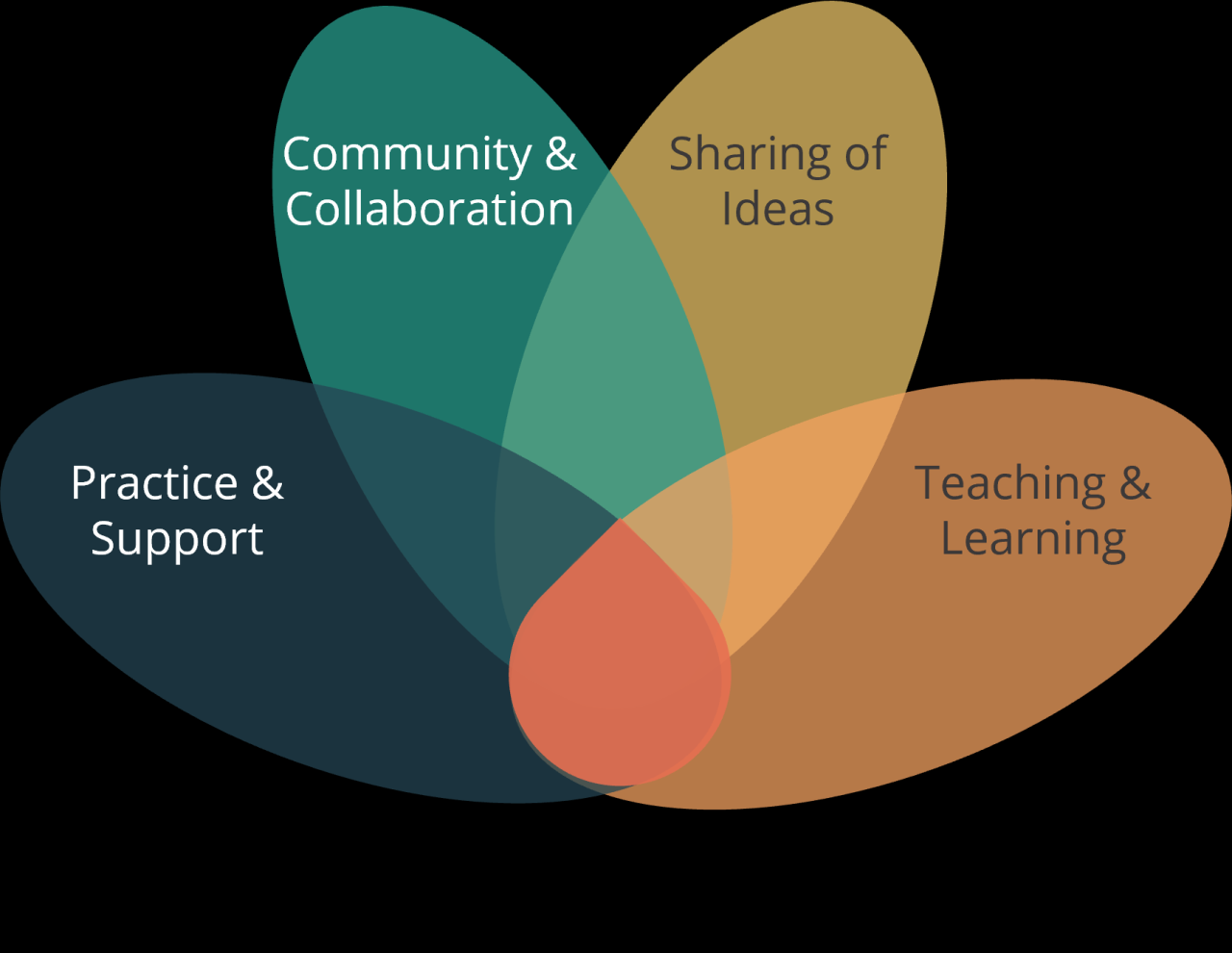
In conclusion, mastering How to Practice Mindfulness in the Digital Age is not about disconnecting entirely, but about reconnecting with ourselves and our surroundings. By implementing the strategies discussed, from setting clear boundaries to leveraging technology for self-awareness, you can reclaim your focus and presence. This journey empowers you to navigate the digital landscape with intention, fostering a more balanced and fulfilling life where technology serves your well-being rather than dictates it.