As How to Practice Mindfulness for Financial Stress takes center stage, this opening passage beckons readers into a world crafted with good knowledge, ensuring a reading experience that is both absorbing and distinctly original. We will explore the common sources and impacts of financial stress, introduce the foundational principles of mindfulness, and illustrate how a mindful approach can profoundly alter our perception of financial challenges, paving the way for greater peace and control.
This guide delves into practical mindfulness techniques designed specifically to address financial anxiety. From calming breathing exercises and tension-releasing body scans to the non-judgmental observation of money-related thoughts and emotions, we will equip you with actionable strategies to foster financial well-being, even for beginners. The aim is to cultivate a more balanced and centered relationship with your finances.
Understanding Financial Stress and Mindfulness

Financial stress is a pervasive issue that affects individuals across all demographics, impacting their well-being and decision-making. Understanding its roots and manifestations is the first step towards effectively managing it. Mindfulness, an ancient practice, offers a powerful framework for navigating these challenges with greater clarity and resilience.Financial stress arises from a variety of circumstances, often intertwined and creating a complex web of anxiety.
Recognizing these common sources is crucial for individuals to pinpoint the specific triggers in their own lives.
Common Sources of Financial Stress
The pressures of managing personal finances are multifaceted, stemming from both external economic conditions and individual circumstances. These pressures can manifest as persistent worry and can significantly detract from overall quality of life.
- Income Instability: Fluctuations in employment, freelance work, or unpredictable business income can lead to uncertainty about meeting essential expenses.
- Debt Burden: Significant credit card debt, student loans, mortgages, or medical bills can create a feeling of being overwhelmed and trapped.
- Unexpected Expenses: Emergencies such as job loss, illness, or major home/car repairs can derail financial stability and cause acute stress.
- Inadequate Savings: A lack of an emergency fund or insufficient savings for retirement can foster anxiety about future security.
- Cost of Living: Rising expenses for housing, food, healthcare, and education can strain budgets, especially for those with fixed or low incomes.
- Financial Mismanagement: Poor budgeting, impulsive spending, or a lack of financial literacy can exacerbate existing financial pressures.
The persistent presence of financial worries can take a significant toll on both mental and physical health. This prolonged state of alert affects our cognitive functions and can lead to tangible physiological changes.
Psychological and Physiological Impacts of Financial Worry
The human body and mind are not designed to operate under chronic stress. When financial concerns become a constant companion, the effects can be far-reaching, impacting everything from our mood to our physical health.
- Psychological Effects: Increased anxiety, depression, irritability, feelings of hopelessness, and a diminished sense of self-worth are common. This can also lead to social withdrawal and strained relationships.
- Physiological Effects: Chronic stress triggers the body’s “fight or flight” response, leading to elevated cortisol levels. This can result in sleep disturbances, headaches, digestive issues, weakened immune function, and an increased risk of cardiovascular problems.
Mindfulness meditation, at its core, is about cultivating a particular way of paying attention. It involves intentionally bringing one’s awareness to the present moment, non-judgmentally. This practice offers a powerful antidote to the rumination and worry that often accompany financial stress.
Core Principles of Mindfulness Meditation
The practice of mindfulness is built upon several foundational principles that guide the practitioner towards greater self-awareness and present-moment engagement. These principles are not about emptying the mind, but rather about observing its contents with a calm and accepting attitude.
- Present Moment Awareness: Focusing attention on what is happening right now, rather than dwelling on the past or worrying about the future.
- Non-Judgment: Observing thoughts, feelings, and sensations without labeling them as good or bad, right or wrong.
- Acceptance: Acknowledging experiences as they are, without trying to change or resist them. This does not imply resignation but rather a realistic appraisal of the current situation.
- Curiosity: Approaching experiences with an open and inquisitive attitude, seeking to understand rather than to judge or control.
- Intention: Approaching the practice with a clear purpose, such as to cultivate peace, clarity, or self-compassion.
By applying these core principles, individuals can begin to transform their relationship with financial challenges. Mindfulness does not eliminate financial problems, but it fundamentally alters how one perceives and responds to them.
Shifting Perception of Financial Challenges Through Mindfulness
A mindful approach to financial stress is not about ignoring problems, but about approaching them with a different internal stance. This shift in perspective can unlock new strategies and foster a sense of agency.When faced with financial difficulties, the natural inclination is often to feel overwhelmed, fearful, and reactive. Mindfulness helps to create a space between the stimulus (the financial challenge) and the response.
This space allows for more considered and effective actions. For example, instead of immediately panicking about a large bill, a mindful individual might first acknowledge the feeling of anxiety without letting it dictate their actions. They might then calmly assess the situation, explore available options, and make a plan. This is in contrast to a reactive response, which might involve avoiding the bill, leading to further penalties and stress.Mindfulness also helps to de-personalize financial setbacks.
Often, individuals experiencing financial stress may internalize their problems, believing they are failures. By observing thoughts and emotions without judgment, one can recognize that financial challenges are often systemic or circumstantial, rather than a reflection of personal worth. This can foster self-compassion and reduce the debilitating shame that can accompany financial difficulties.Furthermore, a mindful approach encourages a focus on what is within one’s control.
Instead of fixating on uncontrollable factors like the stock market or economic downturns, individuals can redirect their energy towards actionable steps such as budgeting, seeking financial advice, or developing new income streams. This focus on agency can be incredibly empowering and can reduce the feeling of helplessness.For instance, imagine an individual facing a significant unexpected expense, such as a car repair.
A non-mindful reaction might involve a spiral of negative thoughts: “I’ll never be able to afford this. My finances are ruined. I’m so irresponsible.” This can lead to avoidance and further complications. A mindful approach, however, would involve acknowledging the stress and fear (“I feel stressed and worried about this car repair”) without getting lost in the narrative. The individual might then calmly ask themselves: “What are my options?
Do I have an emergency fund? Can I get a quote from a mechanic? Can I explore payment plans?” This shift from catastrophizing to problem-solving is a direct result of cultivating present-moment awareness and non-judgmental observation.
Core Mindfulness Techniques for Financial Stress
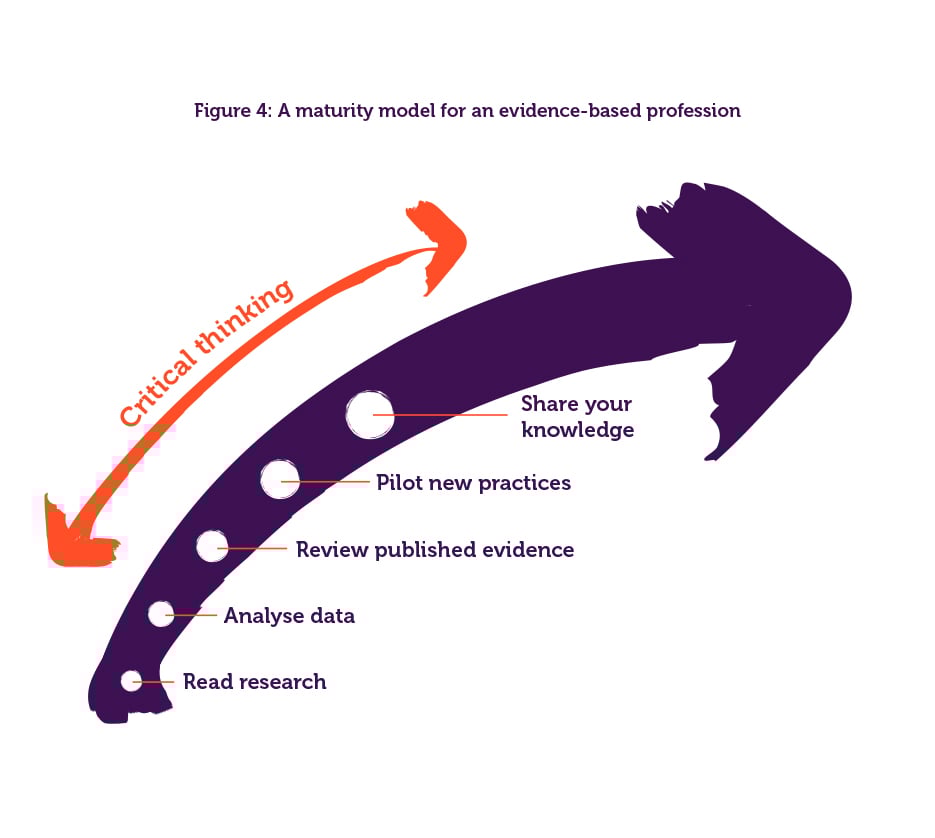
Understanding the principles of mindfulness is the first step; applying specific techniques is where transformation truly begins. These practices are designed to equip you with practical tools to navigate the emotional turbulence often associated with financial concerns. By engaging these techniques regularly, you can cultivate a greater sense of calm and clarity, enabling more effective decision-making and a more peaceful relationship with your finances.This section delves into actionable mindfulness exercises tailored to address the unique challenges of financial stress.
These methods focus on grounding yourself in the present moment, acknowledging and processing difficult emotions, and developing a more balanced perspective on monetary matters.
Breathing Exercises for Calming the Nervous System
When faced with financial anxiety, the body’s natural stress response, often called the “fight or flight” response, can be triggered. This leads to physiological symptoms like a racing heart, shallow breathing, and muscle tension. Specific breathing exercises can effectively counteract this by activating the parasympathetic nervous system, promoting relaxation and a sense of calm.One highly effective technique is diaphragmatic breathing, also known as belly breathing.
This method encourages deep, slow breaths that utilize the diaphragm, the large muscle at the base of the lungs.To practice diaphragmatic breathing:
- Find a comfortable seated or lying position.
- Place one hand on your chest and the other on your belly, just below your rib cage.
- Inhale slowly and deeply through your nose, feeling your belly rise as your diaphragm expands. Your chest should move minimally.
- Exhale slowly through your mouth, gently drawing your belly button towards your spine.
- Continue this pattern for several minutes, focusing on the sensation of your breath.
Another beneficial technique is the 4-7-8 breathing method, which can quickly induce a state of relaxation.
- Inhale quietly through your nose for a count of 4.
- Hold your breath for a count of 7.
- Exhale completely through your mouth with a whooshing sound for a count of 8.
- Repeat this cycle for at least four breaths.
The deliberate counting and prolonged exhale signal to your brain that you are safe, thereby calming the nervous system.
Guided Body Scan Meditation for Releasing Tension
Financial worries can manifest as physical tension, often held unconsciously in various parts of the body. A body scan meditation is a practice that systematically brings awareness to different areas of the body, noticing any sensations without judgment. This can help to release accumulated tension and promote a deeper sense of physical and mental relaxation.Here is a script for a guided body scan meditation, focusing on areas commonly affected by financial stress:Begin by finding a comfortable position, either lying down or seated.
Close your eyes gently if that feels comfortable. Take a few moments to settle into your posture, allowing your body to feel supported.Bring your awareness to your breath, noticing the gentle rise and fall of your chest or abdomen. Allow your breath to become natural, without trying to change it.Now, bring your attention to your feet. Notice any sensations present in your toes, the soles of your feet, and your heels.
Are they warm or cool? Tingling? Heavy or light? Simply observe without needing to do anything.Gently move your awareness up to your ankles and calves. Notice any tightness or relaxation in these areas.
If you find tension, imagine breathing into that area and exhaling the tension away.Continue to your knees and thighs. Pay attention to any sensations here. Often, stress can cause a clenching in the thighs. See if you can soften those muscles with each exhale.Bring your awareness to your hips and pelvis. This area can hold a lot of stored stress.
Allow your hips to feel heavy and supported.Now, bring your attention to your abdomen and lower back. Notice the gentle movement of your breath in your belly. If you feel any knots or tightness in your lower back, breathe into that space and gently release with your exhale.Move your awareness to your chest and upper back. Notice the expansion of your chest with each inhale.
If you feel any constriction or tightness, imagine softening around your heart.Bring your attention to your shoulders and neck. This is a common area for tension to accumulate due to financial pressures. Consciously allow your shoulders to drop away from your ears. Soften your neck and jaw.Now, bring your awareness to your arms, forearms, and hands. Notice any sensations in your fingers.
Allow your hands to rest gently.Finally, bring your attention to your face and head. Soften your forehead, your eyes, your cheeks, and your jaw. Let go of any tension you might be holding in your scalp.Take a moment to feel your entire body as a whole, breathing and present. When you are ready, gently wiggle your fingers and toes, and slowly open your eyes.
Mindful Observation of Financial Thoughts and Emotions
Financial stress often triggers a cascade of negative thoughts and emotions, such as fear, worry, shame, or inadequacy. The tendency is to either suppress these feelings or get caught up in a cycle of rumination. Mindful observation involves acknowledging these thoughts and emotions as they arise, observing them without judgment, and understanding that they are temporary mental events, not absolute truths.This practice is not about eliminating negative thoughts but about changing your relationship with them.
By observing them with curiosity and non-reactivity, you create space between yourself and the thought or emotion, reducing their power over you.To cultivate mindful observation:
- When a financial thought or emotion arises (e.g., “I’ll never be able to pay off this debt”), acknowledge it internally without labeling it as good or bad. You might say to yourself, “Ah, there’s a thought about debt,” or “I’m noticing a feeling of worry.”
- Observe the physical sensations associated with the thought or emotion. Where do you feel it in your body? Is it a tightness in your chest, a knot in your stomach?
- Recognize that thoughts are not facts. They are interpretations or predictions. Remind yourself that this thought is just a mental event passing through.
- Gently redirect your attention back to your breath or the present moment. If the thought or emotion reappears, repeat the process of acknowledging and observing.
This practice is akin to watching clouds drift across the sky. The clouds (thoughts and emotions) come and go, but the sky (your awareness) remains constant. Over time, this practice helps to de-escalate emotional reactivity and fosters a more balanced and objective perspective on financial challenges.
Short Daily Mindfulness Practice for Financial Well-being
Integrating mindfulness into your daily routine, even for a few minutes, can have a profound impact on managing financial stress. This short practice is designed for beginners and focuses on cultivating present-moment awareness in relation to your financial life.The “Three Breaths and a Check-In” practice:This exercise can be done anywhere, anytime, and takes less than two minutes.
1. Three Conscious Breaths
Pause wherever you are.
Take three slow, deep breaths, focusing on the sensation of the breath entering and leaving your body. Feel your belly rise and fall. This simple act anchors you in the present moment and calms your nervous system.
2. Financial Check-In
Gently bring your attention to your current financial situation. What thoughts or emotions are present?
Notice any sensations in your body related to your finances.
Observe these without judgment. Simply acknowledge what is there. For example, you might notice a thought like, “I’m worried about my upcoming bill,” or a feeling of tightness in your shoulders.
3. Gentle Acknowledgment and Release
Mentally acknowledge what you’ve noticed. You might say to yourself, “I’m noticing worry about bills,” or “There’s some tension in my chest.” With your next exhale, imagine gently releasing some of that tension or worry. You are not trying to make it disappear, but rather to create a little more space around it.This brief practice can be performed before checking emails, before a financial meeting, or at any point during the day when you feel financial stress creeping in.
Consistency is key; aim to do this at least once a day to build a habit of mindful financial awareness.
Practical Application of Mindfulness in Financial Decision-Making
Moving beyond understanding the nature of financial stress and its connection to mindfulness, this section delves into the actionable steps you can take to integrate mindful practices into your daily financial life. By applying these techniques, you can transform reactive financial behaviors into considered, intentional choices, leading to greater peace of mind and improved financial well-being.
Mindful Spending Habits and Impulse Control Strategies
Cultivating mindful spending involves bringing awareness to your purchasing decisions, understanding the motivations behind them, and developing strategies to resist impulsive actions. This approach shifts the focus from deprivation to conscious choice, ensuring that your spending aligns with your values and financial goals.
- Pause Before Purchasing: Before making any non-essential purchase, take a moment to pause. Ask yourself: “Do I truly need this? Does this align with my financial goals? What is the emotional driver behind this desire?” This brief interlude can interrupt the automatic impulse to buy.
- Identify Triggers: Recognize the situations, emotions, or environments that tend to lead to impulse spending. Common triggers include stress, boredom, social media advertisements, or shopping as a form of retail therapy. Once identified, you can develop coping mechanisms for these triggers that do not involve spending.
- Differentiate Needs vs. Wants: This fundamental mindfulness practice requires an honest assessment of your expenditures. Distinguishing between essential needs and discretionary wants is crucial for making informed spending decisions.
- Set Spending Limits: Establish daily, weekly, or monthly limits for discretionary spending in specific categories. When you approach a limit, treat it as a signal to pause and re-evaluate further spending.
- Practice Delayed Gratification: For larger or non-essential purchases, implement a waiting period. For instance, wait 24-48 hours before buying something you want. This allows the initial impulse to subside and gives you time for a more rational evaluation.
Techniques for Mindful Budgeting and Financial Planning
Mindful budgeting and financial planning are not about rigid restriction, but rather about creating a clear, intentional roadmap for your money that reduces anxiety and fosters a sense of control. By approaching these tasks with presence and awareness, you can make them less daunting and more empowering.
- Regular Check-ins: Schedule dedicated, calm times to review your budget and financial plan, perhaps weekly or bi-weekly. Treat these sessions as opportunities for mindful reflection, not as chores.
- Visualize Your Goals: Connect your budget to your aspirations. When planning, visualize the future you are working towards—whether it’s a down payment, a vacation, or financial security. This emotional connection can enhance motivation and adherence.
- Embrace Flexibility: Recognize that life is dynamic. A mindful budget is adaptable. Instead of viewing deviations as failures, see them as opportunities to adjust and learn, bringing a non-judgmental attitude to unexpected expenses or income changes.
- Focus on What You Can Control: In financial planning, it’s easy to get overwhelmed by external factors. Mindfulness encourages focusing your energy on the aspects of your finances that are within your influence, such as your spending, saving, and debt repayment strategies.
- Use Budgeting Tools Mindfully: Whether using an app, spreadsheet, or notebook, engage with your budgeting tool with intention. Regularly update it and review the information it provides without letting it become a source of stress.
Approaching Debt Management with a Non-Reactive Mindset
Debt can be a significant source of financial stress. Approaching debt management with a mindful, non-reactive mindset allows you to tackle it systematically and with less emotional turmoil, fostering a sense of agency rather than overwhelm.
- Acknowledge Without Judgment: The first step is to acknowledge the reality of your debt without resorting to self-criticism or shame. Recognize that many people face debt, and it is a solvable problem.
- Break Down the Problem: Large debt figures can feel insurmountable. Break down your debt into smaller, manageable components. Focus on understanding each debt individually—its balance, interest rate, and minimum payment.
- Develop a Strategy: Based on your understanding, create a debt repayment plan, such as the debt snowball or debt avalanche method. Choose the method that best resonates with your psychological approach to motivation and progress.
- Focus on Small Wins: Celebrate milestones, such as paying off a small debt or making an extra payment. These small victories reinforce positive behavior and build momentum, preventing discouragement.
- Practice Patience and Persistence: Debt reduction is often a long-term endeavor. Cultivate patience with the process and persistence in your efforts, understanding that consistent, mindful action will yield results over time.
The Concept of Gratitude in Relation to Current Financial Circumstances
Gratitude, when applied to finances, shifts your perspective from scarcity and dissatisfaction to appreciation for what you currently have. This practice can profoundly reduce financial anxiety and foster contentment, regardless of your current financial standing.
- Appreciate What You Have: Take time to consciously acknowledge and appreciate the financial resources you currently possess, no matter how modest they may seem. This could include having a roof over your head, food on the table, or a stable income, even if it’s not ideal.
- Recognize Past Progress: Reflect on how far you’ve come financially. Acknowledge any improvements, savings, or debt reductions you’ve achieved in the past. This retrospective gratitude can highlight your resilience and capability.
- Focus on Abundance, Not Lack: Instead of dwelling on what you lack, consciously shift your focus to what you have. For example, if you can’t afford a luxury item, express gratitude for the ability to afford necessities or for the opportunity to save towards future goals.
- Express Gratitude for Lessons Learned: Even challenging financial situations can offer valuable lessons. Be grateful for the wisdom gained from past mistakes or difficult times, as this knowledge is an invaluable asset for future decision-making.
- Practice Daily Gratitude: Make it a habit to identify at least one financial aspect you are grateful for each day. This could be as simple as gratitude for your paycheck, the availability of affordable goods, or the support of a financial advisor.
Cultivating a Mindful Financial Mindset
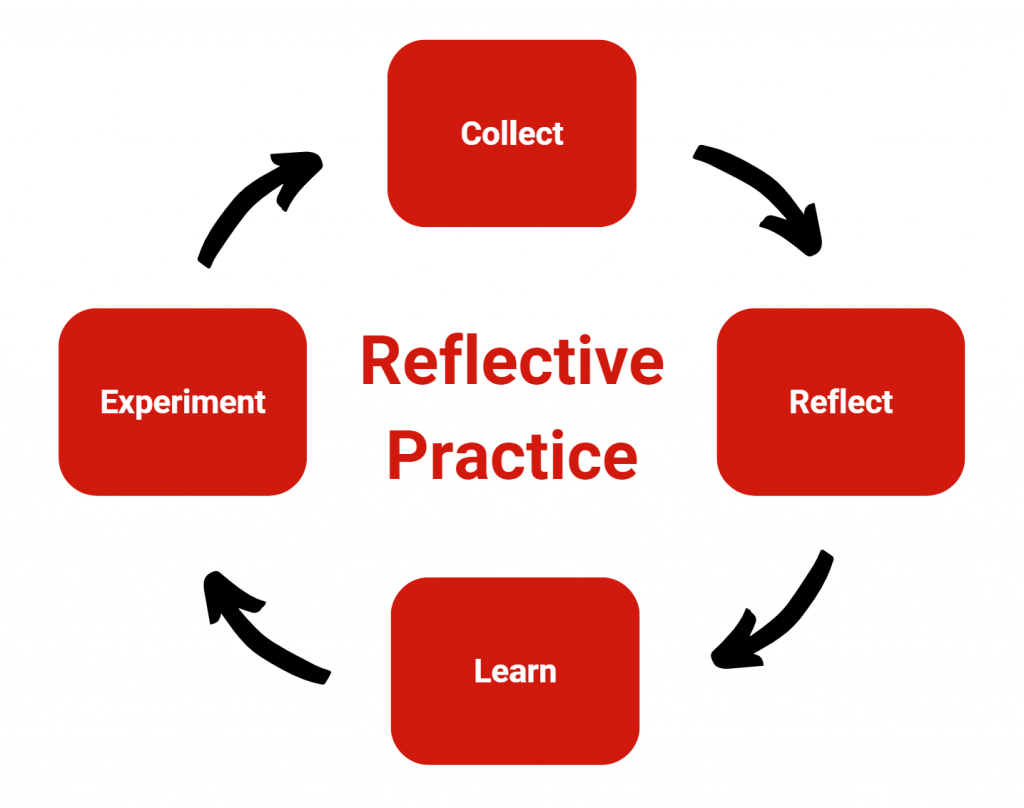
Moving beyond simply understanding and applying mindfulness techniques, the next crucial step is to integrate this awareness into your core financial perspective. This involves actively shaping how you think and feel about money, transforming potential stressors into opportunities for growth and calm. A mindful financial mindset is not about eliminating challenges, but about approaching them with clarity, resilience, and a deep sense of inner peace.This section will guide you through actionable strategies to foster a healthier and more constructive relationship with your finances.
By consciously cultivating specific mental habits, you can build a foundation of financial well-being that is both sustainable and empowering, allowing you to navigate your financial journey with greater confidence and less anxiety.
Reframing Negative Self-Talk About Money
Our internal dialogue significantly impacts our financial behavior and emotional state. Negative self-talk, often fueled by past experiences or societal pressures, can create a cycle of anxiety and self-sabotage. By consciously identifying and challenging these detrimental thought patterns, we can replace them with more supportive and realistic affirmations, fostering a more positive financial outlook.Strategies to reframe negative self-talk include:
- Identify the thought: Become aware of the specific negative statements you make about money. Common examples include “I’m terrible with money,” “I’ll never be financially secure,” or “I don’t deserve to be wealthy.”
- Challenge its validity: Ask yourself if these thoughts are truly accurate or if they are based on assumptions, fears, or past failures. Consider evidence that contradicts the negative thought. For instance, if you think you’re terrible with money, recall instances where you successfully managed a budget or saved for a goal.
- Replace with balanced affirmations: Substitute negative thoughts with more constructive and realistic statements. Instead of “I’m terrible with money,” try “I am learning to manage my finances effectively, and I am making progress.” Instead of “I’ll never be financially secure,” consider “I am taking steps towards financial security, and I can build a stable future.”
- Focus on learning and growth: Frame financial challenges as learning opportunities rather than personal failings. Acknowledge that everyone makes mistakes, and the key is to learn from them and adapt your strategies.
- Practice gratitude: Regularly acknowledge what you do have, rather than focusing on what you lack. This can shift your perspective from scarcity to abundance, even in challenging financial times.
Developing Patience and Acceptance Regarding Financial Progress
The pursuit of financial goals often involves a long-term perspective, and it’s natural to feel impatient or frustrated when progress seems slow. Cultivating patience and acceptance means understanding that financial growth is rarely linear and that setbacks are a normal part of the journey. This mindset shift helps reduce stress and allows for more sustainable progress.Key approaches to fostering patience and acceptance include:
- Acknowledge the long game: Recognize that significant financial achievements, such as building wealth or achieving financial independence, take time and consistent effort. Avoid comparing your progress to others, as everyone’s circumstances and timelines are unique.
- Celebrate small wins: Break down larger financial goals into smaller, manageable steps. Actively acknowledge and celebrate the completion of these smaller milestones. This provides a sense of accomplishment and reinforces positive momentum.
- Embrace imperfection: Understand that not every financial decision will be perfect, and not every month will see significant gains. Accept that deviations from the plan can happen and are opportunities to learn and adjust, rather than reasons for despair.
- Focus on process, not just outcome: Shift your attention from solely the end result to the daily habits and actions that contribute to your financial well-being. Practicing mindful spending, diligent saving, and informed investing are valuable in themselves, regardless of immediate financial outcomes.
- Mindful observation of emotions: When feelings of impatience or frustration arise, observe them without judgment. Acknowledge these emotions as temporary states and remind yourself of your long-term commitment and the progress you have already made.
Setting Realistic Financial Goals from a Place of Calm Intention
When we approach goal-setting from a place of anxiety or desperation, our objectives may become unrealistic or driven by immediate gratification. A mindful approach to financial goal-setting involves establishing intentions rooted in a calm, clear, and realistic assessment of your current situation and future aspirations.Methods for setting realistic financial goals include:
- Conduct a thorough financial assessment: Before setting goals, gain a clear understanding of your current income, expenses, debts, and assets. This forms the basis for realistic planning.
- Align goals with values: Consider what truly matters to you. Are your financial goals aligned with your personal values and life priorities? This ensures your goals are meaningful and sustainable.
- Use the SMART framework mindfully: Ensure your goals are Specific, Measurable, Achievable, Relevant, and Time-bound. However, add a layer of mindfulness by considering the emotional impact and potential stress associated with achieving these goals. For example, an “achievable” goal should also be achievable without undue hardship or constant anxiety.
- Visualize success with calm: Imagine yourself successfully achieving your financial goals, but do so with a sense of peace and contentment, not with an anxious urgency. This visualization should feel empowering and achievable.
- Develop contingency plans: Acknowledge that unexpected events can occur. Build flexibility into your goals and create backup plans to address potential challenges without derailing your overall progress.
Practicing Self-Compassion When Financial Setbacks Occur
Financial setbacks are an inevitable part of life for many. In these moments, it’s crucial to respond with self-compassion rather than harsh self-criticism. Self-compassion involves treating yourself with the same kindness, understanding, and support you would offer a dear friend facing similar difficulties.Techniques for practicing self-compassion during financial setbacks include:
- Acknowledge your suffering: Recognize that experiencing financial difficulties is painful and challenging. Validate your feelings of disappointment, frustration, or fear without judgment.
- Recognize common humanity: Understand that you are not alone in facing financial struggles. Many people experience similar setbacks, and it is a shared human experience. This realization can reduce feelings of isolation.
- Offer yourself kindness: Speak to yourself in a gentle and supportive manner. Instead of berating yourself for mistakes, acknowledge that you are doing your best given the circumstances. For example, instead of thinking “I’m so stupid for making that investment,” try “This was a difficult situation, and I made the best decision I could at the time. I can learn from this.”
- Practice mindful self-reflection: Gently explore what led to the setback without dwelling on blame. Focus on understanding the situation and identifying lessons learned for future decision-making.
- Seek support: Don’t hesitate to reach out to trusted friends, family members, or financial professionals for emotional support and practical advice. Sharing your experience can alleviate distress and provide new perspectives.
Integrating Mindfulness into Daily Financial Routines

Embracing mindfulness in our financial lives isn’t just about grand gestures; it’s about weaving gentle, aware practices into the fabric of our everyday routines. This approach transforms mundane financial tasks into opportunities for self-awareness, stress reduction, and more intentional decision-making. By integrating mindfulness, we shift from a reactive stance to a proactive, grounded relationship with our money.This section will explore practical ways to embed mindfulness into your weekly financial management, from quick check-ins to daily habits, fostering a more peaceful and empowered financial experience.
Sample Weekly Schedule for Mindful Financial Management
A structured yet flexible approach can significantly enhance the effectiveness of integrating mindfulness into your financial routines. This sample schedule provides a framework, which can be adapted to individual needs and lifestyles, ensuring that financial awareness becomes a consistent practice rather than an occasional effort.Here is a sample weekly schedule incorporating mindfulness practices:
- Monday: Financial Review and Intention Setting
- Morning (5-10 minutes): Begin the week with a mindful check-in. Sit quietly, take a few deep breaths, and acknowledge any feelings related to your finances. Set a positive intention for the week, such as “I will approach my finances with clarity and calm.”
- Evening (10-15 minutes): Briefly review your upcoming financial obligations for the week. This could involve looking at your calendar for bill due dates or upcoming expenses. Approach this review with a non-judgmental attitude, simply observing what needs attention.
- Tuesday: Mindful Spending Awareness
- Throughout the day: Before making any non-essential purchase, pause for a moment. Ask yourself: “Do I truly need this? Does it align with my values and financial goals? How does this purchase make me feel?” This simple pause can prevent impulsive spending.
- Wednesday: Bill Payment Ritual
- Evening (15-20 minutes): When paying bills, treat it as a mindful ritual rather than a chore. As you process each payment, acknowledge the service or product you are receiving in exchange for your money. Express gratitude for the resources that allow you to meet these obligations. Focus on your breath and remain present during the task.
- Thursday: Gratitude and Abundance Practice
- Morning or Evening (5-10 minutes): Reflect on what you are grateful for financially. This could be a stable income, a paid-off debt, or even a small unexpected windfall. Focusing on abundance, rather than scarcity, can shift your financial perspective positively.
- Friday: Financial Planning and Future Visualization
- Lunch Break or Evening (10-15 minutes): Dedicate time to review your short-term and long-term financial goals. Visualize yourself achieving these goals with a sense of peace and accomplishment. This mental rehearsal can reinforce motivation and reduce anxiety about the future.
- Saturday: Reviewing Bank Statements Mindfully
- Morning (15-20 minutes): Approach your bank statements with curiosity and without judgment. Look at your spending patterns and income. If you notice areas where you overspent, acknowledge it without self-criticism. Instead, see it as an opportunity to learn and adjust.
- Sunday: Rest and Financial Reflection
- Afternoon (10-15 minutes): Engage in a brief, gentle reflection on your financial well-being. Consider what felt good this week and what challenges arose. Without dwelling on negatives, simply observe and allow for a sense of ease.
Mindful Check-ins Before Significant Financial Decisions
The act of making a significant financial decision, whether it’s investing, taking out a loan, or making a large purchase, often triggers emotional responses. A mindful check-in serves as a crucial pause, allowing you to connect with your inner state before committing to a course of action. This practice helps to ensure that decisions are driven by clarity and intention, rather than by fear, excitement, or external pressure.To perform a mindful check-in before a significant financial decision:
- Find a Quiet Space: Step away from distractions, if possible, and find a place where you can sit or stand comfortably for a few minutes.
- Focus on Your Breath: Close your eyes gently or soften your gaze. Take three to five slow, deep breaths, inhaling through your nose and exhaling through your mouth. Feel the sensation of the breath entering and leaving your body.
- Scan Your Body: Bring your awareness to your physical sensations. Notice any tension in your shoulders, jaw, or stomach. Simply acknowledge these sensations without trying to change them.
- Observe Your Emotions: Identify the emotions that arise in relation to the financial decision. Are you feeling excited, anxious, hopeful, fearful, or a combination? Name these emotions without judgment.
- Clarify Your Intentions: Ask yourself why this decision is important to you. What are your underlying motivations and values? Ensure the decision aligns with your broader life goals and principles.
- Consider the Information Objectively: With a calmer mind, review the facts and figures associated with the decision. Try to detach from the emotional charge and assess the information rationally.
- Return to Your Breath: Before making the final decision, take another few deep breaths to ground yourself.
Mindful Engagement During Bill Payment and Statement Review
The routine tasks of paying bills and reviewing bank statements can often be sources of stress or boredom. By infusing mindfulness into these activities, you can transform them into opportunities for financial awareness and a deeper understanding of your financial flow. This mindful approach helps to demystify these processes and fosters a sense of control and appreciation.When paying bills mindfully:
- Single-Tasking: Focus solely on the bill payment process. Avoid multitasking or letting your mind wander to other stressors.
- Appreciation for Services: As you pay for utilities, rent, or loans, take a moment to appreciate the services or shelter these payments provide. Recognize the value they bring to your life.
- Gratitude for Resources: Acknowledge with gratitude the income and resources that enable you to meet these financial obligations.
- Calm Observation: Approach the numbers and amounts with a calm, observational attitude, rather than with dread or urgency.
When reviewing bank statements mindfully:
- Curiosity, Not Judgment: View your statements as a neutral report of your financial activity. Approach them with curiosity to understand your spending habits.
- Pattern Recognition: Notice trends in your spending without self-criticism. Are there areas where you consistently spend more than you intended?
- Mindful Spending Choices: If you identify areas of overspending, consider them as opportunities to make more conscious choices in the future. This is about learning and adjusting, not about blame.
- Celebrate Progress: Acknowledge and appreciate any positive financial movements, such as savings growth or debt reduction, no matter how small.
Mindful Affirmations for Financial Security and Abundance
Affirmations are positive statements that, when repeated regularly, can help to reprogram your subconscious mind and shift your beliefs and attitudes. When used mindfully, these affirmations can foster a sense of financial security and cultivate an abundance mindset, countering feelings of scarcity and stress.Here is a list of mindful affirmations related to financial security and abundance:
- “I am capable of managing my finances with wisdom and ease.”
- “Money flows to me easily and effortlessly from multiple sources.”
- “I am grateful for the abundance that surrounds me and is available to me.”
- “My financial well-being is secure and constantly growing.”
- “I make conscious and intentional financial decisions that serve my highest good.”
- “I trust in my ability to create financial stability and prosperity.”
- “I release all fear and doubt surrounding money.”
- “I am a magnet for financial opportunities and positive financial outcomes.”
- “My needs are always met, and I have more than enough.”
- “I approach my financial journey with peace, confidence, and gratitude.”
Visualizing and Describing Mindful Financial Scenarios
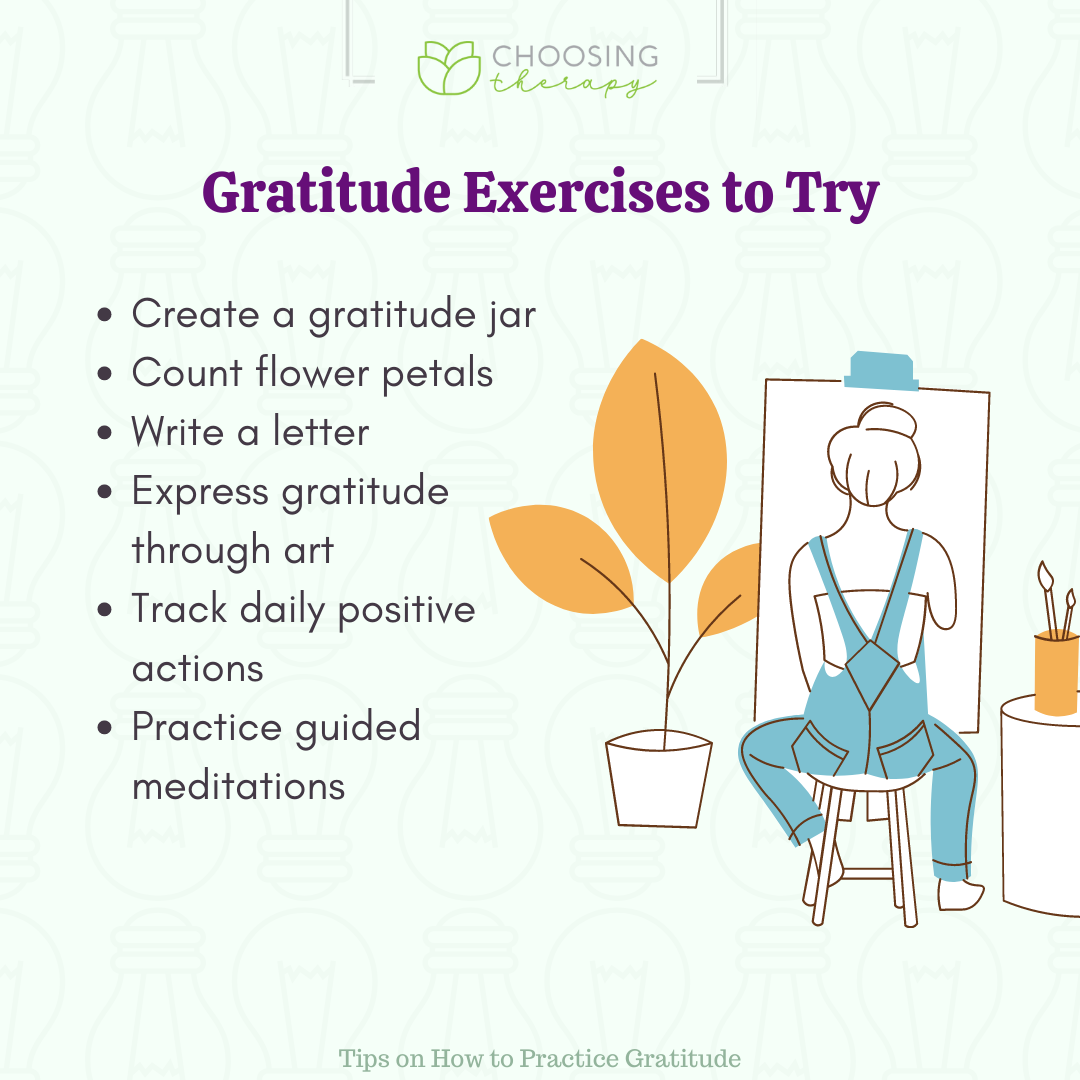
Embracing mindfulness in our financial lives extends beyond mere techniques; it involves cultivating a vivid internal landscape where financial decisions are approached with calm and clarity. This section explores how visualization can transform our perception of financial management, making it a more serene and empowering experience. By painting mental pictures of ideal financial states and outcomes, we can reinforce positive habits and build resilience against stress.The power of visualization lies in its ability to engage our emotions and senses, making abstract financial concepts more tangible and relatable.
When we can vividly imagine ourselves acting mindfully with our finances, we are more likely to embody those behaviors in reality. This practice helps to bridge the gap between intention and action, fostering a proactive and peaceful approach to our financial well-being.
The Sensory Experience of Mindful Budget Review
Imagine yourself seated at a comfortable desk, perhaps near a window with soft natural light. The air is still, and the only sounds are the gentle rustling of papers or the quiet hum of a computer. You are reviewing your budget, not with a sense of dread or obligation, but with a calm curiosity. Feel the smooth texture of the paper or the cool surface of your laptop.
Notice the organized columns and rows of numbers, each representing a part of your financial life. There is no judgment, only observation. You might take a slow, deep breath, feeling your shoulders relax as you gently trace the figures with your eyes. The process is methodical, deliberate, and free from the urgency or anxiety that often accompanies financial tasks. This mindful engagement allows for a clear understanding of your financial flow, fostering a sense of control and proactive management.
The Feeling of Peace and Clarity in Mindful Financial Choices
When a mindful financial choice is made, it is often accompanied by a profound sense of peace and clarity. This is not the absence of challenge, but the presence of inner stillness that allows for rational thought and informed decision-making. The feeling is akin to stepping out of a chaotic storm into a quiet, sunlit room. There is a release of tension in the chest and a settling of the mind.
Instead of being overwhelmed by options or potential negative outcomes, you experience a quiet confidence. The path forward, though it may still involve effort, feels clear and manageable. This state of being allows for decisions that align with your long-term goals and values, rather than being driven by impulse or fear.
A Narrative of Navigating Financial Challenges Mindfully
Consider Sarah, a single mother who recently faced an unexpected job loss. In the initial shock, her mind raced with worst-case scenarios, fueling anxiety. However, drawing upon her practice of mindfulness, she paused. She consciously took several deep breaths, grounding herself in the present moment. Instead of succumbing to panic, she sat down with her finances, not to dwell on what was lost, but to assess her current resources with a clear head.
She mindfully reviewed her savings, identified essential expenses, and explored potential income streams. This calm, deliberate approach allowed her to create a realistic plan, contact creditors proactively, and explore available support systems without being paralyzed by fear. Her mindful perspective enabled her to navigate this significant financial challenge with resilience and a sense of agency, ultimately finding a new, stable position within a few months.
The Still Lake: A Visual Metaphor for Financial Calm
The visual metaphor of a still lake beautifully represents a calm financial state amidst external turbulence. Imagine a vast, serene lake, its surface perfectly smooth, reflecting the clear blue sky above. This is your financial well-being when approached with mindfulness. Now, picture strong winds whipping up waves on a distant shore, or storms gathering on the horizon. These represent external financial pressures – unexpected bills, market fluctuations, or economic uncertainties.
However, at the center of the lake, the water remains undisturbed, a tranquil oasis of calm. This stillness at the core is your mindful financial mindset. While the external environment may be chaotic, your internal state of awareness and calm allows you to observe these disturbances without being swept away by them, maintaining your balance and making measured responses.
Advanced Mindfulness Strategies for Persistent Financial Stressors
As we delve deeper into managing financial stress, it’s essential to equip ourselves with advanced techniques that can help navigate persistent challenges and build lasting resilience. These strategies go beyond basic awareness, focusing on transforming our relationship with money and the anxieties it can generate. By integrating these practices, we can cultivate a more stable and peaceful financial future.Persistent financial stressors often have roots in deeper emotional patterns and societal conditioning.
Advanced mindfulness offers a pathway to address these underlying issues, fostering a profound shift in how we perceive and interact with our financial lives. This section explores powerful methods to unpack anxieties, build mental fortitude, and communicate more effectively about money.
Mindful Journaling for Exploring Financial Anxieties
Journaling provides a safe and introspective space to uncover the root causes of financial stress. By consistently documenting thoughts, feelings, and behaviors related to money, we can identify recurring patterns and triggers that fuel anxiety. This practice allows for a non-judgmental exploration of our deepest financial fears and insecurities, paving the way for understanding and healing.To effectively use mindful journaling for financial anxieties, consider the following approach:
- Set a consistent time and space: Dedicate a quiet period each day or week to journaling, free from distractions.
- Start with prompts: Use open-ended questions to guide your reflections. Examples include: “What is my biggest financial worry right now, and what does it feel like in my body?”, “When did I first start feeling anxious about money, and what might have been the cause?”, “What beliefs do I hold about wealth and scarcity?”, “How do my spending habits reflect my emotional state?”, and “What would financial peace look like for me?”.
- Observe without judgment: Write down whatever comes to mind without censoring or criticizing your thoughts. The goal is to observe, not to solve or judge.
- Identify patterns: After a few weeks, review your entries to notice recurring themes, emotions, or behavioral patterns related to your finances. This might reveal connections between your mood and spending, or specific situations that trigger stress.
- Acknowledge and validate: Recognize that your anxieties are valid and a natural response to challenging circumstances. Simply acknowledging these feelings can reduce their power.
Advanced Meditation Techniques for Resilience Against Financial Shocks
Building resilience against financial shocks requires a deeper level of mental and emotional fortitude, which advanced meditation techniques can foster. These practices train the mind to remain calm and centered, even when faced with unexpected financial setbacks, allowing for clearer decision-making and a reduced emotional impact.Explore these advanced meditation techniques to enhance your resilience:
- Body Scan Meditation with a Focus on Financial Sensations: While a standard body scan focuses on physical sensations, this adaptation specifically directs attention to any tightness, unease, or discomfort in the body that arises when thinking about financial matters. By observing these sensations without judgment and with gentle curiosity, we can begin to decouple the physical response from the emotional distress. For instance, one might notice a knot in their stomach when considering a large bill, and with mindful awareness, learn to observe this sensation without immediately spiraling into panic.
- Loving-Kindness Meditation (Metta) for Self-Compassion: Financial stress can often lead to self-criticism and feelings of inadequacy. Metta meditation cultivates compassion towards oneself and others, which is crucial for navigating financial difficulties. By silently repeating phrases like “May I be free from financial worry,” “May I be content with what I have,” and “May I find peace in my financial situation,” we can soften our inner critic and foster a more supportive internal dialogue.
This can be particularly helpful when facing debt or income instability.
- Mindful Acceptance Meditation: This technique involves acknowledging and accepting the current financial reality, however challenging, without resistance. Instead of fighting against the situation, we practice observing it with a sense of openness. For example, if facing unexpected job loss, one would acknowledge the fear and uncertainty without trying to immediately fix it, but rather by observing the emotions as they arise and pass.
This acceptance is not resignation but a powerful first step towards constructive action.
- Visualization for Financial Security and Abundance: This practice involves vividly imagining a desired financial future. This is not about wishful thinking but about creating a mental blueprint for what you want to achieve. Visualize yourself confidently managing your budget, experiencing the peace of having savings, or enjoying the fruits of your labor. The more detailed and sensory the visualization, the more impactful it can be in shifting your mindset and motivating positive actions.
Mindful Communication with Partners or Family About Financial Matters
Open and honest communication about finances is vital for healthy relationships, especially when stress is present. Mindfulness can transform these conversations from potential conflict zones into opportunities for connection and collaborative problem-solving. By approaching discussions with presence, empathy, and clarity, we can build trust and work together towards shared financial goals.To foster mindful communication regarding finances, consider these methods:
- Active Listening: When your partner or family member speaks about financial concerns, listen with your full attention. Put away distractions, make eye contact, and resist the urge to interrupt or formulate your response while they are speaking. Try to understand their perspective and the emotions behind their words.
- Empathetic Response: Acknowledge and validate their feelings, even if you don’t fully agree with their viewpoint. Phrases like, “I hear how worried you are about this,” or “It sounds like this is causing you a lot of stress,” can create a sense of understanding and reduce defensiveness.
- Expressing Your Own Needs Clearly and Calmly: When it’s your turn to speak, express your thoughts and feelings using “I” statements. For example, instead of saying “You always overspend,” try “I feel anxious when our spending exceeds our budget because I worry about our savings.” This focuses on your experience without placing blame.
- Pausing Before Responding: If a conversation becomes heated or emotionally charged, take a mindful pause. This could involve a few deep breaths or a brief moment of silence to gather your thoughts and prevent reactive responses.
- Collaborative Problem-Solving: Frame financial discussions as a team effort. Instead of individual demands, focus on finding solutions together. Ask questions like, “How can we work together to address this?” or “What are some ideas we can explore as a couple/family?”
Using Mindfulness to Detach from Societal Pressures Related to Wealth and Status
Modern society often places significant emphasis on wealth and status as indicators of success and happiness, creating immense pressure to conform. Mindfulness offers a powerful antidote to these external expectations, allowing us to define our own values and find contentment independent of material possessions or social standing. By cultivating inner awareness, we can liberate ourselves from the constant pursuit of external validation.The following strategies can help detach from societal pressures related to wealth and status:
- Cultivating Gratitude: Regularly practicing gratitude shifts focus from what we lack to what we possess. This can involve daily journaling of things you are thankful for, no matter how small. For example, appreciating a healthy meal, a supportive friend, or a moment of peace can counter the feeling that you are not “enough” based on material wealth.
- Defining Personal Values: Identify what truly matters to you beyond material possessions or societal approval. This might include relationships, personal growth, creativity, health, or contributing to the community. When your actions are aligned with your core values, external pressures lose their influence.
- Mindful Consumption: Become aware of the impulse to spend money driven by the desire to impress others or keep up with trends. Before making a purchase, pause and ask yourself if it genuinely aligns with your needs and values, or if it’s a response to external pressure.
- Observing Social Media Critically: Recognize that social media often presents a curated and idealized version of reality, particularly concerning wealth and lifestyle. Practice mindful engagement by observing these portrayals without internalizing them as personal benchmarks. Remind yourself that true well-being is not solely determined by outward appearances or possessions.
- Focusing on Inner Wealth: Shift your definition of wealth to include non-material assets such as knowledge, skills, experiences, strong relationships, and inner peace. Recognize that these aspects contribute more significantly to a fulfilling life than material accumulation.
Ultimate Conclusion
In conclusion, by integrating these mindful practices into our daily lives, we can transform our relationship with money from one of stress and reactivity to one of calm intention and proactive decision-making. This journey empowers us to navigate financial complexities with greater clarity, resilience, and self-compassion, ultimately fostering a more secure and abundant financial future.