How to Practice Mindfulness for a Positive Body Image sets the stage for this enthralling narrative, offering readers a glimpse into a story that is rich in detail with formal and friendly language style and brimming with originality from the outset.
This guide delves into the profound connection between mindfulness and how we perceive our physical selves. We will explore the fundamental principles of mindfulness meditation and its direct impact on cultivating a positive body image, navigating societal pressures, and fostering a more accepting relationship with our bodies through practical techniques and self-compassion.
Understanding the Core Concepts of Mindfulness and Body Image
Embarking on a journey to cultivate a positive body image through mindfulness involves understanding the foundational principles of both concepts and their intricate connection. Mindfulness, at its heart, is about paying attention to the present moment without judgment. When applied to our bodies, it means observing our physical sensations, thoughts, and emotions related to our appearance with a gentle, curious awareness.
A positive body image, conversely, is a realistic perception of one’s body that acknowledges and appreciates its unique qualities, capabilities, and inherent worth, independent of societal ideals or external validation.The synergy between mindfulness and body image lies in its ability to shift our relationship with ourselves from one of criticism to one of acceptance and compassion. By practicing mindfulness, we begin to disentangle our self-worth from our physical appearance, recognizing that our bodies are more than just how they look.
This practice encourages us to observe the internal dialogue we have about our bodies and to respond to it with kindness rather than harsh judgment, paving the way for a more positive self-perception.
Fundamental Principles of Mindfulness Meditation
Mindfulness meditation is rooted in ancient contemplative traditions but is now widely recognized for its secular benefits. Its core principles are designed to foster present-moment awareness and a non-judgmental attitude towards one’s experiences. These principles are not about emptying the mind but about observing its contents with clarity and acceptance.The key elements of mindfulness meditation include:
- Attention: The intentional directing of one’s focus to a specific object, such as the breath, bodily sensations, sounds, or thoughts. This is a deliberate act of bringing the mind back when it wanders.
- Present Moment Awareness: Focusing on what is happening right now, rather than dwelling on the past or worrying about the future. This anchors the practitioner in the immediate reality of their experience.
- Non-Judgment: Observing thoughts, feelings, and sensations as they arise without labeling them as “good” or “bad,” “right” or “wrong.” This cultivates an attitude of acceptance and reduces self-criticism.
- Curiosity and Openness: Approaching experiences with a sense of wonder and a willingness to explore them without preconceived notions or resistance.
- Acceptance: Acknowledging reality as it is, without trying to change or resist it. This does not imply resignation but rather a recognition of the present state, which is the first step toward conscious change.
Defining a Positive Body Image
A positive body image is a complex construct that goes beyond mere satisfaction with one’s physical appearance. It is characterized by a deep-seated appreciation for one’s body, recognizing its intrinsic value and capabilities. This perspective allows individuals to feel comfortable and confident in their own skin, regardless of external societal standards.Characteristics of a positive body image include:
- Body Appreciation: Valuing and respecting one’s body for its functionality, health, and unique characteristics, rather than solely for its aesthetic appeal. This involves recognizing all that the body does to sustain life and enable experiences.
- Body Acceptance: Acknowledging and embracing one’s body as it is, with its perceived imperfections and variations, without constant striving for an unattainable ideal.
- Body Trust: Having faith in one’s body’s signals and needs, such as hunger, fullness, fatigue, and the desire for movement, and responding to them appropriately.
- Body Autonomy: Feeling in control of one’s body and making choices that align with personal well-being and values, free from external pressures or coercion.
- Body Neutrality: In some contexts, body neutrality is seen as a stepping stone or alternative to body positivity, focusing on accepting one’s body as it is without necessarily feeling positive or negative about it, simply acknowledging its presence and function.
The Relationship Between Mindfulness Practices and Body Image Self-Perception
The practice of mindfulness offers a powerful framework for transforming how we perceive our bodies. By intentionally bringing our awareness to our physical selves without judgment, we can begin to dismantle ingrained patterns of negative self-talk and criticism that often fuel a poor body image. Mindfulness allows us to observe the thoughts and feelings that arise when we look at ourselves or consider our bodies, and to respond to them with a greater sense of equanimity.This practice helps to:
- Deconstruct Negative Self-Talk: Mindfulness provides the space to notice critical thoughts about one’s body as just thoughts, rather than absolute truths. This detachment allows for a more objective assessment and reduces their power to dictate self-worth. For instance, when a thought like “My thighs are too big” arises, mindfulness encourages observing it without immediate agreement, perhaps noticing the sensation in the thighs instead.
- Enhance Body Awareness: Through mindful practices, individuals become more attuned to their body’s sensations, needs, and signals. This can lead to a deeper understanding of what makes the body feel good, nourished, and cared for, shifting the focus from external appearance to internal well-being.
- Cultivate Self-Compassion: The non-judgmental aspect of mindfulness naturally fosters self-compassion. When we observe our bodies with kindness and understanding, we are more likely to treat them with care, leading to a more nurturing relationship with ourselves.
- Reduce Emotional Reactivity: Mindfulness teaches us to observe emotions related to our body image without being overwhelmed by them. Instead of immediate distress, we learn to acknowledge feelings like shame or dissatisfaction and allow them to pass, fostering resilience.
For example, during a body scan meditation, an individual might notice a feeling of discomfort in their stomach. Instead of immediately labeling it as “fat” or “ugly,” they can observe the sensation itself – its texture, temperature, and location – with curiosity. This shift in focus from judgment to sensation can be profoundly liberating.
Societal Pressures and Mindfulness as a Counter-Balance
Modern society often bombards us with idealized and often unattainable images of bodies, creating immense pressure to conform to narrow beauty standards. These pressures can significantly impact our body image, leading to feelings of inadequacy, anxiety, and dissatisfaction. Media, advertising, and social media platforms frequently promote a singular vision of beauty, which can be deeply alienating for individuals whose bodies do not fit this mold.Mindfulness serves as a crucial counter-balance to these external pressures by shifting the locus of control inward.
It empowers individuals to develop an internal compass for self-worth, independent of societal approval.Mindfulness offers a counterbalance through:
- Developing Critical Awareness: Mindfulness encourages us to critically examine the messages we receive about bodies. By observing our reactions to media portrayals or societal comments, we can identify how these external influences affect our internal state and begin to question their validity.
- Fostering Internal Validation: Instead of seeking validation from external sources, mindfulness guides us to find acceptance and worth within ourselves. This involves recognizing our own inherent value, regardless of how our bodies measure up to societal norms.
- Creating a Sanctuary of Self-Acceptance: Through regular practice, mindfulness helps create an inner space where one’s body is accepted and appreciated for what it is. This internal sanctuary acts as a buffer against the relentless barrage of external critiques and comparisons.
- Reclaiming Personal Values: Mindfulness can help individuals reconnect with their personal values regarding health, well-being, and self-care, which may differ from societal ideals. This allows for choices and actions that are genuinely supportive of one’s own body and mind.
Consider the pervasive influence of diet culture. Mindfulness allows an individual to notice the urge to restrict food based on external advice or media trends. Instead of automatically complying, they can pause, observe the feeling, and connect with their body’s actual hunger and satiety cues, making a choice based on internal wisdom rather than external pressure. This deliberate pause, facilitated by mindfulness, is a powerful act of reclaiming agency over one’s body and well-being.
Foundational Mindfulness Techniques for Body Awareness

Cultivating a positive body image begins with a deeper connection to our physical selves. This section explores foundational mindfulness techniques designed to enhance your awareness of bodily sensations and foster a more compassionate relationship with your body. These practices are accessible to beginners and can be integrated into your daily routine.Mindfulness offers a powerful lens through which to observe our physical experiences.
By intentionally bringing attention to the present moment without judgment, we can begin to shift our habitual patterns of thought and feeling about our bodies. These techniques serve as the bedrock for developing a more accepting and appreciative connection to your physical form.
Body Scan Meditation for Beginners
The body scan meditation is a cornerstone practice for developing interoceptive awareness – the ability to sense the internal state of your body. It involves systematically bringing your attention to different parts of your body, noticing any sensations present without trying to change them. This gentle exploration can reveal subtle feelings you might otherwise overlook.Follow these steps to practice a beginner’s body scan:
- Find a comfortable position, either lying down or sitting. Ensure your spine is relatively straight but not rigid. Close your eyes gently if that feels comfortable.
- Begin by taking a few deep breaths, allowing your body to settle. Notice the sensation of the breath entering and leaving your body.
- Direct your attention to your toes. What do you feel? Perhaps warmth, coolness, tingling, or pressure. Simply notice these sensations without labeling them as good or bad.
- Slowly move your awareness up through your feet, ankles, and calves. Notice any sensations in these areas. If you don’t feel anything, that’s perfectly okay. Just acknowledge the absence of sensation.
- Continue this process, moving your attention up through your knees, thighs, hips, and pelvis.
- Bring your awareness to your abdomen and lower back. Notice the gentle rise and fall with your breath.
- Move your attention to your chest and upper back. Feel the expansion and contraction with each inhale and exhale.
- Scan your shoulders, arms, hands, and fingers. Notice any tension or relaxation.
- Finally, bring your awareness to your neck, face, and the top of your head. Pay attention to sensations in your jaw, eyes, forehead, and scalp.
- Once you have scanned your entire body, allow your awareness to encompass your whole being. Rest in this feeling of embodied presence for a few moments before gently opening your eyes.
This practice is about observation, not about achieving a specific state. The goal is to cultivate a non-judgmental awareness of whatever arises.
Breathing Exercises for Present-Moment Anchoring
The breath is a constant companion, always available to ground us in the present moment. Simple breathing exercises can effectively anchor your awareness, interrupting cycles of rumination about the past or worry about the future, and bringing you back to the physical reality of your body right now.Here are a few simple breathing exercises:
- Diaphragmatic Breathing: Place one hand on your chest and the other on your abdomen. As you inhale, focus on allowing your abdomen to expand, pushing your hand outward. As you exhale, let your abdomen fall naturally. This deep, belly breathing helps to calm the nervous system and increase oxygen flow.
- Mindful Inhale, Mindful Exhale: Simply bring your attention to the sensation of your breath. Notice the coolness of the air as it enters your nostrils, the gentle rise and fall of your chest or abdomen, and the warmth of the air as it leaves your body. You don’t need to change your breath in any way; just observe its natural rhythm.
- Counting Breaths: As you inhale, silently count “one.” As you exhale, silently count “two.” Continue counting up to ten, and then start again at one. If your mind wanders, gently bring your attention back to your breath and resume counting from where you left off or from one.
These exercises are designed to be short and effective, providing immediate anchors to the present. Regular practice can strengthen your ability to return to this grounded state whenever you feel overwhelmed or disconnected from your body.
Mindful Observation of Bodily Sensations Without Judgment
A crucial aspect of mindfulness for body image is learning to observe bodily sensations with a stance of curiosity and acceptance, rather than immediate criticism or evaluation. Our bodies are constantly communicating with us through a myriad of sensations – warmth, coolness, tightness, lightness, tingling, pain, pleasure, and more.The practice involves:
- Noticing Sensations: When a sensation arises, acknowledge its presence. For example, you might notice a tightness in your shoulders or a warmth in your cheeks.
- Describing Sensations Objectively: Try to describe the sensation using neutral, descriptive language. Instead of “This is uncomfortable pain,” you might observe “a sharp, localized sensation in my lower back.”
- Allowing Sensations to Be: The key is to refrain from pushing away unpleasant sensations or clinging to pleasant ones. Simply allow them to exist, understanding that sensations are impermanent and constantly changing.
- Cultivating Compassion: As you observe, extend kindness to yourself and your body. Recognize that your body is doing its best to navigate life’s experiences, and it deserves your gentle attention.
This practice helps to decouple the physical sensation from the emotional or cognitive judgment that often accompanies it, especially concerning body image. By observing without judgment, we create space for a more accepting and peaceful relationship with our physical selves.
Guided Audio Script: Cultivating Present-Moment Body Connection
Here is a short guided script to help you cultivate a present-moment connection with your body. You can record this yourself or have a friend read it to you. Find a quiet space where you won’t be disturbed.(Begin Audio)”Welcome. Find a comfortable position, either sitting or lying down. Allow your eyes to gently close, or soften your gaze.
Take a moment to arrive in this space, in this present moment.Begin by noticing your breath. Without trying to change it, simply observe the natural rhythm of your inhale and your exhale. Feel the air entering your body, and feel it leaving. Notice where you feel the breath most prominently – perhaps in your chest, your abdomen, or even in your nostrils.Now, gently bring your awareness to your feet.
Notice any sensations present in your toes, the soles of your feet, your heels, and your ankles. Are you aware of warmth, coolness, pressure, or perhaps a sense of stillness? Simply acknowledge whatever you find, without needing to judge it.Slowly, allow your awareness to travel up into your lower legs, your calves and shins. Notice any sensations here. Then, bring your attention to your knees, and your thighs.
Feel the contact your body is making with the surface beneath you.Continue to move your awareness up into your hips and your pelvis. Feel the weight of your body settling. Bring your attention to your abdomen, noticing the gentle movement with each breath.Now, shift your awareness to your chest and your upper back. Feel the expansion and contraction with your breath.
Bring your attention to your shoulders, and allow them to soften.Move your awareness down your arms, through your elbows, forearms, wrists, and into your hands and fingers. Notice any sensations in your hands – perhaps a tingling, warmth, or a feeling of being grounded.Finally, bring your awareness to your neck, your face, and the top of your head. Notice the muscles in your jaw, your cheeks, your forehead.
Simply observe these sensations with a gentle curiosity.Now, for a few moments, allow your awareness to encompass your entire body, from the tips of your toes to the crown of your head. Feel yourself as a whole, breathing, living being. Rest in this embodied presence.When you are ready, gently bring your awareness back to the room. Wiggle your fingers and toes, and when you feel ready, slowly open your eyes.(End Audio)”
Cultivating Self-Compassion in Relation to Body Image

Moving beyond basic mindfulness, this section delves into the vital practice of self-compassion, a powerful tool for fostering genuine acceptance and kindness towards our physical selves. It’s about extending the same understanding and care we would offer a dear friend to ourselves, especially when navigating the complexities of body image.Self-compassion is a practice of treating ourselves with kindness, understanding, and acceptance, particularly during times of difficulty or perceived failure.
For body image, this means acknowledging that our bodies are not perfect, that they change, and that societal pressures can create feelings of inadequacy. By cultivating self-compassion, we can gently release the grip of self-criticism and begin to appreciate our bodies for what they are and what they do, rather than solely how they look. This practice is crucial for building a positive body image because it shifts the focus from external validation and comparison to internal warmth and acceptance.
Affirmations for Physical Self-Kindness
Positive affirmations can be potent tools for reprogramming our inner dialogue. Regularly repeating these phrases can help to counteract negative self-perceptions and cultivate a more nurturing relationship with our bodies. It’s beneficial to say these aloud, write them down, or repeat them silently during moments of self-doubt.Here are affirmations designed to promote kindness towards your physical self:
- My body is a source of strength and resilience.
- I am grateful for all that my body allows me to do.
- My body deserves respect and gentle care.
- I embrace my body’s unique shape and form.
- I release the need for perfection and accept myself as I am.
- My worth is not determined by my appearance.
- I treat my body with the same kindness I offer to others.
- I am doing my best, and that is enough.
Reframing Negative Self-Talk About Appearance
Negative self-talk, often referred to as the inner critic, can significantly undermine body positivity. It’s characterized by harsh judgments, comparisons, and critical thoughts about our physical appearance. The good news is that with mindful awareness, we can learn to identify these patterns and actively reframe them into more supportive and compassionate messages. This process involves recognizing the thought, questioning its validity, and then consciously replacing it with a kinder alternative.Methods for reframing negative self-talk include:
- Identify the thought: Become aware of the specific negative thought about your appearance. For example, “My thighs are too big.”
- Challenge the thought: Ask yourself if this thought is truly helpful, accurate, or kind. Is there another way to view this? For instance, “Is my thigh size truly indicative of my worth? What else is true about my thighs? They allow me to walk, run, and dance.”
- Reframe the thought: Replace the negative thought with a neutral or positive one. Instead of “My thighs are too big,” try “My thighs are strong and carry me through life.” Or, “I am learning to appreciate my body for its function.”
- Practice mindful observation: Treat negative thoughts as passing clouds rather than absolute truths. Observe them without judgment and let them go.
- Focus on function over form: Shift your attention from how your body looks to what it can do. Appreciate its ability to breathe, move, digest, and experience the world.
Self-Compassion Exercises for Body Image Concerns
Engaging in specific exercises can help to embed self-compassion into your daily life, particularly when addressing body image challenges. These practices are designed to gently guide you towards a more accepting and loving relationship with your body. Consistency is key; try to incorporate one or more of these into your routine.Here is a list of self-compassion exercises tailored for body image concerns:
- The Self-Compassion Break: This exercise, developed by Dr. Kristin Neff, involves three steps:
- Mindfulness: Acknowledge your suffering. Say to yourself, “This is a moment of suffering,” or “This is hard.”
- Common Humanity: Recognize that suffering is part of the human experience. Say, “Suffering is a part of life,” or “I am not alone in feeling this way.”
- Self-Kindness: Offer yourself kindness and understanding. Place your hands over your heart and say, “May I be kind to myself,” or “May I give myself the compassion I need.”
This can be done anytime you notice negative feelings about your body arising.
- Compassionate Body Scan: Instead of a typical body scan that focuses on physical sensations, this version emphasizes sending warmth and kindness to each part of your body. As you scan, imagine a warm, soothing light flowing to each area, sending it messages of acceptance and gratitude for its function and existence. If a particular area brings up difficult feelings, acknowledge them with kindness and offer extra warmth and understanding to that part.
- Writing a Compassionate Letter to Yourself: Imagine a dear friend is struggling with body image issues. What would you say to them with unwavering kindness, understanding, and acceptance? Now, write a letter to yourself from the perspective of this compassionate friend. Focus on validating their feelings, reminding them of their inherent worth, and offering words of encouragement and support.
- Mindful Movement with Self-Appreciation: Engage in gentle physical activity, such as walking, stretching, or yoga, with the intention of appreciating your body’s capabilities. As you move, focus on the sensations of your muscles working, your breath flowing, and your body supporting you. Instead of judging your body’s appearance during the movement, offer silent affirmations of gratitude for its strength and resilience.
- Visualizing a Compassionate Figure: Imagine a figure who embodies unconditional love and acceptance (this could be a real person, a fictional character, or even an idealized version of yourself). Picture this figure looking at you with warmth and understanding, accepting you completely, flaws and all. Allow yourself to feel the comfort and peace this visualization brings.
Integrating Mindfulness into Daily Life for Body Positivity
Moving beyond foundational techniques, the next crucial step is to weave mindfulness into the fabric of your everyday experiences. This section offers practical, actionable strategies to cultivate a more positive relationship with your body through mindful engagement with eating, movement, and self-perception. By consciously bringing awareness to these daily activities, you can transform them from potential sources of stress into opportunities for self-acceptance and appreciation.
Mindful Eating for Enhanced Body Awareness
Mindful eating is about savoring each bite and truly connecting with the experience of nourishment. It shifts the focus from external rules or judgments about food to an internal, sensory exploration. This practice can help you recognize your body’s natural hunger and fullness cues, fostering a more intuitive and respectful relationship with food.To practice mindful eating, begin by preparing your meal or snack with intention.
Before taking your first bite, take a moment to observe the food. Notice its colors, shapes, and textures. When you begin to eat, slow down considerably. Pay attention to the aroma of the food as it approaches your mouth. As you chew, focus on the taste sensations – sweet, salty, sour, bitter, umami – and how they evolve.
Notice the texture in your mouth, the temperature, and the sounds of chewing. Throughout the meal, pause between bites and check in with your body. Are you still feeling hungry? Are you starting to feel satisfied? Avoid distractions like screens or reading, and allow yourself to be fully present with the act of eating.
Mindful Movement for Embodied Appreciation
Incorporating mindfulness into physical activity can transform exercise from a chore into a joyful exploration of your body’s capabilities. It encourages you to listen to your body’s signals, move in ways that feel good, and appreciate the strength and resilience it offers.When engaging in movement, such as walking, focus on the sensations within your body. Notice the feeling of your feet connecting with the ground, the rhythm of your steps, and the movement of your limbs.
Feel the air on your skin and the gentle expansion and contraction of your chest as you breathe. If you are stretching, pay close attention to the sensations in your muscles and joints. Notice any areas of tightness or release. Aim to move with kindness and without judgment, appreciating the ability of your body to move and experience the world.
This approach fosters a sense of gratitude for your body’s function rather than solely focusing on aesthetic outcomes.
Mindful Engagement with Mirrors and Reflections
Mirrors and reflections can often be challenging for individuals struggling with body image. However, by approaching them with mindfulness, you can begin to shift this dynamic towards one of acceptance and neutrality.Start by approaching a mirror with a neutral intention. Instead of immediately scanning for perceived flaws, take a few slow, deep breaths. Then, gently allow your gaze to rest on different parts of your reflection without judgment.
Notice the colors, shapes, and lines of your body. Observe your features as if you were seeing them for the first time, like an impartial observer. You might acknowledge the way light falls on your skin, the curve of your smile, or the strength in your posture. The goal is not to force positive thoughts, but rather to observe without the usual critical commentary.
If negative thoughts arise, acknowledge them without engaging or believing them, and gently redirect your attention back to neutral observation.
Creating a Daily Mindfulness Routine for Body Positivity
Establishing a consistent daily routine is key to integrating mindfulness into your life and cultivating lasting body positivity. This routine can be simple and flexible, adapting to your daily schedule and needs.Here is a framework for a daily mindfulness routine that incorporates body-positive elements:
- Morning Awakening (5-10 minutes): Upon waking, before getting out of bed, take a few moments to notice your breath. Gently scan your body for any sensations – warmth, coolness, tingling, or tension. Acknowledge these sensations without trying to change them.
- Mindful Meal or Snack (During a meal): Dedicate at least one meal or snack each day to mindful eating, as described above. This provides a consistent opportunity to practice sensory awareness and honor your body’s cues.
- Movement Break (5-15 minutes): Incorporate a short period of mindful movement. This could be a brief walk, some gentle stretching, or even just a few minutes of conscious breathing and postural awareness while standing or sitting.
- Mirror Check-in (1-2 minutes): Once during the day, intentionally engage with a mirror using the mindful observation techniques discussed. This practice helps to desensitize yourself to critical self-talk in relation to your reflection.
- Evening Reflection (5-10 minutes): Before sleep, take time to reflect on your day. Consider one thing you appreciated about your body’s ability to function, such as the energy it gave you for an activity, or the comfort it provided. You can also simply acknowledge your breath and the feeling of your body resting.
This routine is a guide; feel free to adjust the timings and activities to suit your lifestyle. The most important aspect is consistency and approaching each practice with a spirit of curiosity and self-kindness.
Addressing Challenges and Maintaining Progress

Embarking on a journey towards a positive body image through mindfulness is a rewarding endeavor, yet it is not without its hurdles. Recognizing and understanding these common obstacles is the first step in developing effective strategies to navigate them and ensure sustained progress. This section will equip you with practical tools to overcome challenges and maintain the positive momentum you’ve built.Navigating the path to body positivity can present unique challenges, as deeply ingrained societal messages and personal experiences can resurface.
It is important to approach these moments with patience and self-compassion, understanding that setbacks are a natural part of the process. By implementing specific mindfulness techniques and reframing your perspective, you can effectively manage these difficulties and continue to cultivate a healthier relationship with your body.
Common Obstacles in Mindfulness for Body Image
The practice of mindfulness for body image can be met with several common obstacles that may temporarily hinder progress. These challenges often stem from deeply embedded societal norms, past negative experiences, and the natural fluctuations of our internal states. Acknowledging these hurdles is crucial for developing resilience and effective coping mechanisms.
- Relapse into negative self-talk: Old thought patterns can resurface, leading to criticism and judgment of one’s body, even after making progress. This is often due to the habitual nature of these thoughts, which have been reinforced over time.
- Comparison with others: The pervasive influence of social media and cultural ideals can trigger comparisons, leading to feelings of inadequacy and dissatisfaction with one’s own body. This external focus distracts from internal appreciation.
- Difficulty accepting bodily sensations: Some individuals may struggle with acknowledging or accepting neutral or uncomfortable bodily sensations, associating them with negativity or flaws. This resistance can create tension and disconnect.
- External triggers and societal pressures: Media portrayals, comments from others, and societal expectations about appearance can create significant internal conflict and challenge one’s efforts towards body acceptance.
- Feeling overwhelmed or discouraged: When progress feels slow or when faced with significant challenges, it’s common to feel discouraged. This can lead to a desire to give up on the practice altogether.
Managing Intrusive Negative Thoughts About the Body
Intrusive negative thoughts about the body are often automatic and can feel overwhelming. The key to managing them lies not in suppressing them, but in changing your relationship with them. Mindfulness offers powerful techniques to disarm these thoughts and prevent them from dictating your self-perception.
- Thought Defusion: This technique involves creating distance between yourself and your thoughts. Instead of believing a thought like “My thighs are too big,” you might say to yourself, “I am having the thought that my thighs are too big.” This cognitive shift helps you recognize thoughts as mental events rather than absolute truths.
- Labeling thoughts: Simply acknowledging a thought as a “judgment,” “criticism,” or “worry” can reduce its power. This act of labeling can create a sense of detachment, allowing you to observe the thought without getting entangled in its content.
- Mindful observation: When a negative thought arises, instead of engaging with it or pushing it away, try to observe it with curiosity. Notice its characteristics: its tone, its imagery, and how it feels in your body. This non-judgmental observation can diminish its impact.
- Challenging the thought’s validity: Once you have created some distance, you can gently question the evidence for the thought. Is it truly objective? Is it helpful? What are alternative perspectives? This is not about arguing with the thought, but about exploring its origins and utility.
- Shifting focus to the present moment: When caught in a loop of negative thinking, gently redirect your attention to your breath, your senses, or a neutral activity. This grounding in the present moment interrupts the rumination cycle.
The Role of Gratitude in Fostering Body Appreciation
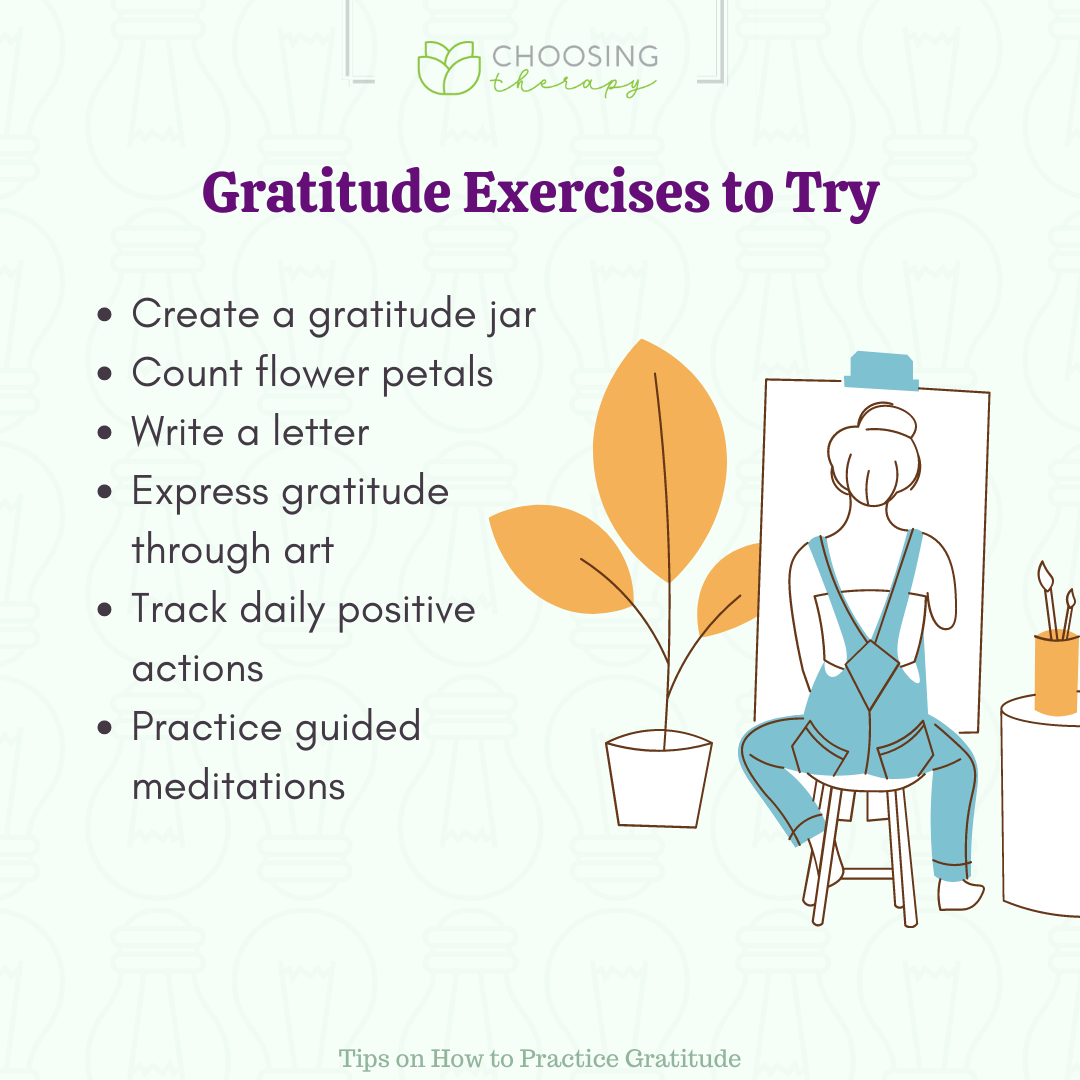
Gratitude plays a pivotal role in cultivating a positive body image by shifting the focus from perceived flaws to inherent value and functionality. By actively acknowledging and appreciating what your body does for you, you foster a deeper sense of connection and respect, moving away from a purely aesthetic evaluation.Gratitude for your body is about recognizing its incredible capabilities and the daily support it provides, often unnoticed.
It is a practice that actively counters the prevalent culture of dissatisfaction by highlighting what is already good and sufficient. This conscious appreciation can fundamentally alter your internal dialogue and emotional response to your physical self.
- Appreciating functional abilities: Focus on what your body allows you to do. This could be the ability to walk, to hug loved ones, to taste delicious food, to see the beauty in the world, or to simply breathe. For example, instead of lamenting perceived imperfections in your legs, be grateful for their strength in carrying you through your day.
- Acknowledging resilience and healing: Your body possesses remarkable resilience and the capacity to heal. Recognizing this can foster a sense of awe and respect for its inherent strength. Consider a time you recovered from illness or injury; acknowledge the body’s powerful healing processes.
- Finding beauty in uniqueness: Instead of striving for an idealized norm, find beauty in the unique characteristics of your body. These are the features that make you, you. This could be the shape of your hands, the curve of your smile, or the way your hair grows.
- Practicing mindful movement: Engaging in physical activity with a focus on how it feels rather than how it looks can cultivate gratitude. Notice the sensation of your muscles working, the rhythm of your breath, and the feeling of energy in your body.
- Keeping a gratitude journal: Regularly writing down things you are grateful for about your body can reinforce these positive associations. This consistent practice helps to rewire your brain to focus on the positive aspects.
Resource List for Mindfulness and Positive Body Image Support
To further support your journey towards a positive body image through mindfulness, a variety of resources are available. These tools and communities can offer guidance, practical exercises, and a sense of connection with others who share similar goals.
- Books:
- “The Body Is Not an Apology: The Ultimate Guide for Embracing and Defending Your Body” by Sonya Renee Taylor offers a radical approach to body acceptance and activism.
- “Intuitive Eating: A Revolutionary Program That Works” by Evelyn Tribole and Elyse Resch provides a framework for developing a healthy relationship with food and your body, emphasizing internal cues over external rules.
- “Mindful Self-Compassion: The Proven Step-By-Step Way to Engage Your Mind, Your Body, and Your Emotions” by Kristin Neff and Christopher Germer offers practical exercises for cultivating self-kindness, common humanity, and mindfulness.
- Apps:
- Calm: Offers guided meditations for various purposes, including body image and self-acceptance.
- Headspace: Provides mindfulness exercises and meditations that can help manage negative thoughts and cultivate self-awareness.
- Insight Timer: Features a vast library of free guided meditations from various teachers, with many focusing on self-love and body positivity.
- Liberate: A mindfulness app specifically designed for people of color, offering relevant meditations and community support.
- Online Communities and Websites:
- The Body Positive: Offers resources, workshops, and community support for fostering a positive body image.
- National Eating Disorders Association (NEDA): While focused on eating disorders, NEDA provides valuable resources and support for anyone struggling with body image issues.
- Self-Compassion.org: The website of Kristin Neff, offering free guided meditations, exercises, and research on self-compassion.
- Various subreddits on platforms like Reddit (e.g., r/bodypositivity, r/mindfulness) can offer peer support and shared experiences.
Final Summary
By integrating these mindful practices into your daily life, you can gradually shift your perspective, transforming how you experience and appreciate your body. This journey empowers you to move beyond external judgments and societal ideals, fostering a deep, abiding sense of contentment and gratitude for your unique physical self, leading to lasting body positivity.