Discover the transformative power of integrating mindfulness into your daily household chores, turning mundane tasks into opportunities for presence and peace.
This guide explores the fundamental principles of mindfulness and how they can be applied to everyday activities, highlighting the profound benefits of approaching routine tasks with a mindful attitude. We will delve into identifying specific moments within chores for mindful engagement, offering practical techniques and strategies to overcome common challenges, and ultimately cultivating a more serene and focused approach to maintaining your home.
Understanding the Core Concept

Mindfulness, at its heart, is the practice of paying attention to the present moment with intention and without judgment. It’s about cultivating a deeper awareness of our thoughts, feelings, bodily sensations, and the surrounding environment. This conscious engagement allows us to move beyond autopilot and truly experience our lives as they unfold, rather than being lost in rumination about the past or anxiety about the future.Everyday activities, often perceived as mundane or burdensome, can transform into powerful opportunities for mindful engagement.
By shifting our perspective, we can find moments of presence and connection even in the most routine tasks. This deliberate shift in attention not only makes chores less tedious but also enriches our overall well-being.The benefits of applying a mindful approach to routine tasks are multifaceted, extending beyond mere task completion. This practice cultivates a sense of calm, reduces stress, and enhances focus.
It also fosters a greater appreciation for the simple acts that maintain our living spaces and contribute to our daily comfort, leading to a more grounded and fulfilling existence.
Fundamental Principles of Mindfulness
The core principles of mindfulness revolve around intentionality, present moment awareness, and non-judgment. Intentionality means actively choosing to bring our attention to what we are doing. Present moment awareness is the act of observing our experiences as they happen, without dwelling on past events or anticipating future ones. Non-judgment involves observing our thoughts and feelings without labeling them as “good” or “bad,” simply acknowledging their presence.
Everyday Activities as Opportunities for Mindful Engagement
Routine tasks, such as washing dishes, folding laundry, or sweeping the floor, can become rich opportunities for mindful engagement when approached with conscious attention. Instead of rushing through them or letting the mind wander, one can focus on the sensory details of the activity. This includes noticing the temperature of the water, the texture of the fabric, or the sound of the broom against the floor.
Benefits of Applying a Mindful Approach to Routine Tasks
Applying mindfulness to household chores offers a range of benefits that positively impact mental and emotional well-being. This practice can significantly reduce feelings of stress and overwhelm often associated with domestic responsibilities. By focusing on the present task, the mind is less likely to be preoccupied with worries or to-do lists, leading to a more peaceful experience.Here are some of the key benefits:
- Stress Reduction: By anchoring your attention to the task at hand, you interrupt the cycle of anxious thoughts and worries, promoting a sense of calm.
- Increased Focus and Concentration: Regular practice hones your ability to concentrate, which can spill over into other areas of your life, improving productivity and efficiency.
- Enhanced Appreciation: Mindfulness encourages gratitude for the simple acts that contribute to a clean and comfortable living environment.
- Improved Emotional Regulation: Observing thoughts and feelings without judgment helps you develop a healthier relationship with your emotions, making them less overwhelming.
- Greater Sense of Presence: By fully engaging in the present moment, you experience life more richly and deeply, rather than feeling disconnected or rushed.
Identifying Mindful Opportunities in Chores
While it might seem counterintuitive, everyday household chores offer a wealth of opportunities to cultivate mindfulness. By shifting our perspective, we can transform these routine tasks from tedious obligations into moments of present-moment awareness and even enjoyment. The key lies in recognizing that the chore itself is not the enemy of mindfulness, but rather our hurried, distracted, or resistant approach to it.The practice of mindfulness during chores involves actively engaging our senses and intentionally directing our attention to the experience of the task.
Instead of rushing through to completion, we can savor the sensations, sounds, and sights that accompany each action. This deliberate focus helps to anchor us in the present, quieting the mental chatter of past regrets or future anxieties.
Chores Suitable for Mindful Practice
Many common household chores lend themselves naturally to mindful engagement. These tasks often involve repetitive motions and tangible interactions with our environment, providing a solid foundation for focused attention.
- Washing Dishes: The warmth of the water, the feel of the soap suds, the gentle friction of the sponge against the dish, and the sound of running water can all be focal points.
- Folding Laundry: The texture of different fabrics, the warmth of freshly dried clothes, the smooth glide of fabric as it’s folded, and the visual neatness of a stacked pile offer sensory richness.
- Sweeping or Vacuuming: The rhythmic motion of the broom or vacuum, the sound it makes as it moves across the floor, and the visual transformation of a clean surface engage multiple senses.
- Gardening or Watering Plants: The feel of the soil, the scent of the earth and plants, the visual details of leaves and flowers, and the sound of water can be deeply grounding.
- Wiping Surfaces: The cool, smooth feel of the cloth, the scent of the cleaning product, and the visual clarity of a clean surface provide immediate sensory feedback.
Sensory Experiences in Chores
Each chore presents a unique palette of sensory experiences that can be intentionally observed. By tuning into these sensations, we anchor ourselves in the present moment, moving away from abstract thoughts and into concrete reality.
- Sight: Notice the colors of the dishes, the patterns of the fabric, the dust motes dancing in a sunbeam, the vibrant green of a plant leaf, or the gleam of a polished surface.
- Sound: Listen to the gentle clinking of dishes, the hum of the washing machine, the rustle of fabric, the rhythmic swish of a broom, or the steady flow of water.
- Smell: Inhale the scent of dish soap, the clean fragrance of laundry detergent, the earthy aroma of soil, or the subtle perfume of blooming flowers.
- Touch: Feel the temperature of the water, the texture of the sponge or cloth, the weight of a stack of folded clothes, the smooth surface of a table, or the cool, damp earth.
- Taste: While less common, even the subtle taste of water while washing can be an observation point.
Shifting Focus to Present Moment Experience
The most crucial aspect of mindful chore practice is the intentional shift of focus. Instead of dwelling on the completion of the task or the next item on your to-do list, consciously direct your attention to the immediate sensory input.
“The present moment is the only moment available to us, and it is the door to all moments.”
Thich Nhat Hanh
This shift can be facilitated by simple techniques:
- Set an Intention: Before starting a chore, briefly set an intention to be present and mindful. This simple act primes your mind for a different approach.
- Engage One Sense at a Time: Choose one sense, such as touch, and focus solely on the tactile sensations for a minute or two. Then, you might shift to sound or sight.
- Notice Subtle Details: Look for details you might usually overlook – the way light reflects off a wet surface, the intricate weave of a dishtowel, or the subtle variations in color of a piece of fruit.
- Acknowledge Distractions Without Judgment: Your mind will wander. When you notice it has, gently acknowledge the thought without frustration and redirect your attention back to the chore and its sensory aspects.
- Embrace Repetition: Repetitive motions can be incredibly grounding. Instead of seeing them as monotonous, view them as an opportunity for sustained, gentle focus.
Practical Techniques for Mindful Chore Engagement
Moving beyond the theoretical understanding of mindfulness and identifying opportunities, this section delves into actionable techniques to infuse presence and intention into everyday household tasks. By approaching chores with a mindful perspective, we can transform them from mundane obligations into opportunities for self-connection and peace. These methods are designed to be easily integrated into your routine, requiring no special equipment or extensive preparation.The key to mindful chore engagement lies in consciously directing your attention to the sensory experiences of the task at hand.
This involves fully immersing yourself in the present moment, noticing the sights, sounds, smells, textures, and even the physical sensations associated with each action. By doing so, you can cultivate a deeper appreciation for the process and find moments of calm amidst the activity.
Mindful Dishwashing Steps
Washing dishes, often perceived as a tedious chore, can become a meditative practice by focusing on the sensory details and the rhythm of the task. This step-by-step approach guides you through infusing mindfulness into this common household activity.
- Prepare Your Space: Before you begin, take a moment to clear the sink area. Notice the feel of the running water as you rinse the first dish.
- Engage Your Senses: Feel the warmth of the water on your hands. Observe the suds forming and the way they cling to the dishes. Smell the soap.
- Focus on the Movement: As you scrub, pay attention to the circular motions of your hands and the sponge. Notice the resistance of food particles and the smooth glide over clean surfaces.
- Listen to the Sounds: Hear the gentle clinking of dishes, the soft swish of the sponge, and the steady flow of water. Allow these sounds to anchor you in the present.
- Mindful Rinsing: As you rinse each dish, feel the water washing away the soap and any lingering residue. Observe the water sheeting off the clean surface.
- Drying with Awareness: When drying, feel the texture of the towel and the dampness of the dish. Move with intention, placing each dry item carefully.
Guided Approach for Mindful Vacuuming
Vacuuming offers a unique opportunity to connect with your body’s movement and the auditory landscape of your home. This guided approach encourages you to be fully present with each sweep and hum.Begin by standing with your feet firmly planted on the floor, feeling the connection to the ground. As you grasp the vacuum cleaner, notice the weight and texture of the handle.
Before switching it on, take a deep breath and exhale slowly.When you activate the vacuum, focus on the immediate sound it produces – its pitch, volume, and rhythm. As you begin to move, synchronize your breath with the sweeping motion. Inhale as you push the vacuum forward, and exhale as you pull it back. Pay attention to the sensation of the machine gliding across the floor, the subtle vibrations that travel up your arms, and the way your body adjusts its posture with each movement.
Notice the patterns the vacuum creates on the carpet or the dust it lifts from hard floors. Allow the repetitive nature of the task to become a mantra, drawing your attention back to the present moment whenever your mind wanders.
Method for Mindful Laundry Folding
Laundry folding can be transformed into a tactile and sensory experience, promoting a sense of calm and order. This method emphasizes the feel of the fabrics and the deliberate nature of each fold.Start by gathering your clean laundry. Before you begin folding, take a moment to hold a piece of clothing. Feel its weight, its texture – is it soft cotton, smooth silk, or a rougher linen?
Notice its color and any subtle patterns. As you unfold an item, observe its shape and how it drapes.When folding, move with deliberate slowness. Feel the fabric yield under your hands. Pay attention to the crispness of a crease, the softness of a hem, or the slight resistance of a thicker material. As you fold each item, imagine you are smoothing out not just the fabric, but also any lingering stress or tension.
Arrange the folded items neatly, noticing the stack growing, creating a visual representation of order and accomplishment.
Incorporating Deep Breathing Exercises into Dusting
Dusting provides an excellent opportunity to integrate mindful breathing into a routine task. The gentle, repetitive motions lend themselves well to a synchronized breath.As you approach a surface to dust, begin by taking a slow, deep inhale through your nose, feeling your abdomen expand. As you exhale slowly through your mouth, gently begin to wipe the surface with your dusting cloth.
With each sweep of the cloth, continue to exhale, releasing the air steadily.
This practice not only cleans your home but also calms your mind and centers your energy.
Overcoming Common Challenges

Embracing mindfulness during household chores is a rewarding practice, yet it’s natural to encounter obstacles. This section addresses common difficulties, offering practical strategies to navigate them and foster a consistent mindful approach to your domestic tasks.The journey of mindful chore engagement is not always smooth. Many find it challenging to maintain presence when faced with a mountain of tasks or when the chores themselves feel monotonous.
Understanding these common hurdles is the first step towards developing resilience and effective coping mechanisms.
Maintaining Presence When Feeling Overwhelmed
Feeling overwhelmed by the sheer volume of chores can make it incredibly difficult to focus on the present moment. The mind tends to race, anticipating future tasks or dwelling on past unfinished ones, thus disconnecting from the current activity.To counter this feeling of being overwhelmed, it is beneficial to break down larger tasks into smaller, manageable steps. This approach reduces the perceived magnitude of the work and allows for a sense of accomplishment with each completed mini-task.
Focusing on one small step at a time naturally brings attention to the present moment.
“The present moment is the only moment available to us, and it is the door to all moments.”
Another effective strategy is to practice self-compassion. Acknowledge that it’s okay to feel overwhelmed and avoid self-criticism. Instead, gently redirect your attention back to the task at hand, focusing on the sensory details of the immediate action.
Managing Distractions and Intrusive Thoughts
Distractions, whether internal (like worries or to-do lists) or external (like phone notifications or family interruptions), are frequent companions during chores. Intrusive thoughts can pull us away from the mindful experience, making it hard to engage fully with the task.When distractions arise, the key is not to fight them but to acknowledge their presence without judgment and then gently guide your attention back to your chore.
This practice of returning your focus, even repeatedly, is the essence of mindfulness training.To manage distractions, consider creating a more focused environment. This might involve setting specific times for chores, minimizing external stimuli by turning off notifications, or communicating your need for uninterrupted time to household members.For intrusive thoughts, a technique called “labeling” can be helpful. When a thought arises, mentally label it (e.g., “planning,” “worrying,” “remembering”) and then let it go, returning your awareness to the physical sensations of the chore.
Maintaining a Mindful Attitude During Tedious Chores
Chores that are repetitive or perceived as boring can be particularly challenging for maintaining a mindful attitude. The mind often seeks novelty and stimulation, making it difficult to find engagement in seemingly mundane activities.To cultivate mindfulness in tedious tasks, shift your perspective by focusing on the purpose and benefit of the chore. For instance, cleaning the kitchen can be reframed as an act of care for your living space and for those who share it, or as an opportunity to create a more serene environment.
“The journey of a thousand miles begins with a single step.”
Engaging your senses more deeply can also transform tedious tasks. Instead of just going through the motions, pay close attention to the tactile sensations of washing dishes, the scent of cleaning products, or the visual transformation of a space as you clean. This sensory engagement anchors you in the present experience, making even mundane tasks more interesting.Furthermore, approaching these chores with a spirit of curiosity can be transformative.
Ask yourself questions like: “What is the most efficient way to do this?” or “What can I learn about this process?” This curious mindset shifts the focus from boredom to engagement and learning.
Integrating Mindfulness into a Chore Routine
Transforming routine household chores into opportunities for mindfulness requires a deliberate approach to integrating these practices into your weekly schedule. This section Artikels how to create a supportive structure and cultivate a consistent mindful experience, making it feel less like an addition and more like a natural extension of your day.
Sample Weekly Chore Schedule with Mindful Pauses
A well-structured chore schedule can serve as a framework for incorporating mindful moments. By intentionally building in pauses and dedicating specific times for mindful engagement, you can reinforce the habit and make it more accessible. The following sample schedule demonstrates how to weave mindfulness into various tasks throughout the week.
| Day | Chore | Mindful Focus | Mindful Pause/Activity |
|---|---|---|---|
| Monday | Kitchen Cleanup (Dishes, Counters) | Sensation of warm water, scent of soap, smooth texture of dishes | 3 deep breaths while drying dishes, noticing the weight and temperature of each item. |
| Tuesday | Laundry (Sorting, Folding) | Texture of fabrics, scent of detergent, rhythmic motion of folding | While folding, focus on the breath and the gentle movement of your hands. Imagine releasing tension with each exhale. |
| Wednesday | Vacuuming/Sweeping | Sound of the vacuum/broom, feeling of movement, visual scan of the space | During a brief pause, stand still and observe the quietness after the noise, noticing the newly clean surface. |
| Thursday | Bathroom Cleaning (Sink, Toilet, Shower) | Scent of cleaning products, feel of the sponge, visual observation of cleanliness | After scrubbing, take a moment to appreciate the clean space, noticing the light reflecting off surfaces. |
| Friday | Tidying Up Living Areas | Arrangement of objects, texture of surfaces, visual harmony | As you place items, mindfully notice their purpose and your connection to them. |
| Saturday | Grocery Shopping & Meal Prep | Colors and textures of produce, sounds of the store, deliberate movements in the kitchen | While chopping vegetables, focus on the crisp sound and feel, breathing deeply with each slice. |
| Sunday | General Household Reset | Overall sense of order, calm, and spaciousness | Spend 5 minutes sitting in a clean space, simply observing the quiet and feeling a sense of accomplishment. |
Cultivating Consistent Mindful Practice Across Various Household Tasks
Consistency in mindfulness practice, even amidst mundane chores, is key to its long-term benefits. It involves shifting your perception of chores from obligations to opportunities for presence. This can be achieved by anchoring your practice to the inherent sensory experiences of each task and by setting gentle intentions.To cultivate this consistency, consider the following approaches:
- Anchor to Sensory Input: Each chore offers a wealth of sensory information. For instance, while washing dishes, focus on the temperature of the water, the feel of the soap suds, and the smooth surface of the plates. When folding laundry, pay attention to the different textures of the fabrics and the subtle scents. This sensory engagement grounds you in the present moment.
- Set Gentle Intentions: Before starting a chore, take a moment to set a simple intention, such as “I will be present as I clean” or “I will notice the sensations of this task.” This primes your mind for a more mindful approach without adding pressure.
- Mindful Transitions: The moments between chores or at the start/end of a chore are excellent opportunities for brief mindfulness exercises. Before beginning a task, take three deep breaths. After finishing, pause for a moment to acknowledge the completion and the state of the space.
- Embrace Imperfection: The goal is not to achieve perfect mindfulness during every second of every chore, but rather to cultivate moments of awareness. If your mind wanders, gently guide it back to the sensations or your intention without judgment.
Making Mindfulness a Natural Part of the Chore Experience
The ultimate aim is for mindfulness to become an integrated and effortless aspect of your chore routine, rather than an additional item on your to-do list. This involves shifting your mindset and utilizing subtle techniques that blend seamlessly with the activity.Tips for making mindfulness a natural part of the chore experience include:
- Mindful Breathing Breaks: Integrate short, intentional breathing breaks into your chore routine. For example, after completing one part of a task, pause for 30 seconds to focus solely on your breath. This can be done while waiting for a washing machine cycle to finish or before starting a new cleaning area.
- Sensory Awareness Integration: Actively engage all your senses during chores. When dusting, notice the fine particles and the scent of the polish. While cooking, pay attention to the vibrant colors, the aroma of ingredients, and the sounds of sizzling. This sensory engagement naturally draws your attention to the present.
- The “One Thing at a Time” Principle: Approach each chore, or even each step of a chore, as a single, distinct activity. Instead of thinking about the entire task ahead, focus entirely on the immediate action. This reduces overwhelm and enhances presence.
- Cultivate Gratitude: As you perform chores, consider what you are grateful for related to the task. Be thankful for the clean water that allows you to wash dishes, the warm home that needs tidying, or the food that requires preparation. This shifts the perspective from burden to blessing.
- Use Routine as a Cue: Train yourself to associate specific chores with mindful moments. For instance, every time you pick up a cleaning cloth, consciously take one deep breath. Over time, the action of picking up the cloth will automatically trigger the mindful breath.
Enhancing the Mindful Chore Experience
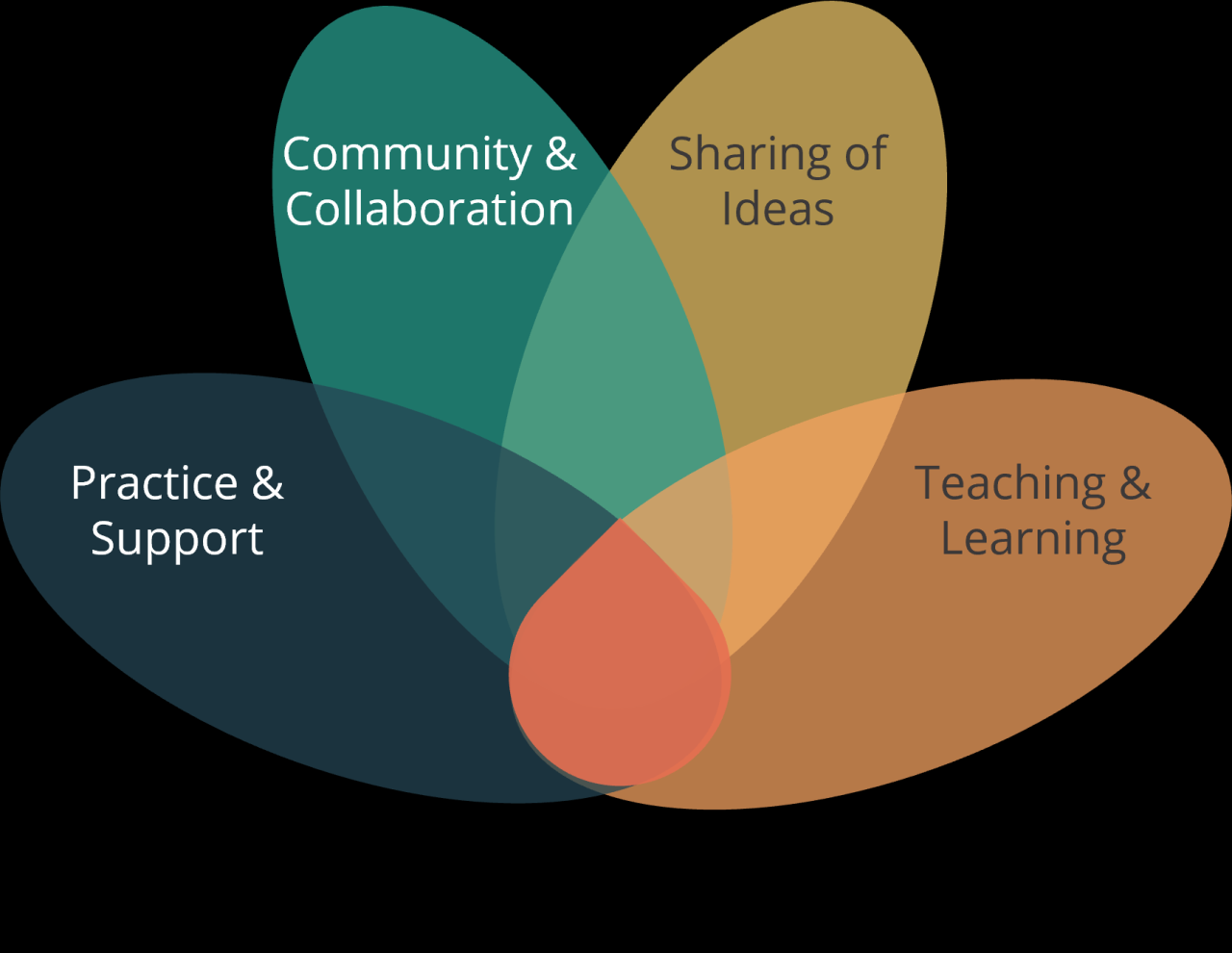
Moving beyond the basic practice, this section explores how to deepen your engagement with chores, transforming them from mundane tasks into opportunities for profound presence and appreciation. By intentionally engaging your senses and cultivating a supportive environment, you can elevate the mindful chore experience.
Sensory Anchors for Deepened Presence
Sensory anchors are powerful tools that help ground you in the present moment by focusing your attention on immediate physical sensations. During chores, these anchors can transform repetitive actions into meditative experiences, pulling your awareness away from distracting thoughts and into the tangible reality of your task.
- Tactile Sensations: Feel the texture of the dish soap on your hands, the smooth surface of a polished table, or the rough fibers of a cleaning cloth. Notice the temperature of the water, the weight of the vacuum cleaner, or the softness of freshly laundered towels.
- Auditory Input: Listen to the gentle hum of the washing machine, the rhythmic swish of a broom, the quiet drip of water from a faucet, or the satisfying click of a closing cupboard. These sounds can become a soundtrack to your mindful activity.
- Olfactory Awareness: Inhale the clean scent of detergent, the subtle aroma of citrus cleaner, or the fresh fragrance of dried herbs if you’re tidying the kitchen. These scents can evoke feelings of calm and cleanliness.
- Visual Focus: Observe the patterns of water droplets on a windowpane, the way light reflects off a clean surface, the organized arrangement of items on a shelf, or the subtle shift in color as you wipe away dust.
Creating a Calming Atmosphere for Mindful Cleaning
The environment in which you perform your chores significantly influences your ability to remain present and calm. By intentionally shaping your surroundings, you can foster a more supportive and enjoyable mindful cleaning experience.
- Music or Soundscapes: Choose calming instrumental music, nature sounds, or ambient soundscapes that promote relaxation without being overly distracting. Avoid music with lyrics that might pull your attention away from the task.
- Aromatherapy: Utilize essential oils known for their calming properties, such as lavender, chamomile, or bergamot, through diffusers or by adding a few drops to your cleaning solutions (ensure compatibility).
- Natural Light: Whenever possible, open curtains and blinds to allow natural light to fill the space. This can boost mood and create a more pleasant atmosphere.
- Decluttering Before Cleaning: A tidy space is often a calmer space. Before embarking on a mindful cleaning session, take a few moments to put away stray items. This simple act can reduce visual clutter and mental overwhelm.
- Mindful Movement: Pay attention to the way your body moves during chores. Notice the flow of your movements, the engagement of your muscles, and the rhythm of your actions.
Appreciating Order and Cleanliness Achieved Through Mindful Effort
The culmination of mindful chores is not just a clean home, but a profound sense of accomplishment and appreciation for the order and serenity you have cultivated. This appreciation is a key aspect of the mindful experience.
“The greatest reward of a mindful chore is the quiet satisfaction of creating order from chaos, a tangible manifestation of your present moment attention.”
- Recognize the Transformation: Take a moment to pause and observe the difference between the space before and after your mindful cleaning. Notice the sparkle of clean surfaces, the organized arrangement of items, and the general sense of calm.
- Acknowledge Your Effort: Be aware of the energy and attention you dedicated to the task. Recognize that your mindful presence contributed to the positive outcome. This self-acknowledgment fosters a sense of pride and reinforces the value of your practice.
- Savor the Serenity: Allow yourself to fully inhabit the clean and organized space. Notice how it feels to be in a tidy environment. This is the direct reward of your mindful efforts, a space that supports peace and well-being.
- Gratitude for Simplicity: Cultivate gratitude for the simple act of having a clean and functional home. This appreciation can extend beyond the immediate chore to a broader sense of contentment with your surroundings.
Visualizing Mindful Chore Moments
Mindfulness is not just about grand gestures; it can be woven into the fabric of our everyday routines, transforming mundane tasks into opportunities for presence and peace. By actively engaging our senses and imagination, we can elevate simple chores into moments of profound connection with ourselves and our surroundings. This section explores how to visualize and embody mindful engagement during common household activities.The power of visualization lies in its ability to prepare our minds for a task, setting an intention for presence and appreciation.
By picturing ourselves performing chores with a mindful attitude, we can proactively cultivate the desired state of awareness before we even begin. This mental rehearsal primes us to notice the details and sensations that often go unnoticed in our rush to complete the task.
Mindful Window Washing
Imagine standing before a window, the task of washing it before you. As you prepare your cleaning solution, notice the cool feel of the water as it mixes with the soap. The gentle scent of the cleaner fills the air, a subtle aroma that signals a cleansing process. Pick up your cloth or sponge, feeling its texture – perhaps soft and yielding, or slightly rough for a better scrub.
As you begin to wipe the glass, observe the streaks of dirt and grime lifting away with each deliberate stroke. Feel the smooth glide of the cloth across the glass, the gentle resistance it offers. Watch as the water and soap create a temporary sheen, blurring the world outside for a moment. Then, as you wipe it dry, witness the transformation.
The glass becomes a portal, clearer and brighter, reflecting the light with newfound brilliance. Each pass of the cloth is an opportunity to be fully present, appreciating the simple act of bringing clarity to your environment.
Mindful Floor Sweeping
Consider the act of sweeping your floor. As you grasp the broom, feel its weight and the texture of the handle in your hands. Take a moment to notice the connection between your body and the tool. With each sweep, pay attention to the rhythmic motion of your arm and shoulder. The bristles of the broom meet the floor with a soft, consistent sound – a gentle rustling, a light scraping, a subtle swish.
Listen to this auditory landscape as you guide the broom, creating a gentle cadence. Observe how the dust and debris are gathered, forming neat piles. Feel the subtle push and pull as the broom moves across the surface, a dance of effort and ease. This is not just about cleaning; it’s about the steady, focused movement, the quiet symphony of the bristles against the floor, and the satisfying order that emerges from your intentional actions.
Mindful Plant Watering
Envision yourself tending to your plants. Approach them with a sense of quiet anticipation. Reach for your watering can, feeling its familiar shape and the weight of the water within. As you begin to pour, observe the water cascading onto the soil. Notice how the dry earth eagerly absorbs the moisture, darkening in color and becoming rich and yielding.
Feel the subtle shift in the soil’s texture beneath your fingertips if you choose to touch it – from a dry, crumbly state to a moist, cohesive one. Look closely at the leaves of the plant. Observe their vibrant green hues, their intricate veins, and their delicate surfaces. Imagine the water being drawn up through the roots, nourishing the life within each leaf, sustaining its growth.
This act is a meditation on nurturing, a quiet acknowledgment of the life force you are supporting, and a sensory experience of connection with the natural world within your home.
Structuring Mindful Chore Practice
To effectively integrate mindfulness into your household chores, a structured approach can be immensely beneficial. This involves consciously designing your practice by identifying specific points of focus for each task and organizing them into a cohesive routine. By bringing intentional awareness to the process, even the most mundane tasks can become opportunities for presence and calm.This section will guide you through creating a framework for your mindful chore practice, starting with a breakdown of common chores and their corresponding mindful elements, followed by a suggested sequence for a general cleaning session, and a grounding breathing exercise to prepare you for your mindful engagement.
Chore-Specific Mindful Focus Points
Different chores lend themselves to various sensory and attentional explorations. By intentionally identifying these, you can transform routine tasks into rich mindfulness experiences. The following table provides examples of how to approach common household chores with a mindful lens, highlighting sensory details and breathing techniques that can deepen your practice.
| Chore | Mindful Focus | Sensory Experience | Breathing Technique |
|---|---|---|---|
| Washing Dishes | The warmth of the water, the lather of the soap, the smooth or textured feel of each dish as you clean it. Notice the weight and shape of the items in your hands. | The scent of the dish soap, the sound of running water, the visual appearance of soap bubbles, the temperature of the water on your skin. | As you scrub a dish, inhale deeply, filling your lungs. As you rinse, exhale slowly and completely, releasing the grime and the tension. |
| Folding Laundry | The unique texture of each fabric—the softness of cotton, the crispness of linen, the stretch of synthetics. Pay attention to the precision and neatness of each fold. | The subtle scent of detergent or fabric softener, the visual satisfaction of creating neat piles, the feel of the fabric against your fingertips. | Before picking up each item, take a brief pause to inhale calmly. As you complete a fold and place the item in its pile, exhale slowly, releasing any lingering thoughts about the task. |
| Wiping Surfaces | The smooth glide of the cloth across the surface, the gentle pressure you apply, the clean feeling left behind. Observe the transformation of the surface as you clean. | The cool sensation of the cleaned surface, the faint scent of the cleaning product, the soft sound of the cloth as it moves. | Synchronize your breath with the wiping motion. Inhale as you move the cloth in one direction, and exhale as you return it or complete the stroke, creating a rhythmic flow. |
| Sweeping or Vacuuming | The movement of the broom or vacuum, the effort in your body, the visual progress as dirt and debris disappear. | The sound of the broom bristles on the floor or the hum of the vacuum, the feel of the tool in your hands, the sight of the clean path you create. | Inhale as you push the broom or vacuum forward, and exhale as you pull it back, or take a steady breath with each sweeping stroke. |
| Gardening/Plant Care | The texture of the soil, the feel of the leaves and stems, the satisfying act of nurturing life. | The earthy scent of the soil, the visual beauty of the plants, the sounds of nature around you, the feel of the sun or breeze on your skin. | Inhale the fresh air deeply as you tend to your plants, and exhale slowly, sending a sense of calm and care into your actions. |
Organizing a Mindful Cleaning Session Sequence
A structured approach to a general cleaning session can enhance its mindfulness potential. By creating a sequence of actions that incorporate mindful moments, you can ensure a more present and less overwhelming experience. This sequence can be adapted to your specific cleaning needs and the layout of your home.Begin by preparing your mind and body for the task ahead. This could involve a brief period of mindful breathing, as described below, to set a calm and focused intention.
Next, gather all your cleaning supplies, intentionally noticing the textures, scents, and weights of the items you are collecting.When you begin cleaning a specific area, dedicate a few moments to simply observe the space before you start. Notice the current state of the room without judgment. Then, as you move from one task to another—for instance, from dusting furniture to wiping down windows—consciously transition your awareness.
Pay attention to the physical act of moving through your home, the feel of your feet on the floor, and the shift in your posture.During each chore, employ the sensory focus and breathing techniques Artikeld in the table above. For example, when dusting, focus on the feel of the cloth and the visual transformation of the surface. When vacuuming, tune into the rhythm of the machine and the feeling of movement.Throughout the session, periodically pause for a moment of mindful awareness.
This could be a simple check-in with your breath or a quick scan of your body to release any tension. Acknowledge the progress you are making and appreciate the effort you are putting in. By creating a deliberate sequence, you transform a series of tasks into a flowing, mindful practice.
Guided Mindful Breathing Exercise for Chore Preparation
Before you commence your household chores, taking a moment to center yourself can profoundly impact your experience. This brief guided exercise is designed to help you arrive fully in the present moment, setting a tone of calm and intentionality for your mindful chore practice.
“Take a moment to stand or sit comfortably. Close your eyes gently if you wish. Bring your awareness to your breath. Notice the sensation of the air entering your nostrils, filling your lungs, and then leaving your body. Without trying to change it, simply observe the natural rhythm of your breath. With each inhale, feel a sense of calm entering your body. With each exhale, release any tension or worries you may be holding. Continue this for a few breaths, allowing yourself to arrive fully in this moment before you begin your tasks.”
Final Conclusion

By embracing these principles and techniques, you can transform your household chores from dreaded obligations into moments of mindful connection and calm, enriching your daily life with a sense of peace and accomplishment.