Embark on a transformative journey with “How to Practice Mindful Leadership at Work,” a comprehensive exploration designed to illuminate the path to more effective and compassionate leadership. This guide invites you to discover how cultivating mindfulness can profoundly reshape your professional life and the environments you influence.
We delve into the core principles of mindful leadership, examining its foundational benefits and its powerful impact on team dynamics and overall productivity. By understanding and implementing these practices, leaders can foster a more engaged, resilient, and high-performing workplace.
Understanding Mindful Leadership at Work
Mindful leadership is an approach that integrates principles of mindfulness into the practice of leading teams and organizations. It emphasizes being present, aware, and intentional in all interactions and decision-making processes within the workplace. This practice goes beyond mere stress reduction; it cultivates a deeper capacity for focus, empathy, and effective communication.At its core, mindful leadership is about fostering an environment where leaders and their teams can operate with greater clarity, purpose, and emotional intelligence.
It encourages a shift from reactive behaviors to responsive actions, allowing for more considered and ethical leadership. This cultivates a more resilient and adaptable organizational culture.
Core Principles of Mindful Leadership
The foundation of mindful leadership rests on several key principles that guide a leader’s actions and interactions. These principles, when consistently applied, create a more positive and productive work environment.
- Present Moment Awareness: This involves fully engaging with the current task, conversation, or situation without being distracted by past regrets or future anxieties. It means actively listening and observing, rather than mentally rehearsing responses.
- Non-Judgment: Mindful leaders approach situations and individuals with an open and accepting attitude, recognizing that everyone has their own perspectives and challenges. This fosters an environment of psychological safety where team members feel comfortable expressing themselves.
- Compassion and Empathy: Understanding and sharing the feelings of others is crucial. Mindful leaders strive to connect with their team members on a human level, recognizing their efforts and offering support.
- Intentionality: Actions and decisions are made with a clear understanding of their purpose and potential impact. This contrasts with habitual or impulsive responses, leading to more strategic and ethical outcomes.
- Self-Awareness: Leaders cultivate a deep understanding of their own thoughts, emotions, and behaviors, recognizing how these influence their leadership style and their team.
Fundamental Benefits of Integrating Mindfulness into Workplace Practices
The adoption of mindful leadership practices yields a wide array of tangible benefits for both individuals and the organization as a whole. These advantages contribute to a healthier, more engaged, and ultimately more successful workplace.
“Mindfulness is not about emptying the mind, but about being aware of what is in it.”
The integration of mindfulness into daily work routines can transform the employee experience. It equips individuals with tools to navigate stress more effectively, enhance their focus, and improve their overall well-being. This, in turn, positively impacts their performance and job satisfaction.The benefits can be categorized as follows:
- Enhanced Focus and Concentration: By training the mind to stay present, individuals can reduce distractions and improve their ability to concentrate on tasks, leading to higher quality work and fewer errors.
- Improved Emotional Regulation: Mindfulness practices help individuals recognize and manage their emotions, preventing impulsive reactions and fostering more thoughtful responses to challenging situations.
- Increased Resilience: The ability to stay grounded and aware during stressful periods allows individuals to bounce back more effectively from setbacks and adapt to change.
- Greater Creativity and Problem-Solving: A calmer, more focused mind is better equipped to explore new ideas and find innovative solutions to complex problems.
- Better Communication and Relationships: By being more present and empathetic, individuals can communicate more effectively and build stronger, more trusting relationships with colleagues.
Impact of Mindful Leadership on Team Dynamics and Overall Productivity
The ripple effect of mindful leadership extends significantly to team dynamics and overall organizational productivity. When leaders embody mindfulness, it sets a tone that influences how the entire team interacts and performs.Mindful leadership fosters an environment where trust, respect, and open communication flourish. This creates a more cohesive and collaborative team that is better equipped to tackle challenges and achieve shared goals.The impact on team dynamics is evident in several key areas:
- Improved Collaboration: When team members feel heard and understood, they are more likely to share ideas openly and work together effectively towards common objectives.
- Reduced Conflict: Mindful leaders handle disagreements with a focus on understanding and resolution, rather than escalation, leading to a more harmonious work environment.
- Increased Engagement and Motivation: Employees who feel valued and supported by their leaders are more likely to be engaged in their work and motivated to contribute their best efforts.
- Enhanced Psychological Safety: A mindful leader creates a space where team members feel safe to take risks, admit mistakes, and offer constructive feedback without fear of retribution.
This positive shift in team dynamics directly translates into enhanced productivity. Teams that operate with clarity, focus, and strong interpersonal bonds are more efficient and effective in their work.For instance, companies that have invested in mindfulness training for their leaders and employees, such as Google with its “Search Inside Yourself” program, have reported significant improvements in employee well-being, reduced stress levels, and a measurable increase in innovation and team performance.
These initiatives underscore the practical and quantifiable benefits of mindful leadership in achieving higher levels of productivity and fostering a thriving work culture.
Cultivating Self-Awareness for Leaders
Self-awareness is the bedrock of mindful leadership. It involves a deep understanding of one’s own emotions, thoughts, behaviors, and how they impact others. For leaders, this is not just a personal development goal but a critical professional competency that influences team dynamics, decision-making, and overall organizational health. Cultivating this awareness allows leaders to navigate complex situations with greater clarity and intentionality.This section delves into practical methods for leaders to foster a more profound understanding of themselves, enabling them to lead with authenticity and effectiveness.
By developing robust self-awareness, leaders can better manage their reactions, mitigate the influence of personal biases, and make more objective and considered decisions.
Enhancing Emotional and Bias Recognition
Leaders are constantly exposed to situations that evoke strong emotions and require impartial judgment. Developing the capacity to identify and understand these internal states, along with recognizing inherent biases, is crucial for objective leadership. This involves actively observing one’s emotional responses and understanding the underlying cognitive shortcuts that can lead to skewed perceptions.To enhance self-awareness regarding emotions and biases, leaders can employ several techniques:
- Mindful Observation of Emotions: Regularly pause throughout the day to notice what emotions are present without judgment. Ask yourself, “What am I feeling right now?” and “Where do I feel this in my body?” This practice helps to detach from overwhelming emotions and observe them as transient states.
- Journaling: Dedicate time to write down thoughts, feelings, and reactions to specific workplace events. This written record can reveal patterns in emotional responses and highlight recurring themes that might indicate underlying biases or triggers.
- Seeking Feedback: Actively solicit constructive criticism from trusted colleagues, mentors, or team members about your leadership style, communication, and decision-making. This external perspective can offer valuable insights into blind spots you might not recognize yourself.
- Bias Awareness Training: Engage in formal training or read extensively about common cognitive biases (e.g., confirmation bias, anchoring bias, availability heuristic). Understanding these biases intellectually is the first step to identifying them in your own thinking processes.
- Scenario Analysis: Before making significant decisions, consciously consider potential biases that might influence your judgment. For instance, if you are hiring, reflect on whether you are favoring candidates who remind you of yourself or those who present information in a way that confirms your initial assumptions.
Recognizing Personal Triggers and Their Impact on Decision-Making
Personal triggers are specific events, words, or situations that evoke a disproportionately strong emotional response. For leaders, these triggers can significantly impair judgment, leading to hasty decisions, strained relationships, and a negative team environment. Identifying these triggers is paramount to managing their influence.The impact of unacknowledged personal triggers on decision-making can be profound:
- Emotional Reactivity: Triggers can lead to impulsive reactions rather than thoughtful responses. For example, a leader who is triggered by perceived insubordination might immediately issue a reprimand without fully understanding the situation, potentially alienating a valuable employee.
- Confirmation Bias Amplification: When triggered, a leader might actively seek information that confirms their negative emotional state or pre-existing assumptions, ignoring contradictory evidence. This can lead to poor strategic choices based on incomplete or biased data.
- Impaired Problem-Solving: A highly emotional state due to a trigger can narrow focus, making it difficult to consider alternative solutions or the long-term consequences of a decision.
- Erosion of Trust: Inconsistent or emotionally driven decisions can undermine the trust team members place in their leader’s fairness and objectivity.
To mitigate the impact of personal triggers, leaders should proactively identify them. This often involves reflecting on past situations where they felt particularly stressed, angry, or defensive. Keeping a “trigger log” where you note the situation, your emotional response, and your subsequent actions can be highly effective. Once identified, the next step is to develop strategies to manage the response, such as taking a pause before reacting, practicing deep breathing exercises, or reframing the situation from a more objective standpoint.
Practicing Regular Self-Reflection
Self-reflection is the active process of examining one’s thoughts, feelings, and actions to gain insights and foster growth. For leaders, making self-reflection a consistent practice is essential for continuous improvement and for embedding mindful leadership principles into daily operations. It provides a dedicated space to process experiences, learn from mistakes, and reinforce positive behaviors.Strategies for leaders to practice regular self-reflection include:
- Daily Check-ins: Dedicate 5-10 minutes at the end of each workday to review key interactions, decisions, and emotional states. Ask questions like: “What went well today?” “What could I have done differently?” “What did I learn about myself or others?”
- Weekly Reviews: Set aside a longer period, perhaps 30-60 minutes, once a week for a more in-depth review. This could involve looking at broader themes, progress on goals, and any persistent challenges or patterns identified during daily check-ins.
- Retrospectives on Major Events: After significant projects, meetings, or challenging situations, conduct a thorough retrospective. This involves analyzing what happened, why it happened, and what lessons can be applied to future endeavors.
- Mindful Walking or Meditation: Incorporate activities that quiet the mind and allow for introspection. A mindful walk in nature or a short meditation session can create the mental space needed for deep reflection.
- Using a Structured Framework: Employ frameworks like the STAR method (Situation, Task, Action, Result) or the GROW model (Goal, Reality, Options, Will) to guide reflection, especially when analyzing specific performance or behavioral issues.
Regular self-reflection is not about dwelling on mistakes but about learning from them and building resilience. It transforms experiences into valuable learning opportunities, empowering leaders to adapt, evolve, and lead with greater wisdom and presence.
Developing Present Moment Awareness in Leadership

In the dynamic environment of leadership, the ability to remain fully present is not just beneficial, it’s foundational. Present moment awareness allows leaders to engage more deeply with their teams, make clearer decisions, and respond to challenges with greater insight and less reactivity. This section explores practical methods and exercises to cultivate this crucial skill, enabling leaders to navigate their workday with enhanced focus and intention.Cultivating present moment awareness is an ongoing practice that requires deliberate effort.
It involves training the mind to focus on the here and now, rather than dwelling on the past or worrying about the future. By integrating specific techniques into daily routines, leaders can significantly improve their ability to stay engaged, manage distractions, and foster a more connected and productive work environment.
Methods to Stay Focused and Engaged During Meetings and Interactions
Maintaining focus during meetings and interactions is essential for effective leadership. It ensures that all participants feel heard, that decisions are well-informed, and that valuable time is utilized efficiently. By employing specific strategies, leaders can enhance their presence and the quality of their engagement.Here are several methods leaders can implement to remain focused and engaged:
- Active Listening: This involves fully concentrating on what is being said, understanding the message, and responding thoughtfully. Leaders can practice active listening by making eye contact, nodding to show understanding, and refraining from interrupting. It also means paying attention to non-verbal cues, such as body language and tone of voice, to gain a more complete picture of the speaker’s message.
- Setting Intentions: Before a meeting or interaction, take a moment to set a clear intention for what you hope to achieve. This could be to understand a particular issue, to offer support, or to facilitate a productive discussion. Having a clear intention helps to direct your focus and energy.
- Mindful Note-Taking: Instead of passively recording information, engage with the content by taking notes mindfully. This can involve summarizing key points in your own words, noting down questions that arise, or identifying action items. This active process helps to keep your mind engaged with the discussion.
- Brief Pauses: Incorporate short, intentional pauses throughout conversations. These moments allow for reflection, processing of information, and a more considered response. A brief pause before speaking can prevent impulsive reactions and lead to more thoughtful contributions.
- Single-Tasking: During meetings or one-on-one conversations, commit to focusing solely on that interaction. Resist the urge to check emails, glance at your phone, or multitask. This dedication to the present interaction signals respect and fosters deeper connection.
Grounding Techniques for the Workday
Grounding techniques are simple yet powerful practices that help bring your attention back to the present moment, especially during times of stress or overwhelm. By anchoring yourself in the physical sensations of the present, you can regain a sense of calm and clarity, improving your ability to lead effectively.Leaders can integrate these grounding exercises into their workday to manage stress and enhance focus:
- The 5-4-3-2-1 Method: This exercise involves consciously identifying: five things you can see, four things you can touch, three things you can hear, two things you can smell, and one thing you can taste. This systematic approach redirects your attention to your immediate sensory experience.
- Mindful Breathing: Dedicate a few minutes to simply observing your breath. Notice the sensation of the air entering and leaving your body, the rise and fall of your chest or abdomen. This simple practice can be done anywhere, at any time, to reset your nervous system. For instance, a leader might take three slow, deep breaths before entering a challenging negotiation.
- Body Scan: This technique involves bringing your awareness to different parts of your body, noticing any sensations without judgment. You can start from your toes and slowly move up to the crown of your head, or focus on specific areas like your shoulders or hands. This helps to release tension and reconnect with your physical self.
- Focusing on a Single Object: Choose an object in your environment – a pen, a plant, a picture – and observe it intently for a minute or two. Notice its details, colors, textures, and form. This exercise trains your attention and anchors you to the present reality.
- Mindful Movement: Simple physical actions, like stretching your arms, rolling your shoulders, or walking a short distance with full awareness of your body’s movements and the surrounding environment, can be grounding. A leader might take a short, mindful walk around the office to clear their head between tasks.
Minimizing Distractions and Cultivating a Sense of Presence
In today’s work environment, distractions are abundant, constantly vying for our attention and pulling us away from the present moment. Effectively minimizing these distractions and actively cultivating a sense of presence is key to enhancing leadership effectiveness, improving decision-making, and fostering a more engaged team.Strategies to minimize distractions and cultivate presence are crucial for leaders who aim to be fully engaged:
- Designated Focus Time: Schedule specific blocks of time for deep work or focused tasks. During these periods, turn off notifications, close unnecessary tabs, and inform colleagues that you are unavailable. This proactive approach creates an environment conducive to concentration.
- Taming Digital Distractions: Be intentional about your technology use. Consider turning off email and social media notifications, or scheduling specific times to check them. Regularly decluttering your digital workspace can also reduce mental clutter and improve focus.
- Creating a Conducive Physical Environment: Organize your workspace to minimize visual distractions. A tidy desk and a calm environment can significantly contribute to mental clarity. Some leaders find it helpful to use noise-canceling headphones to create a personal zone of quiet.
- Mindful Transitions: Recognize that moving from one task or meeting to another can be a point where attention can drift. Practice mindful transitions by taking a few moments to consciously shift your focus. This might involve a few deep breaths, a quick stretch, or a brief moment of quiet reflection before diving into the next activity.
- Setting Boundaries: Clearly communicate your availability and boundaries to your team and colleagues. This helps manage expectations and reduces interruptions. For example, a leader might state, “I will be unavailable for urgent matters between 2 PM and 3 PM as I will be focusing on strategic planning.”
- Regular Check-ins with Self: Periodically throughout the day, take a moment to pause and ask yourself, “What am I doing right now?” and “Where is my attention?” This simple self-awareness check can help you notice when your mind has wandered and gently bring it back to the present task.
Fostering Empathy and Compassion in the Workplace
Mindful leadership extends beyond personal awareness to encompass the well-being and connection with others. A truly mindful leader cultivates an environment where empathy and compassion are not just encouraged but are foundational principles. This involves understanding and responding to the emotions and perspectives of team members, fostering a supportive and human-centric workplace.Mindful leaders recognize that their team members are individuals with unique experiences, challenges, and aspirations.
By actively working to understand these nuances, leaders can build deeper trust, enhance collaboration, and create a more resilient and engaged workforce. This human-centered approach is crucial for navigating the complexities of modern work environments and driving sustainable success.
Demonstrating Empathy in Leadership
Mindful leaders demonstrate empathy by actively seeking to understand and share the feelings of their team members. This involves looking beyond surface-level interactions to grasp the underlying emotions and perspectives that influence behavior and performance. It’s about acknowledging that every individual’s experience is valid and deserves consideration.Mindful leaders show empathy through various behaviors:
- Perspective-Taking: They make a conscious effort to see situations from their team members’ points of view, even when those perspectives differ from their own. This involves asking clarifying questions and suspending judgment.
- Emotional Resonance: While not necessarily feeling the exact same emotions, mindful leaders can connect with and acknowledge the emotions their team members are experiencing, validating their feelings without necessarily agreeing with their actions or opinions.
- Non-Judgmental Observation: They observe team members’ behaviors and expressions without immediate criticism, recognizing that actions often stem from complex internal states or external pressures.
- Expressing Care and Concern: Mindful leaders verbally and non-verbally communicate genuine care for their team members’ well-being, both professionally and personally, when appropriate.
Cultivating a Compassionate Work Environment
A compassionate work environment is one where individuals feel safe, supported, and valued, and where kindness and understanding are woven into the fabric of daily operations. Mindful leaders play a pivotal role in creating and nurturing such an atmosphere.Actionable steps for cultivating a compassionate work environment include:
- Promoting Psychological Safety: Leaders should actively create an environment where team members feel safe to express ideas, ask questions, admit mistakes, and voice concerns without fear of retribution or embarrassment. This can be achieved through open communication channels and a culture that embraces learning from errors.
- Encouraging Support Networks: Foster a culture where team members are encouraged to support one another. This can involve team-building activities, peer recognition programs, and creating opportunities for informal interaction.
- Practicing Forgiveness: When mistakes happen, mindful leaders approach them with a spirit of learning and growth rather than blame. They understand that errors are part of the human experience and offer opportunities for improvement.
- Recognizing and Celebrating Contributions: Regularly acknowledge and appreciate the efforts and achievements of team members, both big and small. This reinforces their value and motivates continued dedication.
- Offering Flexibility and Understanding: Be understanding of personal circumstances that may affect work. Where possible, offer flexibility in work arrangements to accommodate individual needs, demonstrating a commitment to the whole person.
The Role of Active Listening in Building Stronger Relationships
Active listening is a cornerstone of empathetic communication and a critical tool for mindful leaders in building robust relationships. It involves more than just hearing words; it’s about fully concentrating, understanding, responding, and remembering what is being said, both verbally and non-verbally.Active listening involves several key components:
- Paying Full Attention: This means minimizing distractions, making eye contact (when culturally appropriate), and orienting your body towards the speaker to signal engagement. It’s about dedicating your complete focus to the conversation.
- Demonstrating Understanding: Use verbal and non-verbal cues to show you are engaged, such as nodding, leaning in, and using brief affirmations like “I see” or “Uh-huh.” Paraphrasing what you’ve heard can also confirm understanding, e.g., “So, if I understand correctly, you’re saying that…”
- Suspending Judgment: Listen without interrupting or formulating your response while the other person is speaking. Avoid jumping to conclusions or offering unsolicited advice prematurely. The goal is to understand their perspective first.
- Responding Appropriately: Once the speaker has finished, offer thoughtful and relevant responses. This might involve asking clarifying questions to gain deeper insight or sharing your own perspective in a constructive manner.
By mastering active listening, mindful leaders can ensure that their team members feel heard, respected, and understood, which is fundamental to fostering trust and strengthening professional bonds.
Implementing Mindful Communication Strategies

Practicing mindful leadership extends beyond internal awareness to how we interact with others. Mindful communication is about fostering understanding, respect, and connection through conscious and deliberate dialogue. It involves listening with full attention, speaking with intention, and responding with consideration, thereby building stronger relationships and a more collaborative work environment.This section delves into practical strategies for enhancing communication through mindfulness.
We will explore techniques for clear and considerate expression, differentiate between mindful and reactive responses in challenging situations, and establish a framework for delivering feedback in a constructive and empathetic manner.
Effective Techniques for Clear and Considerate Communication
Clear and considerate communication is the bedrock of effective leadership. It ensures that messages are received as intended, minimizes misunderstandings, and promotes a positive and productive atmosphere. Incorporating mindfulness into our communication practices allows us to be more present, intentional, and empathetic in our interactions.Key techniques include:
- Active Listening: This involves giving your undivided attention to the speaker, both verbally and non-verbally. It means suspending judgment, paraphrasing to confirm understanding, and asking clarifying questions to ensure you have grasped the full message.
- Mindful Speaking: Before speaking, take a moment to consider your intention, the impact of your words, and the most effective way to convey your message. This includes choosing your words carefully, speaking at a measured pace, and being aware of your tone of voice and body language.
- Non-Verbal Awareness: Pay attention to your own non-verbal cues, such as posture, facial expressions, and eye contact, as well as those of the person you are communicating with. These cues often convey as much, if not more, than verbal messages.
- Pausing and Reflecting: Before responding, especially in emotionally charged situations, take a brief pause. This allows you to process what has been said and formulate a thoughtful response rather than an immediate, potentially reactive one.
- Empathy in Expression: Frame your communication with an understanding of the other person’s perspective. Acknowledge their feelings and experiences, even if you don’t entirely agree with them.
Mindful Versus Reactive Responses in Challenging Conversations
Challenging conversations are inevitable in the workplace. How we respond to these situations significantly impacts outcomes and relationships. A mindful response is characterized by presence, thoughtful consideration, and a focus on understanding and resolution, whereas a reactive response is often impulsive, emotionally driven, and can escalate conflict.Consider the following examples:
| Challenging Situation | Reactive Response | Mindful Response |
|---|---|---|
| A team member misses a critical deadline. | “Why didn’t you finish this on time? This is unacceptable and will affect the entire project!” (Accusatory tone, immediate judgment) | “I’ve noticed the deadline for X project has passed. Can we talk about what happened and what challenges you encountered?” (Calm tone, seeking understanding, focusing on problem-solving) |
| Receiving critical feedback on a proposal. | “You don’t understand the complexities of this. My proposal is perfectly fine.” (Defensive, dismissive) | “Thank you for your feedback. I’d like to understand your concerns better. Could you elaborate on which aspects you feel need improvement?” (Open to feedback, seeking clarification) |
| A disagreement arises during a team meeting. | “That’s a terrible idea! We’ve always done it this way.” (Dismissive, rigid, emotional) | “I hear your point about [other person’s idea]. My concern is that [state your concern calmly]. Perhaps we can explore both options further.” (Acknowledging, stating concerns factually, open to exploration) |
The core difference lies in the leader’s internal state and outward expression. A reactive response stems from an unchecked emotional state, leading to assumptions and potentially damaging interactions. A mindful response, however, is cultivated through self-awareness and deliberate practice, allowing for a more constructive and relationship-preserving approach.
Framework for Delivering Feedback Constructively and Empathetically
Delivering feedback is a critical leadership function that, when done mindfully, can foster growth, improve performance, and strengthen trust. Constructive and empathetic feedback focuses on behavior and impact, rather than personal attributes, and is delivered in a way that supports the recipient’s development.A robust framework for delivering feedback mindfully includes the following steps:
- Preparation:
- Identify specific behaviors or actions that need to be addressed.
- Gather factual observations and examples.
- Consider the impact of the behavior on the team, project, or organization.
- Determine the desired outcome or change.
- Mentally prepare yourself to be calm, objective, and supportive.
- Setting the Stage:
- Choose an appropriate time and private setting to ensure confidentiality and reduce anxiety.
- Start by stating the purpose of the conversation clearly and positively, emphasizing your intent to support their growth. For example, “I’d like to discuss your recent work on X project, as I believe there’s an opportunity for us to enhance our approach.”
- Begin with a positive observation or acknowledgment if appropriate, to create a more receptive environment.
- Delivering the Feedback:
- Use “I” statements to focus on your observations and perceptions, rather than making accusatory “you” statements. For instance, “I noticed that in the last client meeting, the presentation slides were not finalized,” instead of “You didn’t finish the slides.”
- Be specific and provide concrete examples. Instead of “You need to be more organized,” say “I observed that project documents were not consistently filed in the shared drive, which made it difficult for the team to access the latest versions.”
- Describe the impact of the behavior objectively. “When the documents are not readily accessible, it can lead to delays and miscommunication within the team.”
- Focus on behavior, not personality. Avoid labels or judgments about the person’s character.
- Encouraging Dialogue and Collaboration:
- Invite the recipient to share their perspective. “What are your thoughts on this?” or “How do you see this situation?”
- Listen actively and empathetically to their response, seeking to understand their challenges or viewpoints.
- Collaborate on solutions and next steps. Ask for their input on how they can address the situation and what support they might need. “What strategies could we put in place to ensure timely document filing moving forward?”
- Concluding and Following Up:
- Summarize the agreed-upon actions and expectations.
- Reiterate your support and belief in their ability to improve.
- Schedule a follow-up meeting to review progress and provide further support. “Let’s check in again in two weeks to see how things are progressing.”
By adhering to this framework, leaders can transform feedback from a potentially daunting experience into a powerful tool for development and stronger working relationships.
Managing Stress and Building Resilience as a Leader
In the demanding landscape of leadership, stress is an inevitable companion. However, mindful practices equip leaders with the tools to not only manage this stress but also to cultivate a profound sense of emotional resilience. By integrating mindfulness into daily routines, leaders can transform challenges into opportunities for growth, maintaining a steady and effective presence even in the face of adversity.Mindfulness acts as a powerful antidote to the chronic stress that can plague leadership roles.
It fosters a deeper understanding of one’s own reactions and triggers, allowing for more conscious and less reactive responses. This self-awareness is the cornerstone of emotional resilience, enabling leaders to bounce back from setbacks, adapt to change, and lead with sustained energy and clarity.
Practical Methods for Effective Workplace Stress Management
Leaders can proactively implement several practical strategies rooted in mindfulness to manage workplace stress. These methods focus on creating moments of calm amidst the chaos, reframing perspectives, and building sustainable habits that support well-being.
- Mindful Pauses: Integrate short, intentional breaks throughout the day. This could involve a few minutes of deep breathing, a brief walk, or simply observing your surroundings without judgment. These pauses help to interrupt the stress cycle and reset your nervous system.
- Body Scan Meditation: Dedicate time, even just five minutes, to systematically bring awareness to different parts of your body. This practice helps to release physical tension that often accompanies stress and increases interoceptive awareness, the ability to sense the internal state of your body.
- Cognitive Reframing: When faced with a stressful situation, consciously pause and question your thoughts. Are you interpreting the situation in the most helpful way? Mindfulness helps to create space between a thought and your reaction to it, allowing for a more objective assessment and a shift towards more positive or constructive interpretations.
- Time Management with Awareness: Approach your schedule with intention. Prioritize tasks based on their importance rather than just urgency, and be mindful of your energy levels. This mindful approach to time can prevent feeling overwhelmed and reduce the stress associated with feeling constantly behind.
- Setting Boundaries: Clearly define your work hours and personal time, and communicate these boundaries to your team and stakeholders. Learning to say “no” to non-essential requests, when appropriate, is a critical stress-management technique that protects your time and energy.
The Connection Between Mindfulness and Enhanced Emotional Resilience
Emotional resilience is the capacity to recover quickly from difficulties. Mindfulness cultivates this by enhancing self-awareness, emotional regulation, and a more balanced perspective. It teaches leaders to observe their emotions without being consumed by them, thereby reducing the impact of stressful events.The practice of mindfulness encourages leaders to acknowledge their emotions, both positive and negative, without immediate judgment or reaction.
This non-judgmental observation allows for a greater understanding of emotional patterns and the ability to respond to challenging emotions with greater skill and less reactivity. Over time, this leads to a more stable emotional state, better equipped to handle the inevitable ups and downs of leadership.
“Resilience is not about avoiding difficulties, but about learning to navigate them with grace and strength.”
Coping Mechanisms for Navigating High-Pressure Situations
High-pressure situations are a defining characteristic of many leadership roles. Mindfulness offers a framework for maintaining composure and effectiveness when the stakes are high.
- Breath as an Anchor: In moments of intense pressure, consciously focusing on your breath can be a powerful grounding technique. Simple deep diaphragmatic breathing can activate the parasympathetic nervous system, promoting a sense of calm and clarity.
- Mindful Observation of Thoughts: During stressful events, our minds can race with anxious thoughts. Mindfulness teaches us to observe these thoughts as transient mental events, rather than absolute truths. This detachment allows for clearer thinking and more strategic decision-making.
- Cultivating a “Beginner’s Mind”: Approaching challenging situations with a sense of curiosity and openness, as if encountering them for the first time, can reduce the feeling of being overwhelmed. This perspective shift allows for fresh insights and creative problem-solving.
- Seeking Support Mindfully: Recognizing when to seek help is a sign of strength, not weakness. Mindfulness can help leaders identify their limits and mindfully engage with mentors, peers, or professional support systems.
- Practicing Self-Compassion: In high-pressure environments, it’s easy to be self-critical. Self-compassion, a key component of mindfulness, involves treating yourself with the same kindness and understanding you would offer a friend. This fosters a more resilient mindset and prevents burnout.
Creating a Mindful Work Environment
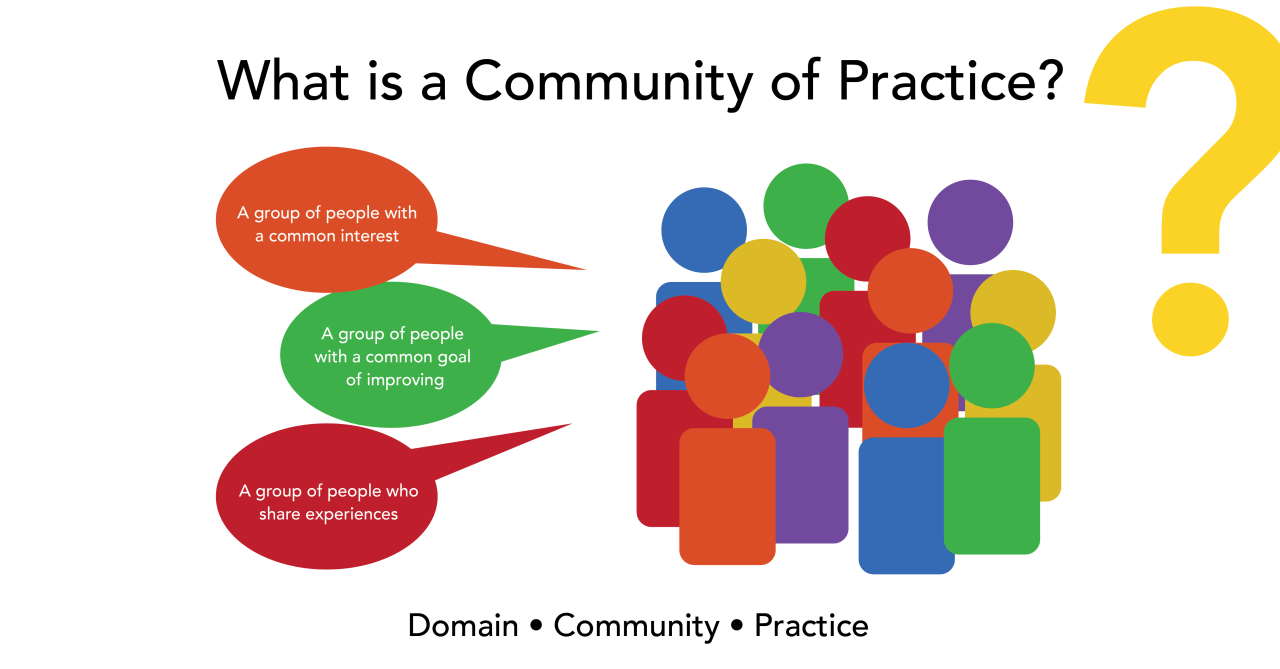
As leaders, we play a pivotal role in shaping the physical and psychological landscape of our workplaces. A mindful work environment is one that actively supports employee focus, well-being, and a sense of calm amidst daily demands. It’s about intentionally designing spaces and integrating practices that nurture a more present and engaged workforce.Leaders can significantly influence the atmosphere and productivity of their teams by consciously creating environments that foster mindfulness.
This involves both the physical layout of workspaces and the integration of regular practices that encourage mental presence and reduce stress. The cumulative effect of these efforts can lead to a more positive and effective organizational culture.
Workspace Design for Focus and Well-being
The physical design of a workspace has a profound impact on an individual’s ability to concentrate and feel at ease. Leaders can implement several strategies to create spaces that promote focus and enhance overall well-being, moving beyond purely functional arrangements to ones that support mental clarity and reduce cognitive load.Consider the following elements when designing or adapting workspaces:
- Natural Light and Biophilic Design: Maximizing natural light and incorporating elements of nature, such as plants, can significantly reduce stress and improve mood. Studies have shown that access to views of nature or indoor plants can lower blood pressure and increase feelings of calm.
- Quiet Zones and Collaboration Spaces: Delineating areas for focused, individual work separate from spaces designed for collaborative interaction helps accommodate different working styles and needs. This might involve soundproofing quiet zones or providing comfortable, informal areas for team discussions.
- Ergonomics and Comfort: Providing adjustable workstations, ergonomic chairs, and sufficient personal space contributes to physical comfort, which is foundational to mental comfort and sustained focus.
- Sensory Considerations: Minimizing distracting noises through acoustic treatments and offering options for ambient sound or quiet can cater to diverse sensory sensitivities. The use of calming colors and avoiding visual clutter also plays a role.
- Breakout Areas: Creating inviting spaces away from desks where employees can step away, recharge, and engage in informal social interaction can prevent burnout and foster creativity.
Integrating Short Mindfulness Breaks
Incorporating brief, structured mindfulness practices into the workday can serve as powerful resets, helping employees to regain focus and manage stress. These short breaks do not require extensive time commitments but can yield significant benefits when practiced consistently.Here are some effective ways to integrate short mindfulness breaks into the daily schedule:
- Scheduled “Mindful Minutes”: Leaders can designate specific times, perhaps once or twice a day, for short, voluntary mindfulness exercises. This could be a guided meditation, a breathing exercise, or simply a few moments of quiet reflection. Announcing these breaks in advance can help employees prepare.
- Walking Meditation: Encourage employees to take short walks, either outdoors or within the office, focusing their attention on the physical sensations of walking, their breath, and their surroundings. This combines gentle movement with present moment awareness.
- Mindful Listening Sessions: During team meetings, leaders can begin or end with a brief period of mindful listening, where participants are encouraged to listen without interruption or judgment, fostering deeper connection and understanding.
- Desk-Based Stretches and Breathing: Simple, seated stretches and deep breathing exercises can be done at one’s desk to release physical tension and calm the nervous system. Providing visual cues or short instructional videos can be helpful.
- “Digital Detox” Moments: Encourage short periods where employees consciously step away from screens, perhaps to look out a window, have a brief conversation, or simply sit quietly. This helps to combat digital fatigue.
A powerful phrase to remember is:
“Mindfulness is not about stopping thoughts, but about observing them without judgment.”
Influence on Company Culture and Employee Engagement
The adoption of mindful leadership practices, including the creation of mindful environments and the integration of breaks, has a ripple effect that profoundly shapes company culture and boosts employee engagement. When leaders model and champion mindfulness, it signals that well-being and presence are valued, fostering a more supportive and productive atmosphere.The influence of mindful leadership on company culture and employee engagement can be observed in several key areas:
- Enhanced Psychological Safety: A mindful environment, characterized by empathy and non-judgment, fosters psychological safety. Employees feel more comfortable expressing ideas, admitting mistakes, and taking risks without fear of negative repercussions. This is crucial for innovation and trust.
- Reduced Stress and Burnout: By actively promoting well-being and providing tools to manage stress, mindful leadership helps to mitigate burnout. This leads to a more resilient workforce and lower rates of absenteeism and turnover. For instance, companies that have implemented mindfulness programs often report a decrease in reported stress levels among employees.
- Improved Communication and Collaboration: Mindful communication strategies, coupled with an environment that encourages active listening and empathy, lead to clearer interactions and more effective teamwork. This reduces misunderstandings and conflict, fostering a more harmonious workplace.
- Increased Focus and Productivity: When employees are encouraged to be present and their work environments support concentration, their ability to focus on tasks improves. This directly translates to higher quality work and increased overall productivity.
- Greater Employee Engagement and Loyalty: Employees who feel valued, supported, and connected to their work are more likely to be engaged and loyal. A mindful culture that prioritizes employee well-being and personal growth contributes significantly to this sense of commitment. A study by the American Psychological Association found that organizations with strong employee engagement experience higher profitability and lower turnover rates.
Mindful leadership cultivates an ecosystem where individuals can thrive, leading to a more engaged, resilient, and high-performing organization.
Mindful Decision-Making and Problem-Solving

Mindful leadership extends deeply into how we approach challenges and make choices. By integrating mindfulness into our decision-making processes, we can navigate complexity with greater clarity, reduce the likelihood of reactive responses, and ensure our actions are consistently aligned with our core values and the organization’s mission. This practice transforms potential stressors into opportunities for thoughtful, effective leadership.Approaching complex problems with a clear and objective mindset is a cornerstone of mindful decision-making.
Instead of being overwhelmed by the sheer volume of information or the pressure of urgency, a mindful leader cultivates a state of focused attention. This involves observing the situation without immediate judgment, recognizing personal biases that might influence perception, and systematically breaking down the problem into its constituent parts. By creating mental space, leaders can see the situation more clearly, identifying root causes rather than just symptoms, and thereby developing more sustainable solutions.
Clarifying Complex Problems
When faced with intricate issues, the initial step is to disengage from the urge to immediately find a solution. Instead, focus on comprehensive understanding. This involves actively listening to all stakeholders, gathering diverse perspectives, and seeking factual information. The aim is to build a holistic picture of the situation, acknowledging all contributing factors and potential impacts.
- Deconstruct the Problem: Break down large, complex issues into smaller, manageable components. This allows for a more focused analysis of each element and their interrelationships.
- Identify Assumptions: Consciously question underlying assumptions about the problem, the stakeholders, and potential outcomes. Recognizing these assumptions helps to challenge preconceived notions and open up new avenues for solutions.
- Gather Objective Data: Prioritize the collection of verifiable facts and data. Distinguish between objective evidence and subjective opinions or emotional responses.
- Visualize Interconnections: Use tools like mind maps or flowcharts to visually represent the different aspects of the problem and how they connect. This can reveal patterns and leverage points that might otherwise be missed.
Aligning Decisions with Values
Making decisions that resonate with both personal and organizational values requires a conscious and deliberate process. It means moving beyond purely pragmatic considerations to incorporate ethical and principle-based thinking. When decisions are value-aligned, they foster trust, integrity, and a sense of purpose within the team and the wider organization.
- Articulate Core Values: Clearly define and communicate the guiding principles that inform both individual and organizational actions. These values should serve as a compass for all decision-making.
- Scenario Planning with Values: Before making a decision, consider how different potential outcomes align with established values. This involves asking: “Does this choice uphold our integrity? Does it demonstrate respect for our people? Does it contribute to our long-term vision?”
- Ethical Consideration Frameworks: Employ frameworks that guide ethical decision-making, such as considering the impact on all stakeholders, fairness, and accountability.
- Seek Diverse Ethical Input: Consult with individuals who represent different perspectives and ethical viewpoints within the organization to ensure a well-rounded assessment.
The Benefit of Pausing Before Responding
In challenging situations, the natural inclination can be to react quickly, often out of a sense of urgency or defensiveness. However, a mindful leader understands the profound power of pausing. This brief moment of intentional stillness creates a critical space between stimulus and response, allowing for a more considered, effective, and less reactive course of action.
“Between stimulus and response there is a space. In that space is our power to choose our response. In our response lies our growth and our freedom.”
Viktor Frankl
This pause is not about delay; it is about intentionality. It allows for:
- Emotional Regulation: By taking a breath, leaders can acknowledge and process any immediate emotional reactions (e.g., frustration, anger, anxiety) without letting them dictate their response. This leads to calmer, more rational decision-making.
- Cognitive Re-engagement: A pause allows the prefrontal cortex, responsible for higher-level thinking, to re-engage. This helps to shift from a fight-or-flight response to a more analytical and strategic mode of thinking.
- Perspective Taking: The brief delay provides an opportunity to consider the situation from multiple viewpoints, including those of others involved. This fosters empathy and leads to more collaborative and effective solutions.
- Alignment Check: The pause offers a moment to quickly check if the intended response aligns with personal and organizational values, as well as long-term goals.
Integrating Mindfulness into Team Practices
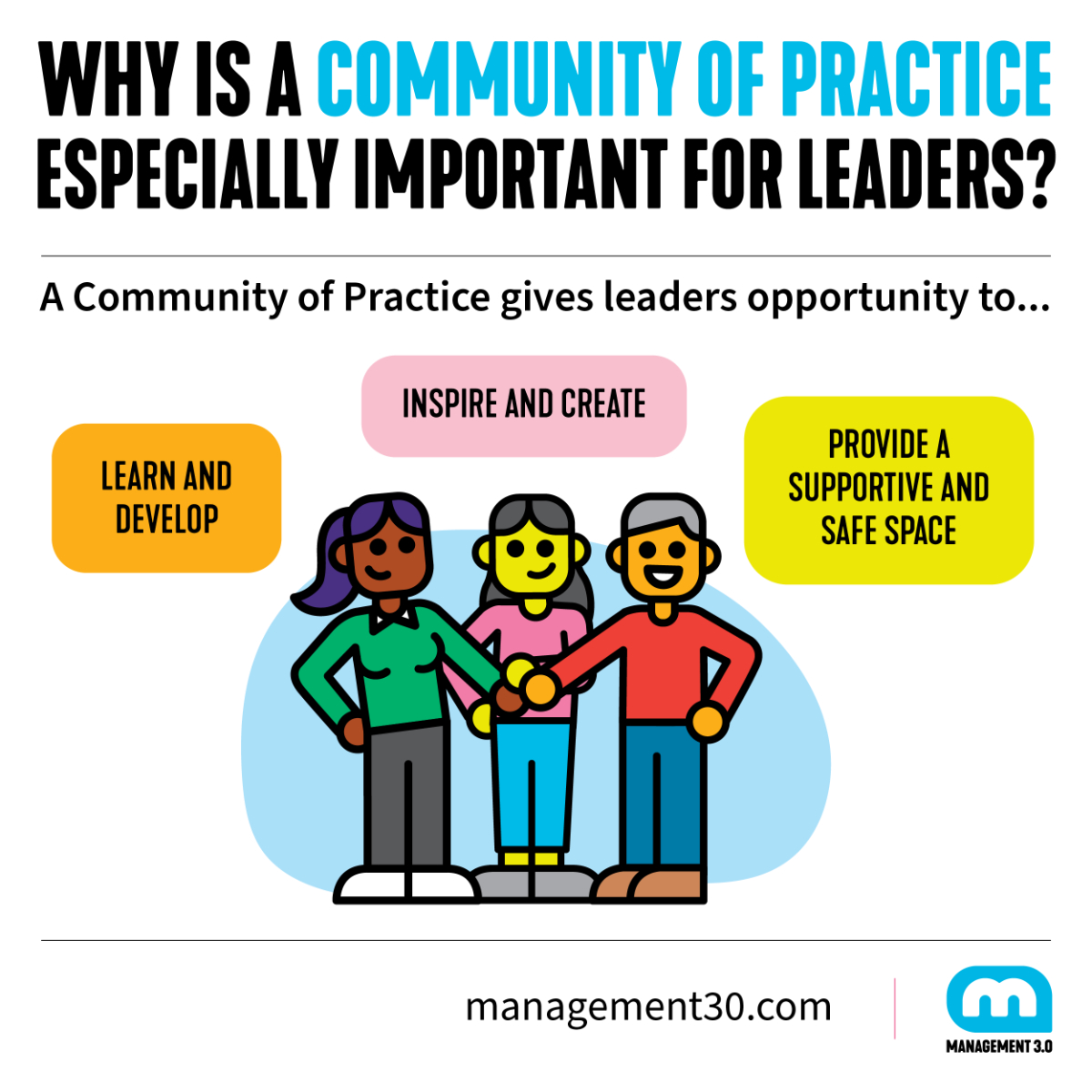
Introducing mindfulness into team practices is a powerful way to cultivate a more present, engaged, and harmonious work environment. When teams collectively embrace mindful approaches, they can significantly enhance their ability to collaborate effectively, navigate challenges with greater composure, and foster a stronger sense of connection and understanding among members. This section will explore practical methods for integrating mindfulness into your team’s routines and demonstrate its tangible benefits.Incorporating mindfulness doesn’t require extensive time commitments or specialized expertise.
It’s about weaving simple, accessible practices into the fabric of daily work life. These practices can range from brief moments of focused breathing to structured team activities designed to promote awareness and connection. The key is consistency and a genuine commitment from leadership to model and encourage these behaviors.
Introducing Mindfulness Exercises to Teams
To effectively introduce mindfulness to a team, it’s beneficial to start with accessible and varied exercises that cater to different preferences and comfort levels. The goal is to demystify mindfulness and demonstrate its practical applications in a work context.Here are several ways to introduce mindfulness exercises to your team:
- Guided Breathing Exercises: Begin team meetings with a 1-3 minute guided breathing exercise. This can be led by the facilitator or a team member. The focus is on bringing attention to the breath, helping to center the group and transition into the meeting.
- Mindful Listening Practice: During discussions, encourage team members to practice mindful listening. This involves giving their full attention to the speaker without interrupting, judging, or planning their response. This can be a stated intention at the beginning of a conversation.
- Body Scan Meditation: Short body scan meditations (5-10 minutes) can be introduced at the start or end of the day, or during breaks. This practice helps individuals become more aware of physical sensations and release tension.
- Mindful Walking Breaks: Encourage short, intentional walking breaks where individuals focus on the sensations of walking, their surroundings, and their breath, rather than engaging with their phones or work thoughts.
- Gratitude Moments: Dedicate a few minutes at the end of a meeting or week for team members to share something they are grateful for. This cultivates a positive outlook and strengthens interpersonal bonds.
- Mindful Check-ins: Start meetings with a brief check-in where each person shares one word or a short phrase about how they are feeling, without needing to elaborate extensively. This acknowledges individual presence and emotional states.
Sample Agenda for a Team Meeting Incorporating Mindful Elements
A well-structured team meeting can serve as an excellent platform to integrate mindful practices, enhancing both the efficiency of the meeting and the well-being of the participants. The following sample agenda illustrates how mindfulness can be woven into a typical team meeting, transforming it into a more connected and productive session.Here is a sample agenda for a one-hour team meeting:
- 5 Minutes: Mindful Welcome and Centering. Begin with a brief guided breathing exercise or a moment of silence to help the team transition into the meeting space, leaving external distractions behind and fostering a sense of presence.
- 10 Minutes: Mindful Check-in. Each team member shares a brief update on their current focus or state, using a single word or short phrase. This promotes active listening and acknowledges each person’s presence.
- 25 Minutes: Collaborative Discussion with Mindful Listening. When discussing agenda items, the facilitator can remind participants to practice mindful listening, ensuring everyone has an opportunity to speak and be heard without interruption.
- 10 Minutes: Mindful Problem-Solving. When addressing challenges, encourage the team to approach solutions with curiosity and openness, rather than judgment. This involves pausing before reacting and considering multiple perspectives.
- 5 Minutes: Action Planning and Mindful Commitment. Clearly define next steps and assign responsibilities. Encourage team members to mindfully commit to their tasks, acknowledging the effort involved.
- 5 Minutes: Mindful Closing and Gratitude. End the meeting with a brief reflection on what went well or a shared moment of gratitude. This reinforces positive interactions and leaves participants with a sense of closure and appreciation.
How Mindful Practices Improve Collaboration and Reduce Conflict
The integration of mindfulness into team practices has a profound and positive impact on how team members interact, collaborate, and resolve disagreements. By cultivating greater self-awareness, emotional regulation, and empathy, teams can foster a more supportive and productive atmosphere, significantly reducing the likelihood and intensity of conflicts.Mindful practices directly contribute to improved collaboration and conflict reduction through several key mechanisms:
- Enhanced Communication: Mindful listening ensures that team members truly hear and understand each other’s perspectives, reducing misunderstandings that often fuel conflict. When individuals feel heard and validated, they are more open to compromise and collaboration.
- Increased Empathy and Understanding: Practices like mindful check-ins and gratitude moments help team members connect on a more human level, fostering empathy. Understanding colleagues’ challenges and viewpoints makes it easier to work together and navigate differences constructively.
- Improved Emotional Regulation: Mindfulness equips individuals with the ability to recognize and manage their emotions, particularly in stressful situations. This self-awareness prevents impulsive reactions that can escalate conflicts, allowing for more thoughtful and measured responses.
- Greater Focus and Presence: When teams are more present during discussions and collaborative tasks, they are less prone to distractions and more attuned to the nuances of the situation. This shared focus leads to more effective problem-solving and a reduced likelihood of errors that can cause friction.
- Constructive Conflict Resolution: Instead of avoiding conflict or engaging in unproductive arguments, mindful teams can approach disagreements as opportunities for growth. They can pause, assess the situation objectively, and engage in dialogue that seeks understanding and mutually beneficial solutions.
The practice of mindfulness at a team level cultivates an environment where open communication, mutual respect, and a shared sense of purpose can flourish, thereby minimizing conflict and maximizing collaborative potential.
Overcoming Challenges in Mindful Leadership
Embarking on the journey of mindful leadership is a rewarding endeavor, yet it is not without its inherent challenges. Leaders often encounter internal and external obstacles that can impede their progress and commitment to mindfulness. Understanding these common hurdles and developing effective strategies to navigate them is crucial for sustained growth and impact.This section delves into the prevalent difficulties leaders face in practicing mindfulness at work, offering practical approaches to address resistance and maintain consistency amidst demanding professional lives.
By acknowledging and actively managing these challenges, leaders can solidify their mindful leadership practices and foster a more supportive and effective work environment.
Common Obstacles in Mindful Leadership Practice
Leaders striving to integrate mindfulness into their professional lives frequently encounter a predictable set of obstacles. These can range from internal battles with self-doubt and ingrained habits to external pressures such as demanding workloads and skeptical team dynamics. Recognizing these common impediments is the first step towards developing resilience and adaptive strategies.The following are frequently observed challenges:
- Time Constraints: The perception that there is insufficient time for mindfulness practice due to packed schedules and competing priorities.
- Internal Resistance: The tendency for the mind to wander, to judge the practice, or to feel that mindfulness is unproductive or a luxury.
- External Skepticism: Team members or colleagues may question the value or effectiveness of mindfulness, leading to a lack of support or even resistance.
- Habitual Reactions: Deeply ingrained patterns of stress, reactivity, and automatic responses that are difficult to interrupt.
- Perceived Lack of Immediate Results: Expecting instant transformation or tangible outcomes from mindfulness practice, leading to discouragement.
- Workplace Culture: Environments that prioritize constant busyness, high-pressure situations, and a lack of psychological safety can make mindfulness feel out of place.
Strategies for Overcoming Resistance
Addressing resistance, whether from oneself or from team members, requires a thoughtful and empathetic approach. The goal is not to force mindfulness but to cultivate understanding, demonstrate its benefits through action, and create a supportive environment where it can flourish.When faced with resistance, consider the following strategic interventions:
- Lead by Example: Demonstrating the positive impact of mindfulness through your own behavior, such as remaining calm under pressure, listening attentively, and making thoughtful decisions. This provides tangible evidence of its value.
- Educate and Explain: Clearly articulate the purpose and benefits of mindfulness in a way that resonates with the team’s goals and challenges. Focus on practical applications like improved focus, reduced errors, and better collaboration.
- Start Small and Gradual: Introduce mindfulness practices in bite-sized, manageable ways. For instance, begin with short guided meditations or moments of mindful breathing integrated into team meetings, rather than expecting long, formal sessions immediately.
- Offer Choice and Flexibility: Allow individuals to engage with mindfulness in ways that feel comfortable and relevant to them. Not everyone will respond to the same approach, so offering a variety of techniques can be beneficial.
- Address Concerns Directly: Create safe spaces for team members to voice their concerns or skepticism. Listen actively and respond with understanding, acknowledging their perspectives while gently reframing the benefits.
- Highlight Tangible Benefits: Connect mindfulness practices to specific improvements in team performance, such as enhanced problem-solving, better conflict resolution, or increased creativity.
Maintaining a Consistent Mindfulness Practice Amidst Demanding Schedules
The demands of leadership can often feel overwhelming, making it challenging to consistently integrate mindfulness into daily routines. However, consistency is key to realizing the full benefits of mindfulness. The following strategies are designed to help leaders maintain their practice, even when time is scarce and pressure is high.To ensure continuity in your mindfulness practice, even with a demanding schedule, consider these practical approaches:
- Integrate, Don’t Add: Instead of viewing mindfulness as an additional task, look for opportunities to weave it into existing activities. For example, practice mindful listening during conversations, mindful walking during breaks, or mindful eating during lunch.
- Schedule It Like a Meeting: Treat your mindfulness practice with the same importance as a crucial business meeting. Block out specific times in your calendar, even if it’s just 5-10 minutes, and protect that time.
- Leverage Transition Times: Use moments of transition between tasks or meetings as opportunities for brief mindfulness exercises. A few deep breaths before starting a new task or after ending a call can be highly effective.
- Utilize Technology Wisely: Employ mindfulness apps that offer short, guided meditations or breathing exercises that can be accessed on demand. Set reminders to prompt practice.
- Practice Mindful Pauses: Intentionally build short pauses into your day. Before responding to an email, before entering a meeting, or after a challenging interaction, take a moment to pause, breathe, and center yourself.
- Focus on Quality over Quantity: A few minutes of focused, intentional mindfulness practice is more beneficial than a longer, distracted session. The depth of your presence matters more than the duration.
- Cultivate Self-Compassion: Recognize that there will be days when practice is missed. Instead of falling into self-criticism, acknowledge the lapse with kindness and recommit to practicing when possible.
Ending Remarks
In conclusion, mastering mindful leadership is an ongoing practice that enriches both the leader and the organization. By embracing self-awareness, present moment focus, empathy, and effective communication, leaders can navigate challenges with grace, build stronger relationships, and cultivate a truly positive and productive work environment for everyone.