How to Practice Mindful Speaking to Communicate Better sets the stage for this enthralling narrative, offering readers a glimpse into a story that is rich in detail and brimming with originality from the outset.
This guide delves into the profound art of mindful speaking, exploring its core principles and the remarkable benefits it brings to our interactions. We will uncover how cultivating awareness, both of ourselves and others, can transform our conversations, leading to deeper connections and more meaningful relationships. Prepare to discover practical techniques that empower you to speak with intention, clarity, and empathy, ultimately enhancing every facet of your communication.
Understanding Mindful Speaking

Mindful speaking is a communication practice that involves bringing intentional awareness to our words, intentions, and the impact they have on ourselves and others. It’s about speaking with presence, clarity, and compassion, moving beyond habitual or reactive communication patterns. By cultivating mindfulness in our speech, we can foster deeper connections and more effective interactions.This approach to communication encourages us to pause before speaking, consider our purpose, and choose our words with care.
It’s not about censorship, but rather about conscious expression. The benefits extend beyond mere politeness; they touch upon genuine understanding, conflict resolution, and the cultivation of a more positive communication environment.
Core Principles of Mindful Speaking
The essence of mindful speaking lies in several key principles that guide our verbal interactions. These principles encourage a deliberate and thoughtful approach to communication, transforming how we express ourselves and engage with others.
- Awareness of Thoughts and Emotions: Recognizing the internal state that precedes speech. This involves noticing what thoughts and feelings are present and how they might influence the words we choose.
- Intentionality: Speaking with a clear purpose. Before uttering a word, considering what we aim to achieve or convey with our communication.
- Presence: Being fully engaged in the moment of speaking and listening. This means dedicating our attention to the conversation without being distracted by past regrets or future anxieties.
- Non-judgment: Approaching our own speech and the speech of others without immediate criticism. This fosters an open and receptive attitude, allowing for better understanding.
- Compassion: Speaking with kindness and empathy, both towards ourselves and the recipient of our words. This involves considering the feelings and perspectives of others.
- Clarity and Conciseness: Expressing thoughts and ideas in a way that is easy to understand and avoids ambiguity. This involves choosing words deliberately to convey meaning effectively.
Benefits of Incorporating Mindfulness into Communication
Integrating mindfulness into our speaking habits offers a wide array of advantages, enhancing not only our personal interactions but also our overall well-being and effectiveness in various life domains. These benefits contribute to a more harmonious and productive communication landscape.The practice of mindful speaking can lead to:
- Reduced misunderstandings and conflicts due to clearer, more intentional communication.
- Increased empathy and understanding in conversations, fostering stronger connections.
- Enhanced listening skills, as mindfulness encourages full attention to the speaker.
- Greater self-awareness regarding our communication patterns and their impact.
- Improved ability to express needs and boundaries assertively yet respectfully.
- A sense of calm and control during potentially stressful conversations.
- Greater authenticity and genuineness in our interactions.
Connection Between Mindful Speaking and Improved Interpersonal Relationships
Mindful speaking serves as a powerful catalyst for strengthening interpersonal relationships. By consciously choosing how we communicate, we lay the foundation for trust, respect, and deeper emotional connection. This deliberate approach to dialogue moves us away from superficial exchanges towards meaningful engagement.The impact of mindful speaking on relationships can be observed in several key areas:
- Building Trust: When individuals speak mindfully, their words tend to be more honest, consistent, and considerate, which builds a strong sense of trust over time. For example, consistently speaking with intention and empathy in a partnership can prevent small disagreements from escalating into larger conflicts, thereby reinforcing trust.
- Enhancing Empathy: Mindful speakers are more attuned to the emotional states of others, allowing them to respond with greater compassion and understanding. This can be seen in a workplace scenario where a manager, practicing mindful speaking, listens empathetically to an employee’s concerns about workload, leading to a more supportive and collaborative team environment.
- Resolving Conflicts Constructively: The ability to pause, listen, and respond thoughtfully, core tenets of mindful speaking, is crucial for navigating disagreements. Instead of reacting defensively, a mindful communicator might say, “I hear your concern about the project deadline. Can we explore what specific challenges you’re facing so we can find a solution together?” This approach de-escalates tension and promotes collaborative problem-solving.
- Fostering Deeper Connections: By speaking with presence and authenticity, mindful communicators create space for genuine connection. In family dynamics, for instance, taking the time to truly listen and respond with care during conversations can deepen bonds and create a more emotionally secure environment.
Common Barriers to Mindful Speaking in Everyday Conversations
Despite its clear benefits, practicing mindful speaking in the hustle and bustle of daily life can present several challenges. These barriers often stem from ingrained habits, external pressures, and internal states that pull us away from conscious communication.Some prevalent obstacles to mindful speaking include:
- Distractions and Multitasking: In our hyper-connected world, the constant influx of notifications and the pressure to manage multiple tasks simultaneously can fragment our attention, making it difficult to be fully present in a conversation.
- Emotional Reactivity: Strong emotions such as anger, frustration, or anxiety can trigger impulsive speech. When we are overwhelmed by emotion, our rational thought processes can be bypassed, leading to regrettable words. For example, a heated argument where individuals speak without considering the impact of their words often results in hurt feelings and damaged relationships.
- Habitual Communication Patterns: We often fall into familiar ways of speaking, such as interrupting, using filler words excessively, or resorting to accusatory language, without realizing it. These deeply ingrained habits are difficult to break without conscious effort.
- Assumptions and Preconceived Notions: Entering conversations with pre-formed opinions or assumptions about the other person or the topic at hand can cloud our judgment and prevent us from truly listening and responding mindfully.
- Fear of Vulnerability or Conflict: Some individuals may avoid speaking mindfully for fear of appearing too soft, of being misunderstood, or of escalating a conflict. This can lead to indirect communication or avoidance of important discussions.
- Time Pressure: In fast-paced environments, there can be a perceived lack of time to pause and reflect before speaking, leading to rushed and less considered communication.
Cultivating Awareness for Mindful Speaking
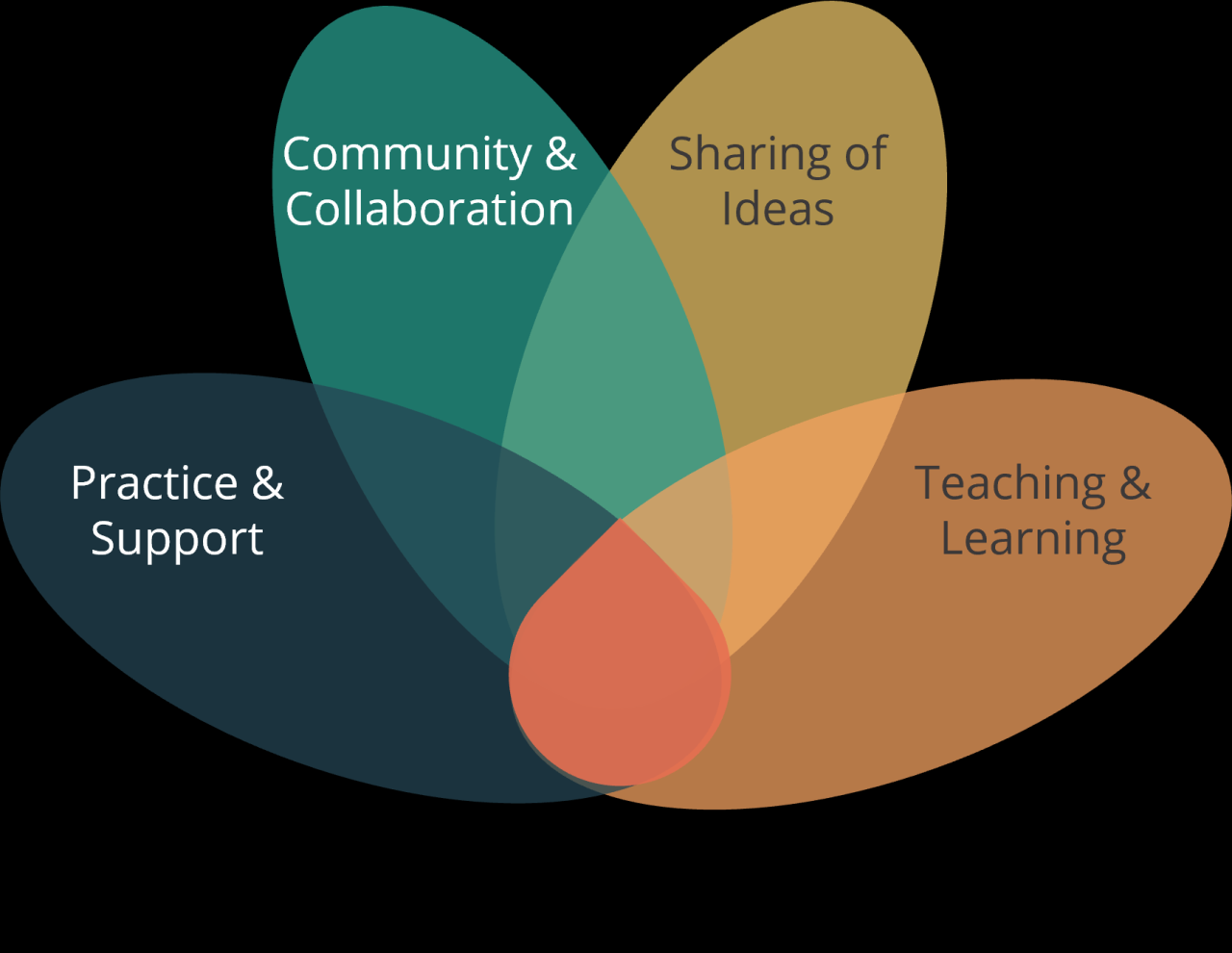
Cultivating awareness is the cornerstone of mindful speaking. It involves developing a keen understanding of our internal landscape – our thoughts, emotions, and physical sensations – and how these influence our communication. This heightened self-awareness allows us to choose our words and delivery consciously, rather than reacting impulsively. By fostering this internal attentiveness, we can transform our conversations into more intentional and impactful exchanges.This section delves into practical techniques to cultivate this essential awareness.
We will explore methods for tuning into ourselves before we speak, observing our inner state during conversations, and understanding the crucial role of listening in mindful communication. Ultimately, these practices empower us to become more present and effective communicators.
Developing Self-Awareness Before Speaking
Before uttering a single word, taking a moment to connect with your internal state is crucial. This pause allows you to assess your readiness to communicate and to ensure your message aligns with your intentions. By understanding your current mindset, you can approach the conversation with greater clarity and purpose.Techniques for developing this pre-speaking awareness include:
- Body Scan: Briefly bring your attention to your physical sensations. Notice any tension, relaxation, or discomfort in your body. This can provide clues about your emotional state. For instance, a tight jaw might indicate stress, while relaxed shoulders could suggest openness.
- Breath Awareness: Focus on the sensation of your breath entering and leaving your body. This simple practice anchors you in the present moment and can help to calm an agitated mind. Observing the rhythm of your breath can be a gentle way to transition into a more centered state.
- Thought Observation: Gently observe the thoughts passing through your mind without judgment. Are they racing, repetitive, or focused? Recognizing the nature of your thoughts helps you to identify potential biases or preoccupations that might affect your communication.
- Emotional Check-in: Acknowledge any emotions you are experiencing. Are you feeling anxious, excited, frustrated, or calm? Simply naming the emotion can reduce its intensity and prevent it from hijacking your communication. For example, recognizing “I feel a bit defensive” can prompt you to respond more constructively.
Observing Thoughts and Emotions During Communication
During a conversation, maintaining awareness of your internal experience is an ongoing practice. It means being present not only with the other person but also with yourself, noticing how your thoughts and feelings shift in response to the dialogue. This continuous self-monitoring allows for real-time adjustments, ensuring your communication remains authentic and aligned with your intentions.Methods for observing your thoughts and emotions in the moment include:
- Labeling: As thoughts or emotions arise, gently label them. For instance, you might silently note “curiosity,” “frustration,” “agreement,” or “distraction.” This act of labeling creates a small space between you and the experience, allowing for more objective observation.
- Noticing Physical Cues: Pay attention to physical manifestations of your emotions. A racing heart might indicate nervousness, a flushed face could signal embarrassment, or a knot in your stomach might suggest unease. These bodily signals are valuable indicators of your inner state.
- Internal Dialogue Awareness: Be aware of the running commentary in your mind. Are you formulating your next response, judging the speaker, or getting lost in your own thoughts? Recognizing this internal dialogue helps you to disengage from unproductive mental chatter and focus on the present interaction.
- Sensation Tracking: Observe any physical sensations that accompany your thoughts and emotions. For instance, you might notice a warmth when feeling appreciated or a coolness when feeling distant. These somatic experiences offer a direct connection to your emotional landscape.
Active Listening as a Component of Mindful Speaking
Active listening is not merely about hearing words; it is about deeply understanding the speaker’s message, both explicit and implicit. It is a foundational element of mindful speaking because it shifts the focus from self-expression to mutual understanding. When we listen actively, we create a safe space for genuine connection and more effective communication.The importance of active listening in mindful speaking is multifaceted:
- Demonstrates Respect: When you listen attentively, you convey that you value the speaker and their perspective. This fosters trust and encourages openness.
- Enhances Understanding: By fully engaging with what is being said, you gain a more comprehensive grasp of the speaker’s meaning, intentions, and underlying emotions. This reduces misunderstandings and the need for clarification.
- Promotes Empathy: Active listening involves trying to see the situation from the speaker’s point of view, fostering empathy and a deeper connection.
- Informs Your Response: A thorough understanding of the speaker’s message allows you to formulate a response that is relevant, considerate, and constructive.
To practice active listening effectively, consider these techniques:
- Maintain Eye Contact: When culturally appropriate, sustained eye contact signals your engagement and attention.
- Nod and Use Encouraging Gestures: Small nods and other non-verbal cues indicate that you are following along and encourage the speaker to continue.
- Paraphrase and Summarize: Periodically rephrase what you have heard in your own words to confirm understanding. For example, “So, if I understand correctly, you’re feeling overwhelmed by the project deadline?”
- Ask Clarifying Questions: When unsure, ask open-ended questions to gain further insight. “Could you tell me more about what you mean by…?”
- Avoid Interrupting: Allow the speaker to finish their thoughts completely before responding.
- Listen for Underlying Emotions: Pay attention to the tone of voice, body language, and word choices to discern the speaker’s emotional state.
Self-Reflection Exercise for Practicing Awareness in Conversations
Engaging in regular self-reflection after conversations is a powerful way to solidify the practices of mindful speaking and to identify areas for growth. This exercise allows you to process your experiences, learn from them, and refine your approach for future interactions. It is a vital step in transforming awareness into consistent mindful communication.Here is a structured self-reflection exercise you can implement: Post-Conversation Reflection:After a significant conversation, dedicate a few minutes to reflect on the following:
- Recall the Conversation: Briefly bring the conversation back to mind. What was the general topic and who was involved?
- Your Internal State:
- Before the conversation, what was your predominant thought or emotion?
- During the conversation, what thoughts and emotions arose? Were there any shifts?
- Did you notice any physical sensations that corresponded with your emotions?
- Your Speaking:
- Were your words aligned with your intentions?
- Did you speak with clarity and conciseness?
- Were there moments when you felt you spoke impulsively or reactively? What triggered this?
- Your Listening:
- How well did you listen to the other person?
- Did you make an effort to understand their perspective?
- Were there opportunities where you could have listened more actively?
- Key Learnings:
- What is one thing you did well in this conversation that you would like to continue?
- What is one aspect of your communication that you would like to improve in future conversations?
- Were there any particular insights or realizations you had about yourself or the communication process?
By consistently engaging in this reflective practice, you will gradually build a deeper understanding of your communication patterns and develop greater skill in mindful speaking.
Practical Techniques for Mindful Speaking
To move from understanding the principles of mindful speaking to actively integrating it into your daily interactions, it’s essential to engage in practical exercises. These techniques are designed to build conscious habits, allowing you to communicate with greater clarity, intention, and connection. By dedicating time to practice, you can transform mindful speaking from an abstract concept into a tangible skill that enhances your relationships and effectiveness.This section will guide you through actionable strategies, including developing the habit of pausing, selecting words with purpose, becoming aware of your non-verbal communication, and fostering empathetic responses.
These are not merely suggestions but foundational elements for cultivating a more mindful approach to every conversation.
Applying Mindful Speaking in Different Contexts

Mindful speaking is not merely an abstract concept; its true power lies in its practical application across the diverse landscapes of our lives. By consciously integrating mindful speaking principles, we can significantly elevate the quality of our interactions, fostering deeper understanding and more constructive outcomes. This section explores how this practice can be a transformative tool in professional settings, conflict resolution, and personal relationships, culminating in a practical exercise to solidify these skills.
Enhancing Communication Through Mindful Speaking

Mindful speaking is a powerful tool that significantly elevates the quality and effectiveness of our communication. By bringing conscious awareness to our words, intentions, and delivery, we can transform how we connect with others, fostering clarity, understanding, and stronger relationships. This approach moves beyond simply conveying information to truly engaging in meaningful dialogue.The practice of mindful speaking cultivates a deeper level of connection by ensuring our messages are not only heard but also understood as intended.
It involves a deliberate and thoughtful approach to verbal expression, prioritizing authenticity, empathy, and precision. This intentionality can dramatically reduce the friction often present in communication, leading to more productive and harmonious interactions.
Clarity in Message Delivery
Mindful speaking directly contributes to clearer messages by encouraging speakers to pause, reflect, and choose their words with intention. This deliberate process helps to organize thoughts before they are vocalized, ensuring a logical flow and precise articulation. When speakers are mindful, they are less likely to speak impulsively, which often results in rambling or ambiguous statements.The core of achieving clarity lies in the speaker’s internal state.
A mindful speaker is aware of their own thoughts and emotions, allowing them to select language that accurately represents their intended meaning. This self-awareness prevents the projection of unintended emotions or biases onto the message, ensuring it remains objective and focused.
Reducing Misunderstandings Through Intentional Communication
Misunderstandings often arise from a disconnect between what is said and what is perceived, frequently fueled by assumptions, haste, or a lack of clarity in delivery. Intentional communication, a cornerstone of mindful speaking, actively combats these issues by prioritizing precision and context.Methods for reducing misunderstandings include:
- Active Listening Integration: While mindful speaking focuses on the speaker, its effectiveness is amplified by active listening. A mindful speaker will often check for understanding by asking clarifying questions or observing non-verbal cues, demonstrating a commitment to mutual comprehension.
- Concise and Direct Language: Mindful speakers strive to use language that is as clear and concise as possible, avoiding jargon, clichés, or overly complex sentence structures that can obscure the message.
- Contextual Awareness: Understanding the audience and the situation is crucial. Mindful speakers consider who they are speaking to and the environment, adapting their language and tone to ensure the message is received appropriately. For instance, explaining a complex technical concept to a layperson requires a different approach than discussing it with a peer.
- Pausing and Reflecting: Deliberately pausing before speaking, or between points, allows for a moment of reflection. This brief pause can help catch potential ambiguities or unintended implications before they are voiced, giving the speaker a chance to refine their thoughts.
Impact of Mindful Speaking on Building Trust
Trust is the bedrock of any strong relationship, whether personal or professional, and mindful speaking plays a pivotal role in its cultivation. When individuals communicate mindfully, they convey a sense of reliability, respect, and authenticity that fosters deeper connections.The impact on trust is multifaceted:
- Authenticity and Transparency: Mindful speakers are more likely to express themselves genuinely. This authenticity, coupled with a willingness to be transparent about their intentions and thought processes, builds confidence in their words and actions.
- Respect for Others: By speaking mindfully, individuals demonstrate respect for their listeners. This includes considering their perspective, avoiding interruptive or dismissive language, and ensuring their communication is considerate and constructive.
- Consistency in Communication: Mindful speaking often leads to more consistent communication. When messages are delivered thoughtfully and with integrity, others learn to rely on the speaker’s word, strengthening the foundation of trust over time.
- Reduced Conflict: Misunderstandings are a common source of conflict. By reducing these misunderstandings through intentional communication, mindful speaking helps to prevent unnecessary friction and promotes a more harmonious environment, further solidifying trust.
Consider a scenario in a team meeting where a project deadline is missed. A non-mindful response might be defensive or accusatory. In contrast, a mindful speaker would acknowledge the situation, express concern for the impact, and focus on collaborative problem-solving, fostering trust rather than eroding it.
Adapting Mindful Speaking Techniques for Different Communication Channels
The principles of mindful speaking are universally applicable, but their practical application requires adaptation based on the communication channel. Each medium presents unique opportunities and challenges that influence how we can best practice intentional communication.Here’s how mindful speaking techniques can be adapted:
| Communication Channel | Adaptation Strategies |
|---|---|
| Email and Written Communication |
|
| Video Calls and Virtual Meetings |
|
| Phone Calls and Voice Messages |
|
Last Point

In essence, embracing mindful speaking is not merely about refining our words; it is about fostering a more connected and understanding world, one conversation at a time. By integrating these practices into our daily lives, we unlock the potential for clearer messages, stronger trust, and richer interpersonal bonds across all our communication channels. May this journey inspire you to speak with greater presence and purpose.