How to Practice Mindfulness While Using Social Media, the narrative unfolds in a compelling and distinctive manner, drawing readers into a story that promises to be both engaging and uniquely memorable.
In our hyper-connected world, the constant allure of social media often pulls us away from the present moment. This guide explores the inherent conflict between digital platforms and mindful living, detailing how social media can disrupt our awareness and the psychological effects of continuous digital stimulation. We will delve into practical techniques, from breathing exercises and body scans to mindful observation and guided meditations, all tailored to help you navigate the digital landscape with greater presence and intention.
Discover how to transform your social media habits from passive consumption to conscious engagement, fostering genuine connection and well-being.
Understanding the Challenge: Mindfulness and Social Media
The pervasive nature of social media platforms presents a unique and often unconscious challenge to practicing mindfulness. These digital spaces, meticulously designed to capture and retain our attention, operate on principles that are fundamentally at odds with the core tenets of mindful awareness. Understanding this inherent conflict is the crucial first step in navigating social media more intentionally.Social media platforms are engineered to foster continuous engagement through a complex interplay of algorithms, notifications, and variable rewards.
This design inherently pulls us away from the present moment, encouraging a state of distraction and reactivity rather than calm observation. The constant stream of information, social comparisons, and the pursuit of validation can easily hijack our attention, making it difficult to anchor ourselves in our current experience.
The Inherent Conflict Between Social Media Design and Mindfulness Principles
Social media platforms are built to maximize user engagement and time spent on the app. This is often achieved through features that exploit psychological principles, such as intermittent variable rewards, which are known to be highly addictive. The goal is to keep users scrolling, liking, and commenting, thereby fostering a state of constant, often unfocused, attention. In contrast, mindfulness cultivates a deliberate and non-judgmental awareness of the present moment, encouraging a pause and observation rather than a habitual reaction.
The constant barrage of notifications, personalized content feeds, and the fear of missing out (FOMO) actively work against the principles of slowing down, observing without judgment, and being fully present.
Disruption of Present Moment Awareness by Social Media Use
The very architecture of social media platforms is designed to pull users away from their immediate surroundings and internal states. Notifications, in particular, serve as direct interruptions, breaking concentration and demanding immediate attention. This creates a cycle where users are constantly reacting to external stimuli rather than engaging with their present experience. Furthermore, the curated nature of online content often leads to comparisons with others’ idealized lives, fostering feelings of inadequacy or envy, which are significant distractions from appreciating one’s own reality.
Common Triggers and Patterns of Mindless Social Media Engagement
Several common triggers and patterns contribute to mindless social media engagement. These often arise from habitual behaviors and emotional states.
- Boredom or Procrastination: Reaching for the phone as a default activity when experiencing downtime or avoiding a task.
- Emotional Reactivity: Using social media to seek distraction or validation when feeling anxious, sad, or stressed.
- Habitual Checking: The ingrained habit of opening social media apps at specific times or in response to subtle cues, such as waiting in line or during commercial breaks.
- Algorithmic Nudging: Content feeds are designed to present engaging material that keeps users scrolling, creating a passive consumption loop.
- Social Comparison: The unconscious tendency to compare one’s own life, achievements, or appearance to the often-idealized portrayals seen online.
Psychological Effects of Constant Digital Stimulation on Attention and Well-being
The continuous influx of digital stimuli from social media has profound effects on our cognitive functions and overall psychological well-being. The brain, constantly bombarded with novel information and the demand for quick processing, adapts by becoming more susceptible to distraction and less capable of sustained focus. This can manifest in several ways:
- Decreased Attention Span: The rapid-fire nature of content encourages shallow processing and makes it harder to engage in deep, focused thinking or activities that require prolonged concentration. Research suggests that frequent multitasking, often facilitated by social media, can lead to a diminished ability to filter out irrelevant information.
- Increased Anxiety and Stress: The pressure to maintain an online presence, the fear of missing out (FOMO), and exposure to negative news or cyberbullying can significantly contribute to heightened anxiety and stress levels. The constant comparison with others can also fuel feelings of inadequacy and low self-esteem.
- Impaired Emotional Regulation: The immediate gratification offered by social media can lead to a reliance on external validation, making it harder to develop internal coping mechanisms for difficult emotions. This can result in a more volatile emotional state and a reduced capacity to manage feelings constructively.
- Sleep Disturbances: The blue light emitted from screens can interfere with melatonin production, making it harder to fall asleep. Furthermore, the mental stimulation from engaging with social media before bed can lead to racing thoughts and an inability to relax, impacting sleep quality.
- Reduced Empathy and Social Skills: Over-reliance on digital communication can sometimes lead to a decline in face-to-face social skills and a reduced capacity for empathic understanding, as non-verbal cues and deeper emotional connections are often lost in online interactions.
Foundational Mindfulness Techniques for Digital Use
Integrating mindfulness into our daily lives, especially when navigating the digital landscape, can significantly enhance our well-being and control over our online experiences. The following techniques provide practical ways to cultivate present-moment awareness, even amidst the constant stream of information from social media. These methods are designed to be accessible and can be incorporated before, during, or after your time spent online.By developing a mindful approach to digital interactions, we can shift from reactive engagement to intentional participation.
This not only helps in managing the potential downsides of social media, such as distraction and overwhelm, but also allows us to appreciate the benefits it can offer more fully. The core of these techniques lies in bringing gentle, non-judgmental attention to our internal and external experiences.
Mindful Breathing Exercises for Digital Engagement
Mindful breathing is a cornerstone of mindfulness practice, offering a simple yet profound way to anchor yourself in the present moment. It is particularly effective when you feel your attention fragmenting or when you want to set a more intentional tone before engaging with social media. These exercises can be performed discreetly and require no special equipment.Here is a step-by-step guide to practicing mindful breathing before and during social media sessions:
- Preparation: Find a comfortable posture, whether sitting at a desk or holding your phone. You can close your eyes gently if comfortable, or soften your gaze.
- Focus on the Breath: Bring your awareness to the sensation of your breath entering and leaving your body. Notice the rise and fall of your chest or abdomen.
- Inhale and Exhale: Simply observe the natural rhythm of your breath without trying to change it. Feel the air as it enters through your nostrils and as it leaves.
- Acknowledge Distractions: When your mind wanders to social media notifications or other thoughts, gently acknowledge them without judgment. Then, kindly guide your attention back to the breath.
- Duration: Begin with just one to three minutes. For a pre-session practice, you might extend this to five minutes to establish a calm baseline. During a session, even a few mindful breaths can be restorative.
This practice helps to calm the nervous system and create a mental space before diving into the often stimulating environment of social media.
Body Scan Techniques for Digital Distraction
The body scan is a practice that cultivates awareness of physical sensations throughout the body. When using social media, it’s common to become so engrossed that we neglect our physical state, leading to tension or discomfort. Adapting the body scan can help you reconnect with your body and recognize signs of stress or fatigue.To adapt body scan techniques for moments of digital distraction:
- Brief Check-in: Instead of a full-body scan, conduct mini-scans focusing on areas that tend to hold tension during digital use, such as the shoulders, neck, jaw, and eyes.
- Sensation Awareness: As you scroll, periodically pause and bring your attention to these areas. Notice any tightness, warmth, coolness, or other sensations without needing to fix them.
- Gentle Release: If you notice tension, you can consciously try to soften the muscles in that area. For instance, if your shoulders are hunched, allow them to drop away from your ears.
- Posture Awareness: Use the body scan to check in with your posture. Are you slouching? Is your back supported? Adjust your position for comfort and better alignment.
- Intermittent Practice: Integrate these mini-scans every 15-20 minutes of social media use, or whenever you notice a physical cue, like a stiff neck or tired eyes.
These brief interjections of body awareness can prevent the build-up of physical strain and serve as a gentle reminder to take breaks and care for your physical well-being.
Mindful Observation of Scrolling Behavior
Mindful observation involves paying attention to your actions and the sensations associated with them, without judgment. When applied to social media scrolling, it means observing your own behavior and the internal states that arise as you navigate through content. This awareness can reveal patterns and motivations behind your scrolling.To apply mindful observation to your scrolling behavior:
- Notice the Urge: Become aware of the impulse to pick up your phone or open a social media app. What triggers this urge? Is it boredom, habit, or a specific emotion?
- Observe the Scroll: As you scroll, pay attention to the physical act of moving your thumb or finger. Notice the speed and rhythm of your scrolling. Is it fast and frantic, or slow and deliberate?
- Acknowledge Content: Observe the content that appears without getting caught up in it. Notice your reactions – are you feeling curious, entertained, anxious, or indifferent? Simply register these feelings.
- Recognize Patterns: Pay attention to how long you scroll and what types of content tend to hold your attention. Are there specific accounts or topics that lead you down rabbit holes?
- Intentional Pausing: Practice pausing between posts. Take a breath and consider whether you want to continue scrolling or if it’s time to move on. This pause creates a moment of choice.
By observing your scrolling behavior with curiosity, you gain insight into your digital habits and can begin to make more conscious choices about how you spend your time online.
Guided Meditation for Digital Detachment
This short guided meditation is designed to help you create a sense of space between yourself and the digital input you receive from social media. It can be used before or after a social media session, or at any point you feel overwhelmed by digital stimuli.
“Find a comfortable position, either sitting or lying down. Allow your body to settle. Gently close your eyes or soften your gaze. Take a few deep breaths, inhaling slowly through your nose and exhaling gently through your mouth. Feel your body grounding itself, supported by the surface beneath you.Now, bring your attention to your breath. Notice the sensation of the air as it enters your nostrils and leaves your mouth. There’s no need to change your breath, just observe its natural rhythm.Imagine a gentle shield of awareness forming around you. This shield is not meant to block out the world, but to create a space where you can observe without being consumed.As you continue to breathe, bring to mind the feeling of being connected to your own inner presence. This is your anchor, always available to you.Now, if you wish, you can gently bring to mind the nature of digital input – the constant flow of information, notifications, and images. Acknowledge its presence without needing to engage with it. Imagine these digital inputs as waves on a vast ocean, and you are the steady shore. The waves come and go, but the shore remains.You are not your notifications. You are not the likes or comments. You are the awareness that observes these things.Gently bring your awareness back to your breath. Feel the rise and fall of your chest or abdomen.When you are ready, slowly bring movement back into your fingers and toes. Take another deep breath. And when you feel ready, gently open your eyes, bringing this sense of spaciousness and calm with you.”
Practical Strategies for Mindful Social Media Consumption
Moving beyond understanding the challenges and foundational techniques, this section delves into actionable strategies to integrate mindfulness directly into your social media usage. The goal is to transform passive scrolling into a more intentional and beneficial experience. By implementing these practical steps, you can regain control over your digital interactions and foster a healthier relationship with social media platforms.Applying mindfulness to social media is not about abstaining entirely, but about engaging with intention and awareness.
This involves structuring your usage, managing distractions, and curating your digital environment to align with your well-being goals. These strategies are designed to be flexible and adaptable to individual needs and preferences, empowering you to make conscious choices about how and why you use social media.
Designing a Daily Social Media Check-In Routine
Establishing a dedicated time each day for social media interaction, rather than accessing it sporadically, can significantly enhance mindful consumption. This routine acts as a deliberate pause, allowing for intention setting before engaging with platforms. By creating this structured approach, you shift from reactive to proactive engagement, minimizing impulse checks and fostering a sense of control.Consider the following elements to build your daily social media check-in:
- Intention Setting: Before opening any social media app, take a moment to consider your purpose for using it. Are you looking for specific information, connecting with a friend, or seeking inspiration? Clearly defining your intention helps prevent aimless scrolling.
- Mindful Breathing: Incorporate a brief, 1-2 minute breathing exercise. Focus on your breath, allowing your mind to settle before diving into the digital world. This simple practice anchors you in the present moment.
- Content Prioritization: Briefly review your feed or notifications with awareness. Identify content that genuinely interests you or serves your set intention, and consciously bypass or postpone engagement with less relevant material.
- Scheduled Duration: Allocate a specific timeframe for your check-in. This could be 10, 15, or 20 minutes, depending on your needs. Sticking to this duration reinforces the idea of intentional usage.
Setting Time Limits and Using Digital Well-being Tools Effectively
Actively managing the amount of time spent on social media is crucial for preventing excessive use. Digital well-being tools, available on most smartphones and platforms, offer powerful mechanisms to support this goal. Their effective utilization requires conscious effort and a commitment to adhering to the set boundaries.The following methods can help you leverage these tools for mindful consumption:
- App Time Limits: Most operating systems allow you to set daily time limits for specific applications. Once the limit is reached, the app will either block access or provide a gentle reminder. Regularly reviewing and adjusting these limits based on your experience is recommended. For example, if you find yourself consistently exceeding your 30-minute limit for Instagram, consider reducing it to 20 minutes for the following week.
- Scheduled Downtime: Utilize features that allow for scheduled downtime or “focus modes.” These can automatically disable notifications and app access during specific hours, such as work periods or before bedtime. This creates dedicated periods free from digital distractions.
- Usage Tracking: Regularly review your digital well-being dashboard to understand where your time is being spent. This awareness is the first step in making informed adjustments to your social media habits. Identifying patterns of excessive usage can motivate you to implement stricter limits.
- Notification Batching: Instead of allowing notifications to interrupt you constantly, consider batching them. This involves checking notifications at predetermined times during your social media check-in routine rather than reacting to each alert as it arrives.
“Awareness is the first step towards change. Understanding your usage patterns is key to reclaiming your time and attention.”
Techniques for Mindful Notification Management
Notifications are designed to draw your attention, often disrupting your focus and pulling you back into social media feeds. Mindfully managing these alerts is essential for reducing interruptions and regaining control over your digital environment. This involves a conscious decision to curate which notifications you receive and when.To effectively manage notifications and minimize their disruptive impact:
- Selective Notification Settings: Go through the notification settings for each social media app and disable non-essential alerts. For instance, you might choose to only receive direct message notifications and turn off alerts for likes, comments, or new post suggestions. This significantly reduces the frequency of interruptions.
- Turning Off Push Notifications: For many platforms, you can disable push notifications entirely, allowing you to check for updates only when you choose to open the app. This puts you in charge of when you engage with new content.
- Scheduled Summaries: Some devices offer features that bundle less urgent notifications into a scheduled summary delivered at a specific time of day. This allows you to catch up on updates without constant interruptions.
- “Do Not Disturb” Modes: Effectively utilize your device’s “Do Not Disturb” mode during periods requiring deep focus or rest. This ensures that only critical alerts, if any, can break through.
Framework for Consciously Choosing Content that Supports Well-being
Passive consumption of social media often leads to feelings of inadequacy, comparison, or overwhelm. A conscious framework for content selection shifts the focus from mindless scrolling to actively seeking out and engaging with material that enriches your life, inspires you, or connects you meaningfully. This involves being a discerning curator of your digital diet.Implement the following framework for choosing supportive content:
- Define Your Values: Before engaging, reflect on what truly matters to you. Are you seeking educational content, creative inspiration, positive news, or authentic connections? Aligning your social media use with your core values will guide your content choices.
- Curate Your Feed Actively: Regularly unfollow or mute accounts that consistently trigger negative emotions, promote unrealistic standards, or do not align with your interests. Conversely, actively seek out and follow accounts that offer value, uplift you, or provide genuine insight. For example, if you are interested in learning a new skill, actively search for accounts that share tutorials and expert advice in that area.
- Engage with Intention: When you encounter content, ask yourself: “Does this add value to my life right now?” If the answer is yes, engage thoughtfully. If not, move on without guilt. This intentional engagement applies to posting as well; consider the impact of your own content on others.
- Seek Diverse Perspectives: Consciously follow a variety of accounts that offer different viewpoints and experiences. This broadens your understanding and helps to counteract echo chambers, fostering a more balanced and informed perspective.
Cultivating Awareness During Interaction
As we navigate the dynamic landscape of social media, our interactions with others present a rich opportunity to practice mindfulness. Approaching these digital exchanges with intention can transform them from potential sources of stress into pathways for genuine connection and personal growth. This involves a conscious effort to be present, to observe our internal states, and to respond rather than react.Mindful interaction on social media means shifting our focus from passive consumption to active, intentional engagement.
It’s about recognizing the human behind the profile picture and fostering a sense of presence that transcends the digital divide. This mindful approach helps us to build more meaningful relationships and navigate the complexities of online communication with greater ease and authenticity.
Approaching Online Interactions with a Mindful Attitude
Cultivating a mindful attitude towards online interactions involves a deliberate shift in perspective. Instead of viewing social media as a space for validation or a platform for debate, we can approach it with an intention to connect authentically. This means prioritizing genuine communication over superficial engagement and seeking opportunities to understand and be understood.When engaging online, aim for clarity and kindness in your communication.
Consider the impact of your words and the tone they convey. Genuine connection thrives on empathy and a willingness to see things from another’s point of view. This can be fostered by:
- Actively listening to what others are sharing, paying attention to their words and the underlying sentiment.
- Responding thoughtfully, taking a moment to consider how your message might be received.
- Expressing appreciation for contributions and perspectives that resonate with you.
- Being open to learning from differing viewpoints, even when they challenge your own.
Recognizing and Managing Emotional Responses
The digital world can evoke a wide range of emotions, from joy and inspiration to frustration and anger. Becoming aware of these emotional responses as they arise is a crucial aspect of mindful social media use. Recognizing these feelings without judgment allows us to understand their triggers and to manage them constructively, preventing impulsive reactions.It is important to identify the patterns of your emotional responses to different types of content or comments.
This self-awareness is the first step towards effective emotional regulation. Strategies for managing these responses include:
- Pause and Observe: When you feel an emotional surge, take a deep breath and notice the physical sensations associated with it. Where do you feel it in your body? What thoughts are accompanying it?
- Label the Emotion: Simply naming the emotion (e.g., “I’m feeling frustrated,” “I’m feeling anxious”) can help to create distance and reduce its intensity.
- Inquire About the Trigger: Ask yourself what specifically about the content or comment triggered this feeling. Is it a personal belief, a past experience, or a current stressor?
- Practice Self-Compassion: Acknowledge that it’s natural to have emotional reactions and treat yourself with kindness.
The Practice of Mindful Pausing
The immediacy of social media often encourages rapid responses. However, cultivating a mindful practice involves intentionally inserting pauses before posting or reacting. This brief moment of stillness can be transformative, allowing for greater clarity, intention, and consideration in our digital communications.A mindful pause is not about delaying your response indefinitely, but rather about creating a conscious space between stimulus and reaction.
This space allows for the integration of awareness and intentionality. Before you hit ‘send’ or ‘post’, consider these points:
- Does this add value to the conversation or the platform?
- Is this comment coming from a place of anger, frustration, or a desire to connect?
- What is my intention behind this post or comment?
- Could this be misinterpreted or cause unintended harm?
“The pause is not an absence of action, but a space for conscious choice.”
Engaging in Online Discussions with Presence and Empathy
Bringing presence and empathy to online discussions transforms them into opportunities for mutual understanding and growth. It means actively participating with your full attention, listening to understand, and responding with consideration for the other person’s feelings and perspective.Engaging mindfully in discussions requires a commitment to fostering a positive and respectful environment. This can be achieved through:
- Active Listening: Focus on understanding the speaker’s message rather than formulating your rebuttal. Ask clarifying questions to ensure you grasp their point.
- Empathic Responses: Try to step into the other person’s shoes and acknowledge their feelings, even if you don’t agree with their viewpoint. Phrases like “I can see why you might feel that way” can be powerful.
- Respectful Disagreement: If you disagree, express your views calmly and respectfully, focusing on the issue rather than attacking the person.
- Acknowledging Common Ground: Look for areas of agreement and build upon them to foster a sense of connection.
Structuring Mindful Digital Habits
Establishing mindful digital habits is crucial for maintaining a healthy relationship with social media. This involves conscious planning and regular evaluation of your online engagement to ensure it aligns with your well-being goals. By intentionally structuring your digital interactions, you can transform passive scrolling into a more purposeful and enriching experience.The following sections will guide you through creating a framework for mindful social media use, encompassing review processes, digital detox strategies, alternative activities, and boundary setting.
This structured approach empowers you to take control of your digital life rather than letting it control you.
Weekly Social Media Review Process
Implementing a regular review of your social media usage provides valuable insights into your patterns and helps identify areas for improvement. This self-assessment allows you to gauge how your time online impacts your mood, productivity, and overall sense of well-being. By dedicating time to this review, you can make informed adjustments to your habits.To facilitate this process, consider using a simple template or journal.
This can be a digital document or a physical notebook. For each week, reflect on the following prompts:
- What social media platforms did I use most frequently this week?
- What was the primary purpose of my engagement on each platform? (e.g., connecting with friends, seeking information, entertainment, work)
- How did I feel after spending time on social media? (e.g., energized, drained, inspired, anxious, bored)
- Were there specific times or types of content that led to negative feelings?
- Did my social media use interfere with other important activities or responsibilities?
- What mindful strategies did I employ this week, and were they effective?
- What adjustments can I make for the upcoming week to enhance mindful usage?
Digital Detox Plan Template
A digital detox is a period where you intentionally reduce or eliminate the use of digital devices and social media. This practice can be highly beneficial for mental clarity, reducing stress, and reconnecting with the offline world. Creating a structured plan ensures that your detox is effective and sustainable.Here is a template to help you design your digital detox: Digital Detox Plan
1. Define Your Goals
- What do you hope to achieve with this detox? (e.g., improve sleep, increase focus, reduce anxiety, spend more time on hobbies)
- What specific outcomes are you looking for?
2. Determine the Duration and Scope
- How long will the detox last? (e.g., a weekend, a week, specific hours each day)
- Which devices or platforms will be included in the detox? (e.g., all social media, smartphones, email)
3. Prepare for the Detox
- Inform key people in your life about your detox.
- Set up auto-responders for emails or messages if necessary.
- Download or save any essential information you might need offline.
- Identify alternative activities to fill your time.
4. Implement the Detox
- Turn off notifications.
- Delete social media apps from your phone or log out of accounts.
- Designate specific “tech-free” zones or times in your home.
- Engage in your planned alternative activities.
5. Reintegration Plan
- How will you gradually reintroduce social media after the detox?
- What new boundaries or usage limits will you implement moving forward?
Benefits of Digital Detox:
- Reduced stress and anxiety
- Improved sleep quality
- Increased focus and productivity
- Enhanced presence in real-life interactions
- Greater self-awareness and emotional regulation
Mindful Social Media Alternatives and Complementary Activities
While social media can be a source of connection and information, it’s important to balance its use with activities that nurture your well-being and provide different forms of engagement. Incorporating mindful alternatives can enrich your life and reduce reliance on digital platforms for fulfillment.Consider engaging in the following activities:
- Reading: Immerse yourself in a book, magazine, or long-form articles that offer depth and thoughtful content.
- Nature Walks: Spend time outdoors, paying attention to your surroundings through your senses. This can be a powerful way to ground yourself.
- Creative Pursuits: Engage in activities like drawing, painting, writing, playing a musical instrument, or crafting. These outlets allow for self-expression and flow states.
- Mindful Movement: Practice yoga, tai chi, or simply stretching, focusing on the connection between your body and breath.
- Deep Conversation: Schedule face-to-face or phone calls with loved ones to foster genuine connection and active listening.
- Learning a New Skill: Dedicate time to learning something new, whether it’s a language, a cooking technique, or a coding skill, through offline resources or structured online courses taken with intention.
- Journaling: Reflect on your thoughts, feelings, and experiences in a private journal. This practice promotes self-awareness and emotional processing.
These activities not only provide a break from the constant stimulation of social media but also cultivate skills and experiences that contribute to a more balanced and fulfilling life.
Establishing Digital Boundaries for Personal and Professional Life
Setting clear digital boundaries is essential for protecting your time, energy, and mental space, ensuring a healthy separation between your personal and professional lives. Without these boundaries, the lines can blur, leading to burnout and decreased satisfaction in both domains.For your personal life, consider:
- Designated “No Phone” Times: Establish periods, such as during meals, before bed, or during family time, where device use is prohibited.
- Notification Management: Turn off non-essential notifications for social media and other distracting apps to reduce interruptions.
- Curated Feeds: Actively unfollow or mute accounts that consistently trigger negative emotions or are not aligned with your interests.
- Time Limits: Utilize app-specific time limits or built-in device features to monitor and restrict your daily social media consumption.
For your professional life, boundaries are equally critical:
- Defined Work Hours: Clearly delineate your working hours and avoid checking work-related emails or messages outside of these times, unless absolutely necessary.
- Separate Devices or Profiles: If possible, use separate devices or user profiles for work and personal use to create a physical and digital separation.
- Communication Expectations: Communicate your availability and preferred communication methods to colleagues and clients to manage expectations regarding response times.
- Mindful Professional Social Media Use: If social media is part of your professional role, be intentional about its use. Schedule specific times for professional engagement and avoid letting it bleed into personal time.
“Boundaries are not about keeping people out, they are about protecting your inner peace and personal space.”
By consciously establishing and enforcing these digital boundaries, you can cultivate a more harmonious integration of technology into your life, fostering greater well-being and effectiveness in both your personal and professional spheres.
Enhancing Presence Beyond the Screen
Transitioning back to real-world engagement after spending time on social media requires intentionality to fully re-engage with your immediate surroundings and inner state. This section explores how to cultivate a sense of presence that extends beyond the digital realm, enriching your offline experiences and fostering a more balanced relationship with technology. By consciously disengaging and reintegrating into physical reality, you can reduce the lingering effects of digital immersion and enhance your overall well-being.The practice of mindfulness is not confined to specific meditation sessions; it can be woven into the fabric of our daily lives, especially when stepping away from digital distractions.
By bringing awareness to the moments between online activity and offline engagement, we create opportunities to reconnect with ourselves and the world around us. This mindful transition is crucial for reclaiming our attention and appreciating the richness of non-digital experiences.
Mindful Transition from Digital to Physical Activities
The shift from scrolling through social media feeds to engaging in offline activities can be jarring if not approached with awareness. Developing a mindful transition ritual helps to gently disengage from the digital world and re-orient yourself to your physical environment. This involves a conscious acknowledgment of the transition and a deliberate shift in focus.Consider these methods for a more mindful transition:
- Physical Movement: Stand up, stretch, or take a few deep breaths. This simple physical act signals a change in state and helps to release any tension held from digital use.
- Sensory Awareness: Actively notice your surroundings. What do you see, hear, smell, and feel? This practice anchors you in the present moment and in your physical space.
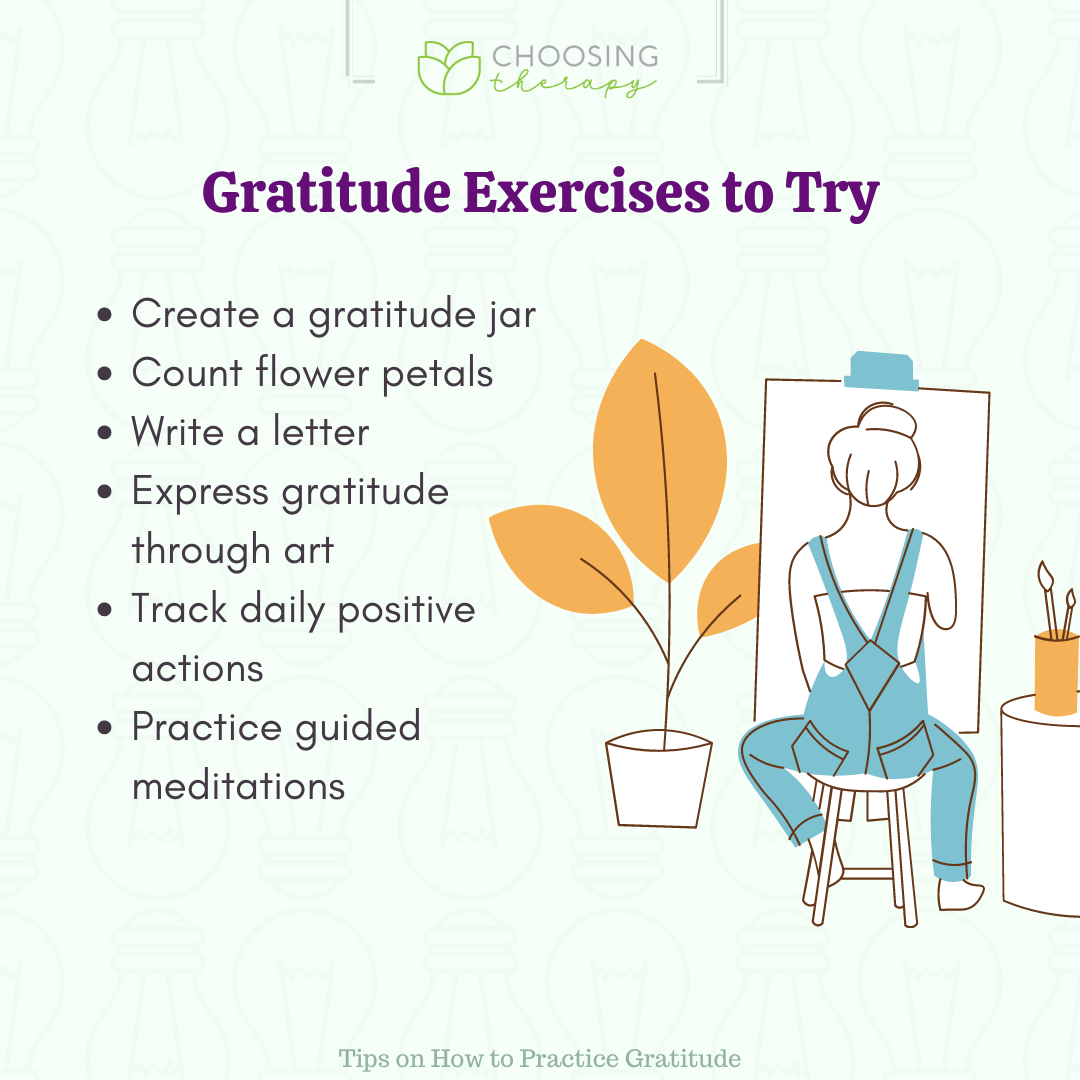
- Gratitude for Offline Moments: Briefly reflect on something you are looking forward to doing offline or an aspect of your current environment that you appreciate.
- Setting an Intention: Before diving into a new activity, set a simple intention for how you want to be present and engaged.
Integrating Mindfulness into Daily Routines
Mindfulness practices can be seamlessly integrated into your existing daily routines, transforming mundane moments into opportunities for presence and calm. These integrations require no extra time commitment but rather a shift in how you approach existing activities, making them more fulfilling and less automatic.Here are effective ways to integrate mindfulness outside of digital engagement:
- Mindful Eating: When eating meals or snacks, focus on the taste, texture, and smell of your food. Chew slowly and savor each bite, putting away any digital devices.
- Mindful Walking: Whether commuting, exercising, or simply moving from one room to another, pay attention to the sensation of your feet on the ground, the rhythm of your breath, and the sights and sounds around you.
- Mindful Chores: Approach household tasks like washing dishes or folding laundry with focused attention. Notice the sensations, the movements, and the quiet rhythm of the activity.
- Mindful Conversations: When speaking with others, practice active listening. Give your full attention to the speaker, observe their non-verbal cues, and respond thoughtfully.
Benefits of Mindful Digital Breaks
Regular, mindful breaks from social media are essential for maintaining mental clarity, reducing digital fatigue, and enhancing your overall presence in real-world interactions. These breaks are not merely periods of inactivity but opportunities to consciously disconnect and recharge your cognitive and emotional resources.The impact of mindful digital breaks on overall presence is significant:
- Reduced Cognitive Load: Stepping away from constant digital stimulation allows your brain to rest and process information more effectively, leading to improved focus and concentration when you return to tasks.
- Enhanced Emotional Regulation: Breaks provide a space to observe and process emotions that may have been triggered by social media content, leading to greater emotional resilience and a calmer disposition.
- Increased Appreciation for Offline Experiences: By disengaging from the digital world, you create space to notice and appreciate the nuances and richness of your immediate environment and interactions.
- Improved Sleep Quality: Taking breaks, especially before bedtime, can reduce exposure to blue light and mental stimulation, contributing to more restful sleep.
A mindful digital break is not just about not being online; it’s about being fully present in the moment you choose to be offline.
Personal Digital Well-being Pledge
Creating a personal pledge is a powerful way to commit to a healthier and more mindful relationship with social media. This pledge serves as a reminder of your intentions and provides a framework for making conscious choices about your digital habits. It is a declaration of your commitment to prioritizing your well-being in the digital age.Consider including the following principles in your digital well-being pledge:
- I pledge to approach social media with intention, asking myself ‘Why am I logging on?’ before I do.
- I pledge to set specific times for checking social media and to honor those boundaries, avoiding mindless scrolling.
- I pledge to take mindful breaks from social media throughout the day, engaging my senses and reconnecting with my physical surroundings.
- I pledge to cultivate awareness of my emotional state before, during, and after social media use, and to disengage if I feel overwhelmed or negative.
- I pledge to prioritize real-world connections and activities, ensuring that my digital engagement complements rather than detracts from them.
- I pledge to be mindful of the content I consume and create, aiming for positivity, authenticity, and respect.
- I pledge to regularly review and adjust my digital habits to ensure they align with my overall well-being goals.
Concluding Remarks

By integrating these mindful practices, you can cultivate a healthier and more intentional relationship with social media. This journey empowers you to reclaim your attention, enhance your online interactions, and ultimately, foster a deeper sense of presence both on and off the screen. Embrace these strategies to build a digital life that supports, rather than detracts from, your overall well-being and peace of mind.