Embarking on the journey of How to Practice Mindfulness in Difficult Conversations, this guide is crafted to illuminate the path toward more constructive and peaceful interactions. We will explore how cultivating a present and aware state can transform challenging dialogues from potential confrontations into opportunities for deeper understanding and connection.
This exploration delves into the core principles of mindfulness and its direct application to interpersonal communication. You will discover practical strategies for preparation, real-time application during conversations, and insightful reflection afterward. Our aim is to equip you with the tools necessary to navigate conflict with grace and build stronger relationships through mindful dialogue.
Understanding the Core Concept
Difficult conversations are an inevitable part of human interaction, often triggering strong emotions and defensive reactions. Applying mindfulness to these challenging discussions offers a powerful pathway to navigate them with greater clarity, compassion, and effectiveness. It shifts the focus from reacting impulsively to responding thoughtfully, fostering understanding and constructive outcomes.Mindfulness, at its core, is about paying attention to the present moment without judgment.
When applied to interpersonal communication, this translates to being fully aware of your own thoughts, feelings, and bodily sensations, as well as those of the other person, as they arise during a conversation. It involves cultivating a sense of calm observation, allowing you to create space between stimulus and response, thereby reducing the likelihood of escalating conflict.
Fundamental Principles of Mindfulness in Interpersonal Communication
The practice of mindfulness in difficult conversations rests on several key principles. These are not rigid rules but rather guiding orientations that help foster a more aware and skillful approach to communication. By integrating these principles, individuals can transform potentially destructive encounters into opportunities for growth and connection.
- Non-Judgmental Observation: This involves noticing thoughts, feelings, and sensations as they occur without labeling them as “good” or “bad,” “right” or “wrong.” In a conversation, this means observing your own internal reactions and the other person’s expressions without immediately attaching judgment to them.
- Present Moment Awareness: Mindfulness encourages anchoring your attention to what is happening right now, rather than dwelling on past grievances or worrying about future outcomes. During a difficult conversation, this means focusing on the words being spoken, the tone of voice, and the non-verbal cues in the present interaction.
- Acceptance: This principle involves acknowledging reality as it is, without resistance or the desire for it to be different. In communication, it means accepting that the other person has their own perspective and feelings, even if they differ from your own, and accepting your own emotional responses without trying to suppress them.
- Intentional Response: Rather than reacting automatically based on ingrained patterns or heightened emotions, mindfulness promotes a conscious and deliberate choice in how to respond. This allows for a more considered and constructive approach to addressing the issue at hand.
- Compassion: This extends to both oneself and the other person. It involves recognizing the shared human experience of struggle and suffering, and responding with kindness and understanding. In difficult conversations, this means approaching the interaction with a desire to understand and support, rather than to win or criticize.
Benefits of Incorporating Mindfulness During Challenging Discussions
The integration of mindfulness into difficult conversations yields significant advantages, impacting both the immediate interaction and the long-term health of relationships. By fostering a more conscious and regulated approach, mindfulness can de-escalate tension, improve understanding, and lead to more positive resolutions.The benefits are multifaceted, addressing emotional regulation, cognitive clarity, and relational dynamics. For instance, a study published in the
Journal of Conflict Resolution* highlighted how mindful communication training significantly reduced reported conflict intensity and improved participants’ ability to find mutually agreeable solutions.
- Improved Emotional Regulation: Mindfulness helps individuals recognize and manage their emotional responses in real-time. This prevents impulsive outbursts or shutting down, allowing for a more measured and thoughtful engagement.
- Enhanced Listening Skills: By focusing on the present moment, mindful individuals are better able to truly hear and understand what the other person is saying, both verbally and non-verbally, without being preoccupied with their own thoughts or rebuttals.
- Reduced Reactivity: Mindfulness creates a pause between stimulus and response, giving individuals the opportunity to choose a more constructive reaction rather than an automatic, often defensive, one.
- Increased Empathy and Understanding: By observing without judgment, individuals can develop a greater capacity to understand the other person’s perspective and underlying emotions, fostering a sense of connection.
- More Effective Problem-Solving: With reduced emotional intensity and improved clarity, individuals are better equipped to identify the core issues and collaborate on finding mutually beneficial solutions.
- Preservation of Relationships: By navigating difficult conversations with respect and understanding, mindfulness helps to maintain and even strengthen relationships, even when disagreements arise.
Common Obstacles to Mindfulness in Tense Situations
Despite the clear advantages, maintaining a mindful state during challenging conversations is often met with significant obstacles. These hurdles are rooted in our natural human responses to perceived threats or discomfort, and understanding them is the first step toward overcoming them.These obstacles can manifest as internal psychological barriers or external environmental factors. Recognizing these common pitfalls allows for proactive strategies to mitigate their impact.
For example, research in neuroscience indicates that the amygdala, the brain’s threat-detection center, can become highly active during conflict, overriding the prefrontal cortex responsible for rational thought and self-control, thus making mindfulness more difficult.
- Automatic Pilot Reactions: Our brains are wired to respond quickly to perceived threats, often triggering habitual, defensive, or aggressive behaviors without conscious thought.
- Intense Emotions: Strong feelings such as anger, fear, frustration, or anxiety can overwhelm our capacity for present-moment awareness, pulling our attention away from the conversation and into our internal turmoil.
- Cognitive Biases: Preconceived notions, assumptions, and a tendency to interpret events through a personal lens can distort our perception of the situation and the other person’s intentions.
- Distractions: External distractions, such as background noise or interruptions, as well as internal distractions, like intrusive thoughts or worries, can easily pull us away from mindful engagement.
- Fatigue and Stress: When we are tired or under significant stress, our ability to focus and regulate our emotions is compromised, making mindfulness practice more challenging.
- Fear of Vulnerability: Opening oneself up to honest communication, especially about sensitive topics, can feel risky. This fear can lead to a desire to shut down or avoid the conversation altogether, hindering mindful presence.
- Attachment to Outcomes: An excessive focus on achieving a specific result or “winning” the argument can distract from the process of mindful listening and empathetic engagement.
Pre-Conversation Preparation: Setting the Stage for Mindfulness

Approaching a difficult conversation with a prepared and mindful state of being can significantly alter its trajectory and outcome. This preparation involves not just logistical planning but also a deep dive into one’s internal landscape, ensuring you are emotionally and mentally ready to engage constructively. By dedicating time to pre-conversation routines, you cultivate a foundation of calm, clarity, and compassion, which are essential for navigating sensitive discussions effectively.This section will guide you through establishing a pre-conversation routine, provide a comprehensive checklist for mental and emotional readiness, and explore techniques for managing the anxiety that often precedes challenging dialogues.
Designing a Mindful Pre-Conversation Routine
A consistent pre-conversation routine acts as a mental and emotional reset, allowing you to transition from your daily demands to the focused intention of the upcoming discussion. This routine should be personalized to what best centers you, fostering a sense of presence and equanimity. The goal is to create a buffer zone where you can consciously choose your responses rather than reacting impulsively.To establish an effective routine, consider incorporating the following elements:
- Quiet Reflection: Dedicate a few minutes to simply sit in silence, observing your thoughts and feelings without judgment. This practice helps in acknowledging your current state.
- Breathing Exercises: Engage in deep diaphragmatic breathing for 5-10 minutes. Focus on the sensation of your breath entering and leaving your body. This simple technique can significantly calm the nervous system.
- Mindful Movement: Gentle stretching, a short walk in nature, or light yoga can help release physical tension and bring you into the present moment.
- Journaling: Briefly jot down any pressing concerns, anticipated challenges, or desired outcomes for the conversation. This externalization can reduce mental clutter.
- Setting Intentions: Clearly articulate your intention for the conversation. Is it to understand, to be understood, to find a solution, or to express your feelings? Stating this intention can guide your approach.
Mental and Emotional Preparation Checklist
Before engaging in a difficult conversation, a thorough mental and emotional check is crucial. This checklist serves as a practical guide to ensure you are entering the discussion with the right mindset, prepared to be present, open, and resilient.Review these points to assess your readiness:
- Emotional Awareness: Have I identified my primary emotions related to this conversation (e.g., anxiety, frustration, sadness)?
- Objective Clarity: Do I understand my core objectives for this conversation, beyond just expressing my feelings?
- Empathy Cultivation: Have I considered the other person’s perspective, potential feelings, and motivations?
- Assumption Check: Have I challenged any assumptions I might be making about the other person’s intentions or reactions?
- Self-Compassion: Am I prepared to be kind to myself, regardless of the conversation’s immediate outcome?
- Openness to Learning: Am I willing to listen actively and be open to information or perspectives I may not have considered?
- Boundaries: Have I considered what my personal boundaries are for this conversation and how I will communicate them if necessary?
- Acceptance of Uncertainty: Am I prepared for the possibility that the conversation may not go exactly as planned or desired?
Managing Anticipatory Anxiety
Anticipatory anxiety, the unease experienced before a challenging event, is a common response to difficult conversations. Recognizing and managing this anxiety is key to preventing it from derailing your preparation and your ability to engage mindfully.Several techniques can help mitigate these feelings:
- Cognitive Reframing: Challenge negative or catastrophic thoughts about the conversation. Instead of thinking, “This will be a disaster,” try reframing it as, “This is an opportunity to communicate and work towards understanding.”
- Visualization: Imagine the conversation unfolding positively. Picture yourself remaining calm, speaking clearly, and listening attentively. Visualize a constructive resolution, even if it’s just a step towards one.
- Grounding Techniques: When feeling overwhelmed, use grounding techniques to bring yourself back to the present. The 5-4-3-2-1 method is effective: identify 5 things you can see, 4 things you can touch, 3 things you can hear, 2 things you can smell, and 1 thing you can taste.
- Disclosure and Support: Sometimes, sharing your feelings with a trusted friend or colleague (without violating confidentiality if applicable) can alleviate some of the burden.
- Focus on What You Can Control: Direct your energy towards what is within your power: your preparation, your tone, your listening skills, and your responses. Acknowledge that you cannot control the other person’s reactions.
“The only way to make sense out of change is to plunge into it, move with it, and join the dance.”Alan Watts. This applies to difficult conversations; preparation helps you join the dance rather than being swept away by the current.
During the Conversation: Practicing Presence and Awareness
Successfully navigating a difficult conversation requires sustained attention and a mindful approach to each unfolding moment. This section delves into the practical application of mindfulness techniques as the dialogue progresses, focusing on how to remain grounded, attentive, and responsive in a constructive manner. By integrating these practices, you can transform potentially volatile interactions into opportunities for deeper understanding and resolution.
Key Mindfulness Techniques for Real-Time Application
During a challenging discussion, it is crucial to employ specific mindfulness techniques to maintain composure and clarity. These techniques act as anchors, preventing you from being swept away by emotions or getting lost in the narrative of the conflict. Consistent practice allows these responses to become more natural and effective.
- Breath Awareness: Gently bring your attention to your breath. Notice the sensation of air entering and leaving your body. This simple act can ground you in the present moment, providing a brief pause to observe your thoughts and feelings without immediate reaction.
- Body Scan: Become aware of physical sensations in your body. Notice areas of tension, relaxation, or discomfort. Acknowledging these physical cues can help you understand your emotional state without judgment.
- Sensory Awareness: Expand your awareness to include your immediate surroundings. Notice sounds, sights, and the feeling of your feet on the ground. This broadens your focus beyond the immediate emotional intensity of the conversation.
- Mindful Pausing: Intentionally create small pauses before responding. This allows you to process what has been said, consider your own reaction, and choose a more thoughtful and deliberate response rather than an impulsive one.
Mindfulness-Informed Active Listening Strategies
Active listening, when infused with mindfulness, goes beyond simply hearing words; it involves a deep, non-judgmental engagement with the speaker’s entire message, including their emotions and underlying needs. This mindful approach fosters trust and encourages open communication.
- Empathic Attunement: Listen not just for the words, but for the feelings behind them. Try to imagine yourself in the other person’s situation and understand their emotional experience. This involves reflecting their feelings back to them, for example, “It sounds like you’re feeling very frustrated about this.”
- Clarifying Questions: Ask open-ended questions to ensure you understand correctly, rather than making assumptions. Frame these questions with genuine curiosity, such as, “Could you tell me more about what that was like for you?” or “Help me understand your perspective on this.”
- Reflective Summarizing: Periodically summarize what you’ve heard to confirm understanding and show you are engaged. This can be done by saying, “So, if I understand correctly, you’re saying…” or “It seems like the main concern for you is…”
- Observing Non-Verbal Cues: Pay attention to body language, tone of voice, and facial expressions. These non-verbal signals often convey as much, if not more, than spoken words and can offer valuable insights into the other person’s emotional state.
The Role of Non-Judgmental Observation in Perspective Taking
Non-judgmental observation is a cornerstone of mindfulness, enabling you to perceive the situation and the other person’s viewpoint without imposing your own biases, criticisms, or preconceived notions. This practice is essential for truly understanding another’s perspective.
“The greatest challenge to understanding is our own judgment.”
This means actively noticing your own internal commentary and judgments as they arise, and then gently setting them aside. Instead of thinking, “That’s a ridiculous idea,” a non-judgmental observation would be, “I hear you proposing X, and I’m noticing a feeling of skepticism within me. Let me explore that.” This allows you to remain open to information that might contradict your initial assumptions, fostering a more objective and empathetic understanding of the other person’s reality.
It involves recognizing that their perspective is valid
for them*, even if it differs from your own.
Managing Own Emotional Responses in Real-Time
Difficult conversations often trigger strong emotions. Mindfulness provides tools to manage these responses constructively, preventing them from derailing the conversation or causing further harm.
Emotional Response Management Guide
- Acknowledge the Emotion: The first step is to recognize and name the emotion you are experiencing. Is it anger, fear, frustration, or something else? Simply acknowledging it without judgment is powerful. For instance, “I’m feeling a surge of defensiveness right now.”
- Observe the Physical Sensations: Notice where you feel the emotion in your body. Is there tightness in your chest, a knot in your stomach, or heat in your face? Connect with these physical manifestations of your emotion.
- Take a Mindful Pause: Before reacting, take a conscious breath or two. This brief interlude creates space between the emotion and your response, allowing for a more considered action.
- Reframe the Thought: Examine the thoughts that are fueling the emotion. Are they based on assumptions or interpretations? Try to reframe them from a more objective or compassionate standpoint. For example, instead of thinking, “They’re attacking me,” consider, “They are expressing their needs or concerns in a way that feels challenging to me.”
- Communicate Your Needs Mindfully: If you need to express your emotional state, do so using “I” statements and focusing on your experience, rather than blaming the other person. For example, “I’m finding it difficult to focus when the tone becomes accusatory,” rather than, “You’re being too aggressive.”
- Seek a Brief Break if Necessary: If emotions become overwhelming and you feel unable to respond constructively, it is perfectly acceptable to request a short break. “I need a moment to collect my thoughts. Can we pause for five minutes?” This allows you to regain composure without shutting down the conversation entirely.
Non-Verbal Communication and Mindfulness
In the landscape of difficult conversations, what wedon’t* say can often be as impactful as our words. Mindfulness extends beyond our thoughts and spoken dialogue to encompass the silent language of our bodies and voices. By cultivating awareness of our non-verbal signals and those of others, we can navigate challenging interactions with greater sensitivity and effectiveness. This mindful approach to non-verbal communication can significantly influence the emotional climate of a conversation, fostering understanding and de-escalating potential conflict.Bringing mindful awareness to your own non-verbal communication involves a conscious effort to observe your physical and vocal expressions without judgment.
This practice allows you to recognize how your body is responding to the conversation and to make intentional adjustments. Similarly, extending this awareness to the other person’s non-verbal cues requires a receptive and open stance, aiming to understand their underlying feelings and intentions.
Mindful Awareness of Personal Non-Verbal Communication
Cultivating mindful awareness of your body language and tone of voice during difficult conversations is crucial for authentic and effective communication. It involves paying close attention to your physical presence and vocal qualities, recognizing how they might be perceived and how they are influencing the interaction. This self-awareness enables you to align your external expression with your internal intention, fostering trust and clarity.Here are strategies to bring mindful awareness to your personal non-verbal communication:
- Body Posture: Observe your posture. Are you leaning forward with openness, or are you closed off with crossed arms? A relaxed yet attentive posture, with shoulders back and facing the speaker, signals engagement and respect.
- Facial Expressions: Notice your facial expressions. Are you maintaining eye contact without staring? Is your brow furrowed in a way that might convey judgment or frustration? A neutral or gently open expression, mirroring a calm demeanor, can create a more welcoming atmosphere.
- Gestures: Be aware of your hand gestures. Are they expansive and expressive, or are they fidgety and anxious? Intentional, calm gestures can enhance your message, while nervous movements can distract or convey unease.
- Tone of Voice: Listen to the pitch, pace, and volume of your voice. Is it strained, rushed, or overly loud? A measured, even tone, with appropriate pauses, communicates thoughtfulness and control, even when discussing sensitive topics.
- Breathing: Pay attention to your breath. Shallow, rapid breathing can indicate stress or anxiety. Deep, steady breaths can help regulate your nervous system and project a sense of calm.
Mindful Interpretation of Others’ Non-Verbal Cues
Interpreting the non-verbal cues of others with mindful attention is about observing without assuming, seeking to understand rather than to judge. This practice involves a keen, open-minded observation of their physical and vocal expressions, recognizing them as potential indicators of their emotional state or underlying message. It requires setting aside preconceived notions and approaching their signals with curiosity.Strategies for interpreting others’ non-verbal cues mindfully include:
- Observing without Immediate Judgment: Notice body language, facial expressions, and tone of voice as data points, rather than immediately labeling them as positive or negative. For instance, someone sighing might be expressing weariness, frustration, or simply a need for a moment of release.
- Considering Context: Non-verbal cues are highly context-dependent. A furrowed brow might indicate deep thought rather than anger if the conversation is about a complex problem.
- Looking for Clusters of Cues: A single cue can be misleading. Look for patterns of non-verbal signals that occur together. For example, crossed arms combined with averted gaze and a flat tone might suggest defensiveness or disengagement.
- Recognizing Congruence: Assess whether their verbal and non-verbal messages align. When there is congruence, the message is likely more authentic. Discrepancies can signal internal conflict or a desire to conceal true feelings.
- Practicing Empathetic Listening: Try to imagine what the other person might be feeling based on their non-verbal signals. This empathetic approach can help you respond more compassionately and effectively.
Impact of Mindful Non-Verbal Communication on De-escalating Tension
Mindful non-verbal communication acts as a powerful de-escalator in tense situations by fostering an environment of safety, respect, and mutual understanding. When individuals consciously manage their own non-verbal signals and mindfully interpret those of others, they create a more conducive atmosphere for productive dialogue, even amidst disagreement. This conscious awareness can prevent misunderstandings from escalating and can help to diffuse emotional intensity.The impact of mindful non-verbal communication on de-escalating tension can be observed in several key areas:
- Creating a Safe Space: A calm, open posture, steady eye contact, and a measured tone from one party can signal that the conversation is being approached with respect and a willingness to listen. This can encourage the other person to lower their defenses and to feel safer expressing themselves.
- Preventing Misinterpretation: By being aware of how your own non-verbal cues might be perceived, you can avoid inadvertently sending aggressive or dismissive signals. For example, if you notice yourself tensing up, you can consciously relax your shoulders, which can prevent the other person from perceiving you as confrontational.
- Facilitating Emotional Regulation: When you observe someone else exhibiting signs of distress or agitation, a mindful, non-judgmental response—perhaps a nod of understanding or a soft tone—can help them to feel heard and validated. This can prevent their emotions from spiraling and can encourage them to regulate their own responses.
- Building Rapport and Trust: Consistent, mindful non-verbal communication, such as mirroring appropriate body language or offering empathetic facial expressions, can build a sense of connection and trust. This rapport makes it easier to navigate disagreements and find common ground.
- Modeling Calmness: In a heated exchange, one person’s ability to maintain a calm and composed demeanor, reflected in their non-verbal signals, can have a ripple effect, encouraging the other person to also adopt a more measured approach.
For instance, in a workplace conflict where an employee is expressing frustration about a missed deadline, if their manager responds with crossed arms, a sharp tone, and avoids eye contact, the employee’s anxiety and anger are likely to intensify. However, if the manager maintains an open posture, makes gentle eye contact, and uses a calm, steady tone, even while acknowledging the seriousness of the situation, the employee may feel more understood and less defensive, paving the way for a collaborative problem-solving discussion.
Navigating Conflict with Mindful Responses
Difficult conversations often involve moments of conflict, where emotions can run high and the desire to defend oneself or attack can be strong. Practicing mindfulness during these junctures is crucial for de-escalating tension and fostering understanding, rather than exacerbating the disagreement. By developing a framework for responding mindfully, we can transform potentially damaging exchanges into opportunities for growth and connection.
This section Artikels strategies for managing conflict with intention and awareness.Responding mindfully to challenging statements or accusations requires a deliberate shift from automatic reactions to conscious choices. This involves creating a brief but impactful pause, allowing us to access our inner resources of calm and clarity. By cultivating this space, we can choose words and actions that are constructive and respectful, even when faced with negativity.
Framework for Responding to Challenging Statements
To effectively navigate conflict, a structured approach to responding is beneficial. This framework emphasizes a step-by-step process designed to maintain composure and facilitate productive dialogue.
- Acknowledge and Validate (Internally or Externally): Before formulating a response, take a moment to acknowledge the other person’s statement or emotion, even if you don’t agree with it. This doesn’t mean agreeing with the content, but rather recognizing that they have expressed something significant to them.
- Pause and Breathe: This is the critical step for preventing escalation. Take a deliberate, slow breath. This simple act interrupts the fight-or-flight response and allows your prefrontal cortex to re-engage, enabling more thoughtful responses.
- Clarify and Seek Understanding: If the statement is unclear or accusatory, ask clarifying questions to ensure you understand their perspective. This demonstrates your willingness to engage and can often diffuse defensiveness.
- Express Your Perspective Mindfully: When it’s your turn to speak, do so with “I” statements that focus on your feelings and experiences, rather than blaming or accusing the other person.
- Identify Common Ground (If Possible): Look for any shared goals or values, even amidst disagreement. Highlighting these can shift the focus from conflict to collaboration.
- Propose Solutions or Next Steps: Once understanding has been established, work towards a resolution or agree on how to move forward.
Mindful Phrasing During Disagreements
The language we use during disagreements significantly impacts the tone and outcome of the conversation. Employing mindful phrasing can help to de-escalate tension and encourage a more collaborative approach. The following examples illustrate how to reframe common conflict-prone statements into more constructive ones.
- Instead of: “You always do that!” or “You never listen!”
- Try: “I feel [emotion] when [specific behavior] happens, because [reason].” For example, “I feel unheard when I’m interrupted, because I have important points to share.”
- Instead of: “That’s a ridiculous idea.”
- Try: “I see your point, and I have a different perspective on how we might approach this. Could we explore that?”
- Instead of: “You’re making this a bigger deal than it needs to be.”
- Try: “I understand this is important to you, and I want to make sure I’m grasping the full scope of your concern.”
- Instead of: “You’re being too sensitive.”
- Try: “It seems like my words have had an impact on you, and I want to understand that better.”
The Practice of Pausing Before Reacting
The impulse to immediately defend oneself or counter an accusation is a natural human reaction, often driven by perceived threat. However, this automatic response can quickly escalate conflict. The practice of pausing before reacting is a cornerstone of mindful communication. This brief moment of stillness, even just a few seconds, provides an invaluable opportunity to interrupt the cycle of reactivity.
“The space between stimulus and response is where our growth lies.”
Viktor Frankl
This pause allows for several crucial internal processes:
- Emotional Regulation: It provides a window to acknowledge your own emotions without being overwhelmed by them. You can notice anger, frustration, or defensiveness without letting them dictate your immediate actions.
- Cognitive Re-engagement: It allows your rational mind to come back online, enabling you to consider the situation more objectively and formulate a more considered response.
- Empathy Activation: It creates space to consider the other person’s perspective, even if you disagree with it, fostering a more compassionate approach.
- Intentionality: It shifts your response from an automatic reaction to a deliberate choice, aligning your communication with your desired outcome for the conversation.
To cultivate this practice, you can intentionally set an internal reminder to pause. This might involve a mental count of three, a deep breath, or simply a conscious decision to not speak immediately. With consistent practice, this pause will become more natural, transforming how you navigate challenging interactions.
Post-Conversation Reflection and Integration
Engaging in mindful practice during a difficult conversation is a significant achievement. However, the journey of mindfulness doesn’t conclude when the dialogue ends. The crucial phases of post-conversation reflection and integration are where true growth and lasting change are cultivated. This period allows us to process the experience, extract valuable lessons, and apply them to enhance our future interactions, fostering more constructive and compassionate communication.Mindful reflection after a challenging conversation involves a deliberate and non-judgmental examination of the interaction.
It’s about understanding your own internal experience and the dynamics of the exchange without immediately seeking to assign blame or formulate defenses. This process is essential for learning and developing greater emotional intelligence and communication skills.
Methods for Mindful Post-Conversation Reflection
To effectively reflect on a difficult conversation, a structured and self-compassionate approach is beneficial. This allows for a thorough understanding of the experience and its impact.
- Journaling: Dedicate time to write down your thoughts and feelings immediately after the conversation. Focus on objective descriptions of what happened, your emotional responses, and any physical sensations you experienced.
- Mindful Observation: Sit quietly for a few minutes, focusing on your breath. Gently bring to mind the conversation and observe any emotions, thoughts, or bodily sensations that arise without judgment. Acknowledge them and allow them to pass.
- Guided Reflection: Utilize guided meditation scripts or prompts specifically designed for post-conversation reflection. These can help steer your attention to key aspects of the interaction and your internal state.
- Body Scan: Pay attention to where you hold tension in your body. Difficult conversations can manifest physically, and a body scan can reveal underlying stress or emotional responses that might not be immediately apparent.
Practices for Processing Emotions and Insights
After identifying your emotions and initial thoughts, the next step is to process them constructively. This involves acknowledging, understanding, and releasing them in a healthy manner.
- Labeling Emotions: Accurately identifying and naming your emotions (e.g., frustration, disappointment, anxiety, relief) can help demystify them and reduce their intensity.
- Self-Compassion: Offer yourself kindness and understanding. Recognize that difficult conversations are inherently challenging and that it’s okay to feel a range of emotions. Avoid self-criticism.
- Identifying Triggers: Reflect on what specific words, actions, or themes in the conversation triggered your emotional responses. Understanding your triggers is key to managing them in the future.
- Seeking Understanding, Not Just Agreement: Instead of focusing on who was “right” or “wrong,” aim to understand the other person’s perspective, even if you don’t agree with it. This can lead to profound insights.
- Mindful Breathing and Grounding: When emotions feel overwhelming, return to your breath. Practice grounding techniques by focusing on your senses – what you see, hear, smell, taste, and touch – to anchor yourself in the present moment.
Integrating Lessons Learned into Future Interactions
The ultimate goal of reflection is to use the insights gained to foster more positive and effective communication moving forward. This involves a conscious effort to apply what you’ve learned.
- Setting Intentions: Before entering future conversations, especially potentially difficult ones, set a clear intention to practice mindfulness, listen actively, and respond with empathy.
- Practicing Empathy: Consciously try to step into the other person’s shoes and understand their feelings and motivations. This can significantly alter the tone and outcome of a conversation.
- Adapting Communication Style: Based on your reflection, you might identify specific communication patterns that are unhelpful. Make a conscious effort to adjust your approach, perhaps by speaking more calmly, listening more intently, or asking clarifying questions.
- Rehearsing Mindful Responses: Mentally rehearse how you might respond mindfully to common challenging scenarios. This preparation can make it easier to access these skills when under pressure.
- Seeking Feedback (Optional and with Caution): In trusted relationships, you might consider gently asking for feedback on your communication style. However, this should only be done when the relationship is strong and the intent is clearly for mutual growth.
The wisdom gained from reflecting on difficult conversations is not about perfecting your words, but about cultivating a more present, compassionate, and resilient approach to human connection.
Cultivating Empathy Through Mindful Dialogue
Mindfulness is a powerful catalyst for cultivating empathy, especially when navigating the complexities of difficult conversations. By fostering a state of present-moment awareness and non-judgment, mindfulness allows us to step outside our own immediate reactions and genuinely connect with the emotional landscape of others. This shift in perspective is fundamental to understanding and responding with compassion, transforming potential conflict into opportunities for deeper connection and mutual respect.The practice of mindfulness encourages us to listen not just to the words being spoken, but also to the underlying emotions and needs.
This deeper level of listening, free from the filters of our own biases and assumptions, is the bedrock of empathetic communication. When we approach a conversation with a mindful intention to understand, we create a safe space for vulnerability and authentic exchange, which is crucial for building and strengthening relationships.
Fostering Empathy with Mindfulness
Mindfulness cultivates empathy by training us to observe our own thoughts and feelings without immediate identification or reactivity. This internal awareness then extends outward, allowing us to recognize and acknowledge the emotional experiences of others with greater clarity and less defensiveness. When we are mindful, we are less likely to project our own interpretations onto the speaker and more inclined to be curious about their reality.
This gentle, observational stance creates the fertile ground from which empathy can blossom, enabling us to feel
- with* someone rather than simply
- for* them.
Techniques for Empathetic Understanding
Actively seeking to understand another’s viewpoint with compassion requires deliberate practice. These techniques, rooted in mindful engagement, help bridge understanding gaps and foster genuine connection during challenging discussions.
- Active Listening with Presence: Fully engage your attention on the speaker, minimizing internal distractions and external interruptions. Focus on understanding their message, both verbal and non-verbal, without formulating your response prematurely. This involves making eye contact, nodding, and offering verbal affirmations like “I hear you” or “Tell me more.”
- Reflective Paraphrasing: Periodically summarize what you believe the other person has said in your own words. This demonstrates that you are listening and trying to understand, and it provides an opportunity for clarification if you have misinterpreted something. For example, “So, if I understand correctly, you’re feeling frustrated because you believe your contributions are not being recognized?”
- Curiosity and Open-Ended Questions: Approach the conversation with a genuine desire to learn about the other person’s perspective. Ask open-ended questions that encourage elaboration rather than simple yes/no answers. Examples include, “What was that experience like for you?” or “Can you help me understand your concerns from your perspective?”
- Mindful Acknowledgment of Emotions: Pay attention to the emotional tone of the conversation and acknowledge the feelings being expressed, even if you don’t agree with the reasons behind them. Phrases like, “It sounds like you’re feeling hurt by that,” or “I can see why that would be upsetting,” can validate the other person’s experience.
- Perspective-Taking Practice: Mentally step into the other person’s shoes. Imagine what their life experiences, values, and beliefs might be that lead them to their current viewpoint. This is not about agreeing with them, but about understanding the roots of their perspective.
Impact on Relationship Building
Empathetic communication is a cornerstone of robust and resilient relationships. When individuals feel truly heard, understood, and validated, it fosters a sense of trust and psychological safety. This, in turn, reduces defensiveness, opens channels for more honest dialogue, and strengthens the emotional bonds between people. Over time, consistent empathetic engagement can transform difficult conversations from sources of strain into opportunities for deeper connection and mutual growth, laying the foundation for enduring positive relationships.
Tools and Techniques for Sustained Practice
Cultivating mindful communication, especially in challenging conversations, is an ongoing journey that benefits from consistent practice. Integrating daily mindfulness exercises can significantly enhance your ability to remain present, regulated, and responsive when it matters most. These practices build the foundational skills necessary to navigate difficult dialogues with greater ease and effectiveness.This section delves into practical tools and techniques designed to support your sustained development in mindful communication.
By incorporating these methods into your daily routine, you can build resilience, improve emotional intelligence, and foster more constructive interactions.
Daily Mindfulness Exercises for Enhanced Communication Skills
Regular engagement with specific mindfulness exercises can directly translate into improved performance during difficult conversations. These practices train your attention, cultivate self-awareness, and enhance your capacity for emotional regulation, all of which are crucial for effective communication.Here is a list of daily mindfulness exercises that can bolster your skills for challenging dialogues:
- Mindful Breathing: Dedicate 5-10 minutes each day to simply observe your breath. Notice the sensation of air entering and leaving your body. This exercise anchors you in the present moment and calms the nervous system, preparing you for stressful interactions.
- Body Scan Meditation: Spend 10-15 minutes systematically bringing your awareness to different parts of your body, noticing any sensations without judgment. This practice increases interoceptive awareness, helping you recognize physical cues of stress or emotion during conversations.
- Mindful Listening Practice: Choose a short period each day to practice listening without interruption or formulating your response. Focus solely on understanding the speaker’s words, tone, and underlying emotions. This can be practiced with a partner, or even by observing conversations around you.
- Loving-Kindness Meditation (Metta): Direct feelings of warmth, kindness, and compassion towards yourself and others. This practice can foster a more empathetic and understanding approach, which is invaluable when dealing with differing perspectives.
- Mindful Walking: Engage your senses fully while walking, noticing the sensations of your feet on the ground, the sights, sounds, and smells around you. This integrates mindfulness into everyday activities, making it more accessible during dynamic situations.
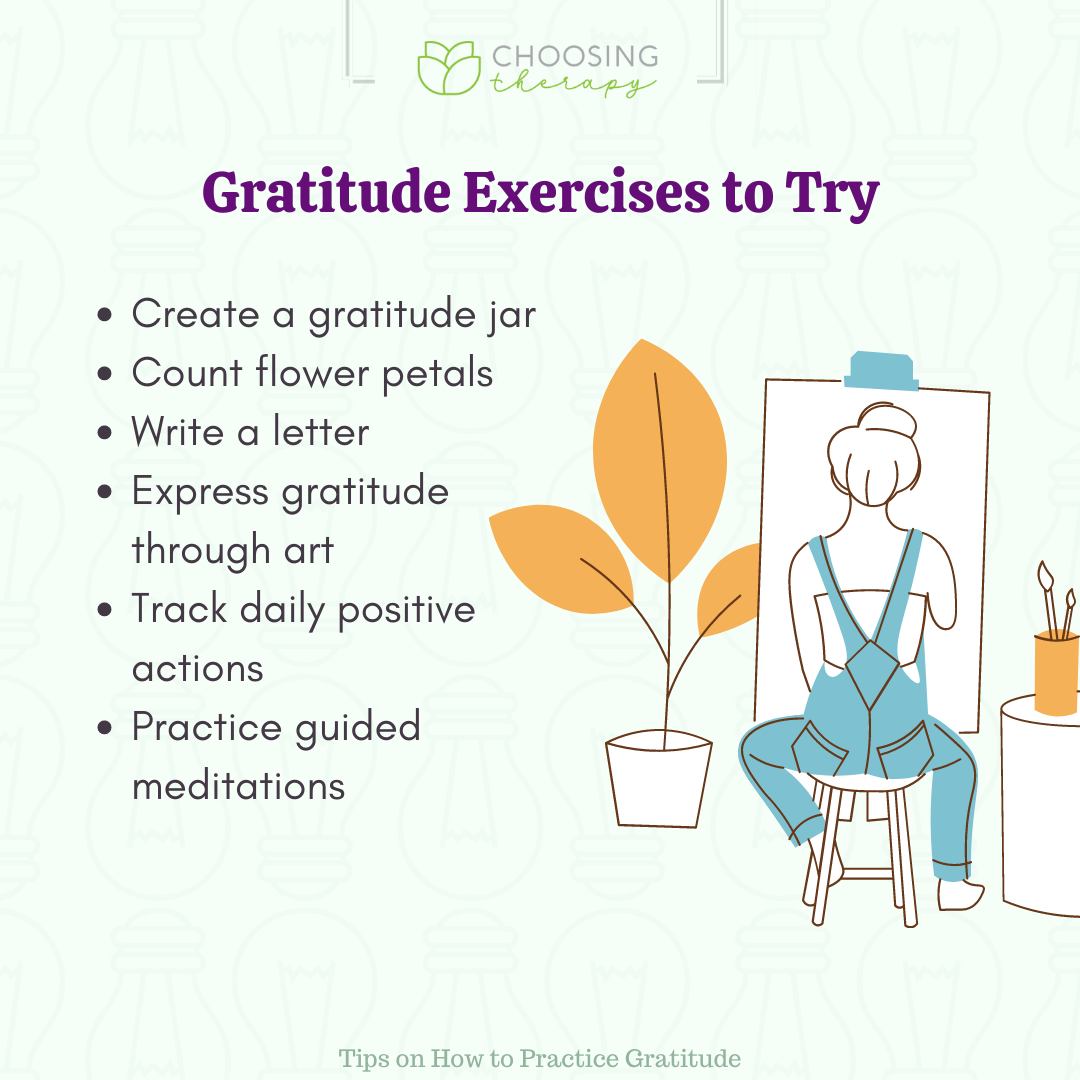
- Gratitude Journaling: Before bed or at the start of your day, write down a few things you are grateful for. This practice shifts your focus towards the positive, fostering a more optimistic outlook that can influence your communication style.
Meditation Styles for Emotional Regulation
Different meditation styles offer unique pathways to developing emotional regulation, a critical component of navigating difficult conversations. By understanding their nuances, you can select practices that best suit your individual needs and contribute to a more balanced emotional state.Here is a comparison of meditation styles beneficial for emotional regulation:
| Meditation Style | Primary Focus | Benefits for Emotional Regulation | Best Suited For |
|---|---|---|---|
| Mindfulness Meditation | Present moment awareness, non-judgmental observation of thoughts, feelings, and sensations. | Reduces reactivity to emotions, increases awareness of emotional triggers, promotes acceptance of feelings. | Individuals seeking to observe and understand their emotions without immediate reaction. |
| Vipassanā Meditation | Insight into the true nature of reality, often through observation of impermanence and interconnectedness. | Develops equanimity, allowing for a more detached yet compassionate observation of emotional fluctuations. | Those seeking deeper understanding of emotional patterns and a less disturbed response to them. |
| Transcendental Meditation (TM) | Effortless transcending of thought to a state of restful alertness. | Deep relaxation, significant reduction in stress hormones, promoting a calmer baseline emotional state. | Individuals looking for a simple, structured technique for deep relaxation and stress reduction. |
| Walking Meditation | Bringing mindful awareness to the physical act of walking. | Grounds individuals in the present, providing a gentle way to process emotions and reduce agitation. | Those who find sitting meditation challenging or prefer to integrate mindfulness into movement. |
Guided Meditations for Communication Challenges
Guided meditations offer a structured and supportive approach, particularly for those new to mindfulness or seeking to address specific communication hurdles. These audio or video resources lead practitioners through exercises designed to enhance listening skills, manage anxiety, and foster empathy.
Guided meditations provide a gentle hand to lead you through the practice, making it accessible and effective for developing specific mindful communication competencies.
Many platforms offer guided meditations tailored to communication, often focusing on themes such as:
- Active Listening: Meditations designed to help you focus on understanding the speaker, reducing internal distractions, and practicing patience.
- Managing Conflict Anxiety: Sessions aimed at calming the nervous system before or during tense conversations, teaching techniques to stay present and avoid escalating emotions.
- Expressing Yourself Clearly: Practices that encourage self-awareness and articulate expression, helping you to communicate your needs and perspectives with clarity and kindness.
- Cultivating Empathy: Meditations that guide you to step into another’s shoes, fostering understanding and compassion, even when there is disagreement.
These resources can be found on various mindfulness apps, websites, and even through online video platforms.
Resources and Practices for Ongoing Development
Continuous learning and practice are key to embedding mindful communication into your daily life. Beyond formal meditation, there are numerous resources and ongoing practices that support the sustained development of these vital skills.Here are some valuable resources and practices for ongoing development:
- Mindfulness Apps: Applications like Calm, Headspace, Insight Timer, and Ten Percent Happier offer a vast library of guided meditations, courses, and tools for daily practice.
- Books and Literature: Explore foundational texts on mindfulness and communication, such as “Mindfulness in Plain English” by Henepola Gunaratana or “Nonviolent Communication” by Marshall B. Rosenberg, to deepen your understanding.
- Workshops and Courses: Participate in in-person or online workshops focused on mindfulness, emotional intelligence, or communication skills. These provide structured learning and opportunities for practice with feedback.
- Mindful Communication Groups: Joining or forming a small group dedicated to practicing mindful communication can provide accountability, shared learning, and peer support.
- Journaling: Regularly reflecting on your conversations, noting what went well and what could be improved from a mindful perspective, is a powerful tool for integration.
- Seek Feedback: Gently ask trusted friends, colleagues, or mentors for feedback on your communication style. This external perspective can highlight areas for growth.
- Regular Retreats: Periodic silent retreats, even short ones, offer an immersive environment to deepen your mindfulness practice and its application to all aspects of life, including communication.
Ultimate Conclusion
In concluding our exploration of How to Practice Mindfulness in Difficult Conversations, it is clear that integrating these practices offers a profound shift in how we engage with others during times of disagreement. By embracing presence, non-judgment, and empathetic awareness, we can not only navigate conflict more effectively but also foster stronger, more resilient relationships.
The techniques discussed provide a robust framework for sustained growth, encouraging a continuous journey of self-awareness and compassionate communication. May this guide serve as a valuable resource, empowering you to approach every conversation, no matter how difficult, with greater clarity, calm, and connection.