Embark on a transformative journey with “How to Practice Mindfulness for Beginners,” a comprehensive guide designed to introduce you to the profound practice of being present. This exploration unveils the fundamental principles, practical techniques, and abundant benefits that mindfulness offers for enhancing your mental well-being and overall life quality.
This guide thoughtfully breaks down the essence of mindfulness, demystifying common notions and offering simple, relatable analogies to illuminate the path to inner calm. We will delve into establishing a consistent practice, from crafting a beginner-friendly daily routine to mastering basic meditation techniques and finding your serene space. Furthermore, discover how to weave mindful awareness into the fabric of your daily life, transforming ordinary moments into opportunities for presence and peace.
Understanding the Core Concepts of Mindfulness

Mindfulness is a practice that has gained significant traction for its profound impact on mental well-being. At its heart, it is about cultivating a specific way of paying attention to the present moment, intentionally and without judgment. This practice offers a pathway to greater self-awareness, emotional regulation, and a more peaceful existence amidst the complexities of modern life.The fundamental principles of mindfulness meditation revolve around anchoring your awareness to your immediate experience.
This involves noticing thoughts, feelings, bodily sensations, and the surrounding environment as they arise, without getting carried away by them or labeling them as “good” or “bad.” It’s about observing your internal and external landscape with gentle curiosity, much like a scientist observing phenomena without interfering.
Fundamental Principles of Mindfulness Meditation
The core tenets of mindfulness meditation are designed to foster a deeper connection with the present. These principles guide the practitioner in developing a more balanced and insightful relationship with their inner and outer worlds.
- Present Moment Awareness: This is the cornerstone of mindfulness. It means intentionally bringing your attention to what is happening right now, rather than dwelling on the past or worrying about the future.
- Non-Judgment: A crucial aspect is observing your thoughts, feelings, and sensations without evaluating them. This means accepting them as they are, without criticism or the need to change them immediately.
- Intentionality: Mindfulness is not a passive state; it is an active choice to direct your attention. You consciously decide to be aware of your experience.
- Acceptance: This principle involves acknowledging reality as it is, even if it is unpleasant. It doesn’t mean resignation, but rather a willingness to engage with your experience without resistance.
- Curiosity and Openness: Approaching your experience with a sense of wonder and a willingness to explore it without preconceived notions.
Benefits of Regular Mindfulness Practice for Mental Well-being
Consistent engagement with mindfulness practices can lead to a wide array of positive outcomes for mental health. These benefits are supported by growing scientific research, highlighting its efficacy as a tool for personal growth and resilience.Regular mindfulness practice has been shown to:
- Reduce stress and anxiety by helping individuals detach from overwhelming thoughts and worries.
- Improve focus and concentration by training the mind to stay present and less susceptible to distractions.
- Enhance emotional regulation, allowing for more balanced responses to challenging situations.
- Increase self-awareness, leading to a better understanding of one’s own patterns of thought and behavior.
- Foster a greater sense of calm and overall well-being.
- Improve sleep quality by quieting the mind and reducing rumination.
- Cultivate compassion, both for oneself and for others.
Common Misconceptions About Mindfulness
Despite its growing popularity, mindfulness is often misunderstood, leading to hesitation or incorrect expectations. Clarifying these common misconceptions can help individuals approach the practice with a more accurate and beneficial perspective.Common misconceptions include:
- Mindfulness means emptying your mind: This is perhaps the most prevalent misunderstanding. Mindfulness is not about stopping thoughts, but rather about observing them without attachment. The mind naturally generates thoughts, and trying to suppress them is counterproductive.
- Mindfulness is a religious practice: While mindfulness has roots in ancient contemplative traditions, it is a secular practice that can be adopted by anyone, regardless of their religious or spiritual beliefs. Its focus is on the human experience of awareness.
- Mindfulness is only for calm people: In fact, mindfulness can be particularly beneficial for those experiencing stress, anxiety, or difficult emotions. It provides tools to navigate these experiences with greater skill.
- Mindfulness requires hours of meditation: While dedicated meditation sessions are valuable, mindfulness can be integrated into everyday activities in short bursts, making it accessible to busy individuals.
- Mindfulness will solve all your problems: Mindfulness is a powerful tool for managing challenges and improving well-being, but it is not a magic cure. It is a practice that requires patience and consistency.
An Analogy for Grasping the Essence of Being Present
To better understand the core of mindfulness, consider the analogy of a river. Your thoughts and emotions are like leaves floating on the surface of the water.Imagine yourself sitting by the riverbank. The river flows continuously, carrying all sorts of leaves – some are bright and colorful, others are dull and torn. When you practice mindfulness, you are learning to sit by the river and observe these leaves as they pass.
You notice them, acknowledge their presence, but you don’t try to grab onto them, push them away, or judge them. You simply watch them float by, understanding that they are transient and will eventually disappear downstream. This is the essence of being present: observing your inner experiences without getting swept away by the current of your thoughts and emotions.
Getting Started with Mindfulness Meditation

Embarking on a mindfulness meditation practice is a journey of self-discovery and present moment awareness. For beginners, establishing a consistent routine and understanding the fundamental techniques are key to cultivating this valuable skill. This section will guide you through creating a simple daily practice, mastering a basic seated meditation, and navigating common challenges.This section focuses on practical steps to integrate mindfulness meditation into your daily life, making it accessible and effective for newcomers.
We will cover the essential elements that form the foundation of a successful mindfulness practice.
Designing a Beginner-Friendly Daily Mindfulness Routine
Establishing a regular practice is more impactful than sporadic, longer sessions. A consistent routine helps to build momentum and make mindfulness a natural part of your day. Consider your personal schedule and energy levels when designing your routine.A suggested daily mindfulness routine for beginners involves two short, dedicated sessions. These times are chosen to be easily incorporated into most schedules and to leverage natural transitions in the day.
- Morning Practice: Aim for 5-10 minutes shortly after waking up. This helps to set a calm and focused tone for the day ahead. It’s an ideal time before the demands of the day fully emerge.
- Evening Practice: Dedicate another 5-10 minutes before bedtime. This practice can help to unwind from the day’s activities, release tension, and promote restful sleep.
The duration can be gradually increased as you become more comfortable and find benefit in longer sessions. Consistency is more important than length when you are starting out.
Demonstrating a Basic Seated Mindfulness Meditation Technique
The core of mindfulness meditation often involves focusing on the breath. This simple anchor helps to ground you in the present moment. The technique is straightforward, emphasizing gentle awareness rather than forceful control.The basic seated mindfulness meditation technique involves finding a comfortable posture, focusing on your breath, and gently acknowledging thoughts without judgment.
- Posture:
- Find a comfortable and stable position, either sitting on a chair with your feet flat on the floor, or cross-legged on a cushion.
- Ensure your spine is upright but not stiff. Imagine a string gently pulling you up from the crown of your head.
- Allow your shoulders to relax down and away from your ears.
- Your hands can rest comfortably in your lap or on your thighs.
- You can close your eyes gently or maintain a soft, unfocused gaze downwards.
- Breathing:
- Bring your awareness to your breath without trying to change it.
- Notice the sensation of the breath entering and leaving your body. You might feel it in your nostrils, chest, or abdomen.
- Simply observe the natural rhythm of your inhales and exhales.
- Awareness:
- When your mind wanders, which it inevitably will, gently acknowledge the thought without judgment.
- Silently label it as “thinking” or “wandering.”
- Then, with kindness and patience, guide your attention back to the sensation of your breath.
This process of noticing distraction and gently returning your focus is the essence of the practice.
Organizing a Step-by-Step Guide for a 5-Minute Mindfulness Practice
A 5-minute mindfulness practice is an excellent starting point for beginners. It is short enough to feel manageable and can be easily integrated into even the busiest schedules. This guide breaks down the practice into simple, actionable steps.This structured approach ensures that even a brief meditation session is purposeful and effective for cultivating present moment awareness.
- Preparation (30 seconds):
- Find a quiet space where you won’t be disturbed.
- Sit in a comfortable posture as described previously.
- Gently close your eyes or soften your gaze.
- Settling In (1 minute):
- Take a few deeper breaths to signal to your body that it’s time to relax.
- Begin to notice the natural rhythm of your breath without trying to alter it.
- Observing the Breath (3 minutes):
- Allow your attention to rest on the physical sensations of your breath.
- When thoughts arise, gently acknowledge them and guide your focus back to the breath.
- Do this with patience and without self-criticism.
- Concluding the Practice (30 seconds):
- Gently broaden your awareness to include the sensations in your body and the sounds around you.
- Wiggle your fingers and toes.
- When you are ready, slowly open your eyes.
The key is to approach each step with gentle curiosity and acceptance.
Elaborating on How to Find a Quiet Space Conducive to Meditation
A quiet space is crucial for minimizing external stimuli and allowing you to deepen your focus during mindfulness meditation. It doesn’t need to be a dedicated meditation room; rather, it’s a space where you can feel undisturbed for the duration of your practice.The ideal quiet space supports your ability to concentrate by reducing interruptions and creating a sense of calm.
- Identify potential locations: This could be a corner of your living room, a spare bedroom, a quiet spot in a park, or even your car if parked in a peaceful area.
- Minimize noise: If complete silence is not possible, try to choose a time when ambient noise is at its lowest. You can also use earplugs or noise-canceling headphones if external sounds are a significant distraction.
- Ensure comfort: The space should be free from drafts and at a comfortable temperature. Having a comfortable cushion or chair will enhance your ability to sit for the duration of your practice.
- Create a sense of sanctuary: Even a small space can feel like a sanctuary if you approach it with intention. You might consider adding a small plant, a candle (used safely), or a piece of art that brings you a sense of peace.
- Communicate your needs: If you live with others, let them know when you will be meditating and ask for their cooperation in maintaining quiet during that time.
The intention behind creating this space is to signal to yourself that this is a time for inner reflection and calm.
Offering Advice on Managing Distractions During Practice
Distractions are an inevitable part of mindfulness meditation, especially for beginners. The practice is not about eliminating distractions, but rather about learning to observe them without getting carried away. Developing strategies to manage them can significantly improve your experience.Effective management of distractions allows you to return to your anchor with greater ease and cultivate resilience in your focus.
- Acknowledge and Label: When a thought, sound, or physical sensation arises that pulls your attention away, simply notice it. You can silently label it as “thinking,” “hearing,” or “itching.” This simple act of labeling can create a bit of space between you and the distraction.
- Gentle Return: After acknowledging the distraction, gently redirect your attention back to your breath or another chosen anchor. Avoid frustration or self-criticism; the act of returning is the practice itself.
- Body Scan for Physical Discomfort: If you experience physical discomfort, instead of trying to ignore it, bring your awareness to the sensation. Notice its qualities – is it sharp, dull, warm, cool? Often, simply observing it with curiosity can reduce its intensity or change your relationship to it.
- Embrace Wandering as Part of the Process: Recognize that a wandering mind is normal. The goal is not to have a perfectly still mind, but to become more aware of when your mind wanders and to practice returning. Each return is a success.
- Adjust Your Environment if Possible: If certain distractions are persistent and avoidable (e.g., a buzzing phone, a pet needing attention), address them before you begin your practice if feasible. This might mean silencing your phone or arranging for care for your pet beforehand.
- Develop Self-Compassion: Be kind to yourself. Some days will feel easier than others. If you find yourself getting frustrated, bring a sense of gentle awareness to that feeling as well, and then return to your breath.
The practice of mindfulness is a skill that develops over time with consistent effort and patience.
Cultivating Mindfulness in Everyday Activities

Mindfulness is not confined to formal meditation sessions; it can be woven into the fabric of our daily lives, transforming routine tasks into opportunities for presence and awareness. By intentionally bringing our attention to what we are doing, even in the most mundane moments, we can deepen our connection with ourselves and the world around us. This section explores practical ways to integrate mindfulness into your everyday routines.The beauty of mindful living lies in its accessibility.
You don’t need special equipment or dedicated time slots; simply shifting your focus can unlock a more grounded and peaceful experience. These practices are designed to be gentle introductions, allowing you to gradually build your capacity for sustained attention and appreciation.
Everyday Activities for Mindfulness Practice
Many common activities can serve as excellent anchors for mindfulness. By approaching these familiar actions with conscious awareness, you can cultivate a richer and more engaged daily experience.
- Eating: Paying attention to the sensory details of your food, from its aroma to its texture and taste.
- Walking: Noticing the sensations of your feet on the ground, the movement of your body, and the sights and sounds around you.
- Listening: Giving your full attention to the speaker, without formulating a response or getting lost in thought.
- Brushing Teeth: Focusing on the physical sensations of the brush, the taste of the toothpaste, and the rhythm of the action.
- Washing Dishes: Experiencing the warmth of the water, the feel of the soap, and the texture of the dishes.
Mindful Eating, Walking, and Listening
These three fundamental activities offer abundant opportunities to practice mindfulness. By dedicating your full attention to them, you can enhance your enjoyment and understanding. Mindful Eating: This involves engaging all your senses with your food. Before you take a bite, observe the colors, shapes, and textures. Notice the aroma.
As you chew, pay attention to the flavors, the sensation of the food in your mouth, and the act of swallowing. Try to eat without distractions, such as screens or other activities, allowing the meal itself to be the focus of your attention. This practice can lead to greater appreciation for your food and a better understanding of your body’s hunger and fullness cues.
Mindful Walking: When walking, bring your awareness to the physical sensations. Feel your feet connecting with the ground, the rise and fall of your chest as you breathe, and the movement of your limbs. Notice the environment around you – the sights, sounds, and smells – without judgment. If your mind wanders, gently guide your attention back to the sensations of walking.
This practice can transform a simple commute or stroll into a grounding and invigorating experience. Mindful Listening: This practice involves giving your undivided attention to the person speaking. Focus on their words, tone of voice, and body language. Resist the urge to interrupt, plan your response, or let your mind drift to other thoughts. When you listen mindfully, you not only show respect to the speaker but also gain a deeper understanding of their message and perspective.
Mindful Breathing During Commuting
Commuting often involves periods of waiting or stillness, which can be perfect moments to practice mindful breathing. This simple technique can help reduce stress and increase your sense of calm.Here is a short script you can use:”As I sit here, I’ll bring my awareness to my breath. I’ll notice the sensation of the air entering my nostrils and filling my lungs.
I’ll feel my chest and abdomen gently rising. Then, I’ll observe the exhale, the release of the air from my body, and the gentle fall of my chest and abdomen. If my mind wanders, I’ll acknowledge the thought without judgment and gently return my focus to the rhythm of my breath. I’ll do this for a few moments, or for as long as feels comfortable, allowing myself to be present in this moment.”
Incorporating Mindful Moments into Work or Study
Integrating mindfulness into your work or study can significantly enhance focus, reduce stress, and improve productivity. These techniques are designed to be discreet and effective.
- Short Breath Awareness Breaks: Set a timer for every hour or so. When it goes off, close your eyes for a minute and simply focus on your breath. Notice the inhale and exhale. This brief reset can clear your mind and re-energize you.
- Single-Tasking: When working on a task, commit to focusing solely on that task. If other thoughts arise, acknowledge them and gently bring your attention back to the work at hand. This reduces mental clutter and improves the quality of your output.
- Mindful Transitions: Before starting a new task or after finishing one, take a moment to pause. Take three deep breaths and acknowledge the completion of the previous activity and the intention for the next.
- Sensory Check-ins: Throughout the day, briefly notice your physical sensations. What do you feel in your body? What sounds do you hear? What do you see? This grounds you in the present moment.
Mindful Pauses
Mindful pauses are intentional moments of stillness and awareness interspersed throughout your day. They act as mini-resets, helping you to detach from automatic reactions and engage more consciously with your experiences. The concept is simple: at various points during your day, consciously choose to stop for a brief period and simply notice what is happening, both internally and externally.The application of mindful pauses is highly flexible.
You can incorporate them:
- Before responding to an email or a difficult question.
- After a challenging conversation.
- When you notice yourself feeling overwhelmed or stressed.
- Before beginning a new activity.
- Simply when you remember to do so.
During a mindful pause, you might focus on your breath for a few moments, scan your body for sensations, or simply observe your thoughts and emotions without judgment. These brief interruptions to the flow of activity can prevent escalation of stress and foster a greater sense of control and clarity.
“The present moment is filled with joy and happiness. If you are attentive, you will see this.”
Thich Nhat Hanh
Overcoming Common Challenges for Beginners
Embarking on a mindfulness journey is a rewarding experience, but it’s natural to encounter obstacles along the way. Recognizing and understanding these common challenges is the first step toward navigating them with grace and perseverance. This section offers practical strategies to help you maintain your practice, even when it feels difficult.As you deepen your understanding and practice of mindfulness, you’ll likely discover that the path isn’t always smooth.
Common hurdles such as a wandering mind, uncomfortable sensations, or fluctuating motivation can arise. Addressing these challenges with a compassionate and informed approach is key to cultivating a sustainable and enriching mindfulness practice.
Maintaining Focus During Meditation
The experience of a wandering mind during meditation is a universal one, especially for beginners. It’s important to understand that the goal of mindfulness is not to empty the mind, but rather to notice where the mind goes and gently guide it back to the present moment. This process of noticing and returning is, in itself, a core mindfulness skill.When your mind drifts, you can acknowledge it without judgment.
A simple mental note like “thinking” or “planning” can be helpful. Then, with kindness, redirect your attention back to your chosen anchor, such as the sensation of your breath.Here are some strategies to help you cultivate focus:
- Gentle Redirection: Instead of getting frustrated, gently bring your attention back to your breath or bodily sensations. Think of it like training a puppy; patience and repetition are key.
- Shorten Sessions: If maintaining focus for longer periods is challenging, start with shorter meditation sessions, perhaps 5-10 minutes, and gradually increase the duration as your focus improves.
- Body Scan Practice: A body scan meditation can be an excellent way to anchor your attention to physical sensations, which are often more tangible than thoughts.
- Mindful Movement: Incorporating mindful walking or gentle yoga can also help train your focus in a more dynamic way.
Dealing with Intrusive Thoughts Without Judgment
Intrusive thoughts are thoughts that arise unexpectedly and may be unpleasant, worrying, or irrelevant to your current practice. In mindfulness, the aim is not to suppress these thoughts, but to observe them as transient mental events, much like clouds passing in the sky. Judging or fighting these thoughts often gives them more power.The practice involves recognizing that you are not your thoughts.
They are simply mental phenomena that arise and pass away. By observing them without getting caught up in their content or narrative, you can begin to create a sense of distance and reduce their impact.Consider these approaches for handling intrusive thoughts:
- Labeling: Gently label the thought, for example, “worrying,” “planning,” or “remembering.” This creates a cognitive separation between you and the thought.
- Observing as Transient: View the thought as a passing cloud or a ripple on water. Notice its appearance, its duration, and its eventual disappearance.
- Non-Engagement: Resist the urge to analyze, judge, or engage with the thought’s content. Simply acknowledge its presence and return your attention to your anchor.
- Self-Compassion: Remind yourself that having intrusive thoughts is a normal part of the human experience. Treat yourself with the same kindness you would offer a friend facing a similar situation.
Handling Restlessness or Discomfort
Physical restlessness and discomfort are common experiences during meditation, especially when sitting still for a period. These sensations can range from mild itching to more significant aches or urges to move. The key is to approach these sensations with curiosity rather than resistance.Resistance often amplifies discomfort. By observing the sensations without judgment and with an attitude of open awareness, you may find that they change, lessen, or become more bearable.Here’s a comparison of approaches to handling restlessness and discomfort:
| Approach | Description | When to Use |
|---|---|---|
| Mindful Observation | Gently bring your attention to the physical sensation. Notice its qualities: Is it sharp or dull? Hot or cold? Does it move? Where is it located? Observe it without trying to change it. | For mild to moderate discomfort or restlessness. This is the primary mindfulness approach. |
| Gentle Adjustment | If the discomfort is significant and distracting, or if you notice tension building, it is acceptable to make a small, mindful adjustment to your posture. Do this with awareness, noticing the sensations of moving. | When discomfort is intense and prevents you from settling, or when you notice unconscious tension. |
| Acceptance | Cultivate an attitude of acceptance towards the sensation. This doesn’t mean liking the discomfort, but rather acknowledging its presence without wishing it were different. | As a complementary practice to mindful observation, helping to reduce the struggle against discomfort. |
Managing Expectations and Avoiding Self-Criticism
One of the most significant barriers for beginners is setting unrealistic expectations for their mindfulness practice. It’s common to believe that meditation should lead to immediate calm, profound insights, or an absence of thoughts. When these outcomes don’t materialize, it can lead to disappointment and self-criticism.Mindfulness is a practice, not a performance. It’s about cultivating a relationship with your present experience, whatever that may be.
Letting go of the need for a “perfect” meditation session is crucial for sustained practice.Strategies for managing expectations and self-criticism include:
- Embrace Imperfection: Understand that every meditation session is unique. Some days will feel easier than others, and that’s perfectly normal.
- Focus on the Process, Not the Outcome: Celebrate the act of showing up and practicing, rather than judging the quality of your experience.
- Cultivate Self-Compassion: When you notice self-critical thoughts, respond with kindness and understanding. Remind yourself that you are learning and doing your best.
- Reframe “Bad” Meditations: Recognize that even a challenging meditation session offers valuable learning opportunities. It’s a chance to practice patience, resilience, and non-judgment.
Building Consistency and Motivation in Practice
Establishing a consistent mindfulness practice can be challenging, especially when motivation wanes. Life’s demands, a lack of perceived progress, or simply forgetting can all disrupt regularity. Building consistency requires a strategic and compassionate approach.It’s often more effective to aim for short, regular practice sessions rather than infrequent, long ones. Consistency builds momentum and allows the benefits of mindfulness to accumulate over time.Here are methods for building consistency and motivation:
- Schedule It: Treat your mindfulness practice like any other important appointment. Block out time in your calendar.
- Start Small: Begin with just 5-10 minutes a day. It’s easier to commit to short durations, and you can gradually increase the time as it becomes a habit.
- Anchor to Existing Habits: Link your mindfulness practice to an existing daily habit, such as meditating for a few minutes after brushing your teeth or before your morning coffee.
- Find a Buddy or Group: Practicing with a friend or joining a meditation group can provide accountability and support.
- Track Your Progress: Use a journal or app to note when you practice. Seeing your consistency can be a powerful motivator.
- Focus on the Subtle Benefits: Pay attention to small shifts in your mood, reactions, or awareness throughout the day. These subtle benefits can reinforce the value of your practice.
Expanding Your Mindfulness Practice

As you become more comfortable with the foundational aspects of mindfulness, you’ll discover a rich landscape of practices that can deepen your connection to the present moment and enhance your well-being. This section explores various avenues to expand your mindfulness journey beyond initial meditation sessions, offering new tools and perspectives to integrate mindfulness more fully into your life.Moving beyond the basic sitting meditation allows for a more dynamic and multifaceted engagement with mindfulness.
These varied techniques can cater to different preferences and situations, ensuring that mindfulness remains an accessible and beneficial practice throughout your day.
Exploring Different Mindfulness Exercises
While focused breathing meditation is a cornerstone of mindfulness, a wealth of other exercises can cultivate present-moment awareness. These practices engage different senses and aspects of our experience, offering diverse pathways to stillness and insight.
- Body Scan Meditation: This practice involves systematically bringing awareness to different parts of the body, noticing physical sensations without judgment. It helps to cultivate a deeper connection with the physical self and can release tension. The process typically starts with the toes and moves upwards, encouraging a gentle, curious observation of each area.
- Mindful Movement: Practices like mindful walking, yoga, or tai chi integrate awareness with physical activity. The focus is on the sensations of movement, the breath, and the environment, rather than achieving a specific physical outcome. Mindful walking, for instance, involves paying attention to the feeling of the feet on the ground, the swing of the arms, and the rhythm of breathing.
- Mindful Eating: This exercise encourages you to engage all your senses when consuming food. Before taking a bite, observe the food’s appearance, smell, and texture. Chew slowly, noticing the flavors and sensations in your mouth. This practice can lead to a more appreciative and less rushed relationship with food.
- Sensory Awareness Exercises: These involve dedicating focused attention to one of the five senses. For example, mindful listening involves tuning into the sounds around you without labeling them as good or bad, simply noticing their presence. Similarly, mindful seeing involves observing visual details with a beginner’s mind.
Resources and Tools for Support
The journey of mindfulness is often enhanced by external resources and tools that provide guidance and structure. These can be particularly helpful for beginners as they navigate new practices and challenges.A variety of digital and traditional resources are available to support your mindfulness practice. Utilizing these can provide consistent encouragement and varied approaches to deepen your understanding and application of mindfulness.
- Guided Meditations: Many apps and websites offer guided meditations led by experienced instructors. These can be invaluable for beginners, providing clear instructions and helping to maintain focus. Popular platforms include Calm, Headspace, Insight Timer, and many free resources on YouTube.
- Mindfulness Apps: Beyond guided meditations, these apps often include features like meditation timers, progress tracking, educational content, and ambient sounds to aid concentration. They offer a convenient way to integrate mindfulness into daily routines.
- Books and Online Courses: Numerous books delve into the theory and practice of mindfulness, offering in-depth explanations and exercises. Online courses can provide a structured learning experience, often with community support.
- Local Mindfulness Centers or Groups: Practicing in a group setting with an experienced facilitator can offer a sense of community and accountability. These centers often offer introductory workshops and ongoing meditation sessions.
The Role of Self-Compassion
Self-compassion is an integral component of a robust mindfulness practice. It involves treating yourself with the same kindness, understanding, and acceptance that you would offer to a dear friend, especially during times of difficulty or perceived failure.Mindfulness teaches us to observe our thoughts and feelings without judgment. Self-compassion extends this non-judgmental stance to ourselves, recognizing that imperfection and struggle are universal human experiences.
This compassionate approach is crucial for sustaining a mindfulness practice, as it allows for patience and resilience when encountering challenges.
“The gentle acknowledgement of our own suffering, combined with the recognition that suffering is part of the shared human experience, is the essence of self-compassion.”
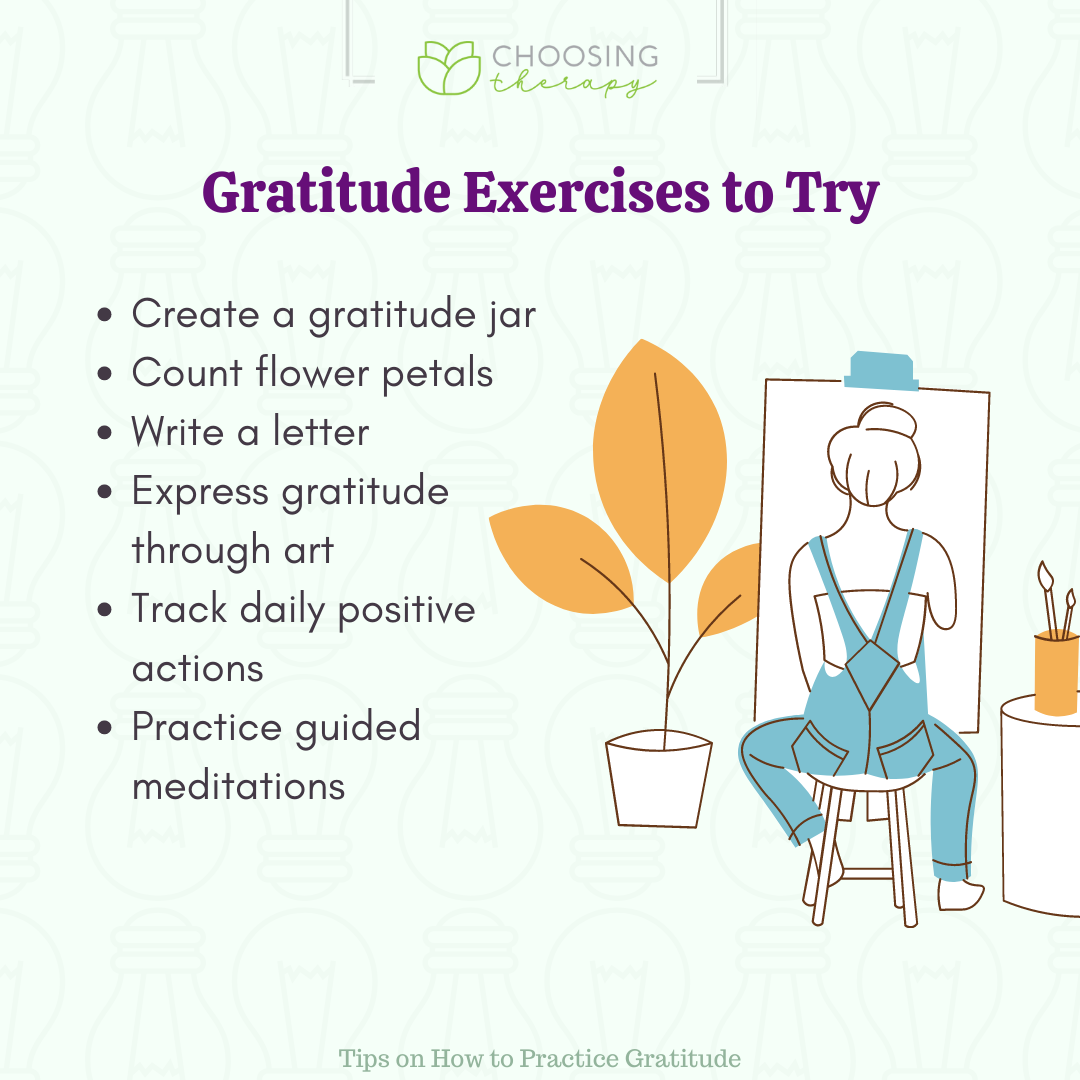
A Short Guided Meditation Script for Gratitude
This short script is designed to help cultivate a sense of gratitude, a powerful emotion that can shift perspective and enhance well-being. Find a comfortable seated position, close your eyes gently if you wish, and take a few deep breaths.”Bring your awareness to your breath, feeling the gentle rise and fall of your chest or abdomen. Now, gently bring to mind something or someone for whom you feel a sense of gratitude.
It could be something simple, like a warm cup of tea, or something more significant, like the support of a loved one. Allow the feeling of gratitude to arise naturally. Notice any sensations in your body as this feeling emerges. If your mind wanders, gently guide it back to this feeling of appreciation. For the next few moments, simply rest in this feeling of gratitude.
When you are ready, gently bring your awareness back to your breath, and then to the room around you. Slowly open your eyes.”
Integrating Mindfulness into Interactions with Others
Mindfulness is not solely an individual practice; it can profoundly transform how we relate to others. By bringing present-moment awareness to our interactions, we can foster deeper connections, improve communication, and navigate conflicts with greater ease.Cultivating mindful communication involves being fully present with the person you are interacting with, listening attentively, and responding with awareness rather than reacting impulsively. This practice enhances empathy and understanding, creating more meaningful relationships.
- Mindful Listening: When someone is speaking, give them your full attention. Try to set aside your own thoughts, judgments, and the urge to formulate your response. Focus on understanding their perspective, noticing their tone of voice, and observing their body language.
- Mindful Speaking: Before you speak, pause and consider your intention. Speak clearly and kindly, choosing words that are truthful and constructive. Be aware of the impact your words might have on the other person.
- Cultivating Empathy: By practicing self-awareness, you can better understand your own emotions. This understanding can then be extended to recognizing and acknowledging the emotions of others, fostering a sense of shared humanity.
- Mindful Conflict Resolution: During disagreements, aim to remain calm and present. Listen to understand the other person’s viewpoint, even if you don’t agree with it. Respond thoughtfully rather than defensively, seeking common ground and solutions.
Concluding Remarks
As we conclude our exploration of “How to Practice Mindfulness for Beginners,” remember that this journey is one of gentle persistence and self-discovery. You’ve learned to anchor yourself in the present, navigate challenges with grace, and integrate mindfulness into every facet of your existence. Continue to nurture this practice with self-compassion, explore its diverse forms, and embrace the profound peace and clarity it brings.
May your mindful path be one of continuous growth and inner harmony.